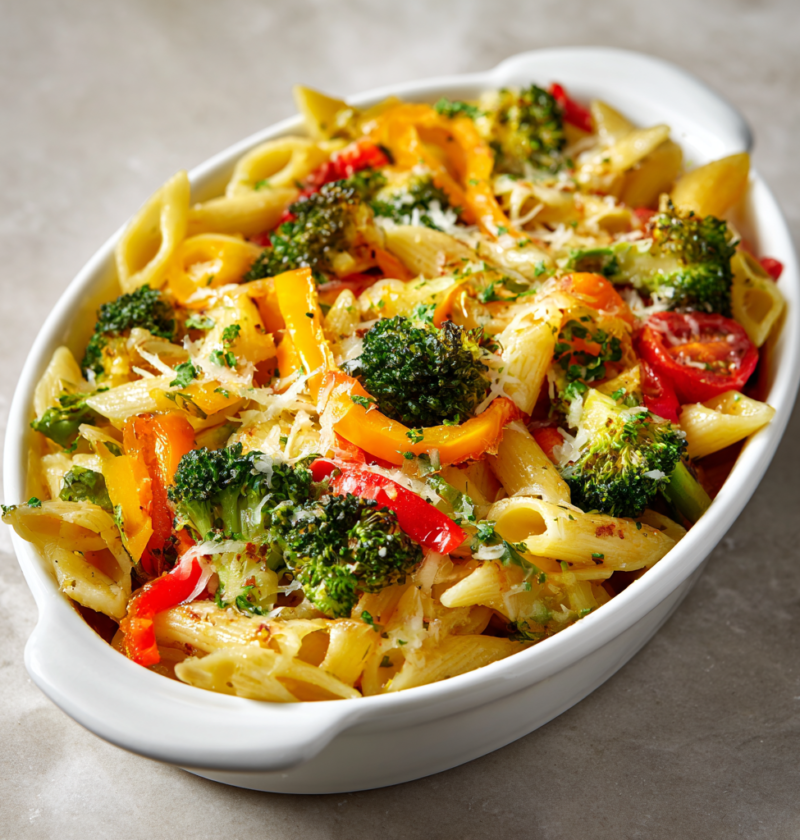
There’s something magical about a plate of Pasta Primavera that brings you right back to those sun-drenched afternoons in Italy, even if you’re cooking in your own kitchen. This beautiful, vibrant dish celebrates fresh vegetables at their peak, tossed together with silky pasta and a light sauce that lets every ingredient shine. What makes this recipe truly special is its simplicity—no complicated techniques or hard-to-find ingredients required. In just thirty minutes, you can create a restaurant-quality meal that tastes like springtime on a plate. Whether you’re cooking for yourself on a busy weeknight or preparing something impressive for dinner guests, this timeless classic delivers comfort and elegance without the stress. The magic lies not in complexity, but in using the freshest vegetables you can find and treating them with respect. Once you master this foundational recipe, you’ll find yourself returning to it again and again, tweaking it with whatever looks best at the farmers market.
Why You’ll Love This Recipe
Next, let me tell you why home cooks absolutely adore making Pasta Primavera. First, it’s incredibly forgiving—there’s no precise timing where everything must come together at exactly the right moment. The vegetables are cooked to tender-crisp perfection, maintaining their natural sweetness and vibrant colors. Additionally, this dish naturally accommodates dietary preferences and ingredient availability. You can use whatever seasonal vegetables you have on hand, making it perfect for using up what’s in your refrigerator. The light olive oil-based sauce complements rather than overshadows the fresh flavors, allowing each vegetable to contribute its own unique character to the final dish. Furthermore, this recipe serves as an excellent canvas for culinary creativity while remaining accessible to beginner cooks.
Ingredients
Serves 4 people
• 1 pound fresh pasta or dried pasta (fettuccine, linguine, or penne work beautifully) • 3 tablespoons extra-virgin olive oil • 4 cloves garlic, minced • 2 medium zucchini, sliced into half-moons • 2 cups fresh broccoli florets • 1 red bell pepper, cut into bite-sized chunks • 1 yellow bell pepper, cut into bite-sized chunks • 1½ cups cherry or grape tomatoes, halved • 1 cup fresh snap peas • ½ cup diced carrots • ½ cup fresh green beans, cut into 1-inch pieces • 4 tablespoons freshly squeezed lemon juice • 3 tablespoons fresh basil, chopped (plus extra for garnish) • 2 tablespoons fresh parsley, chopped • ½ teaspoon red pepper flakes • Salt and black pepper to taste • ½ cup grated Parmesan cheese • 2 tablespoons reserved pasta water • ¼ cup pine nuts, toasted (optional but recommended)
Step-by-Step Instructions
Prepare Your Ingredients
First, gather all your vegetables and prepare them before you begin cooking. Wash and cut the zucchini, broccoli, bell peppers, and snap peas into uniform, bite-sized pieces. This mise en place approach ensures you won’t be frantically chopping while your pasta water boils over. Additionally, mince your garlic fresh—jarred garlic simply won’t deliver the same vibrant flavor this simple dish demands. Toast the pine nuts in a dry skillet over medium heat for about three to four minutes until fragrant, then set them aside. Having everything ready before you start cooking is the professional trick that separates beautiful homemade meals from stressful kitchen disasters.
Cook the Pasta
Bring a large pot of salted water to a rolling boil—the water should taste like the sea. Next, add your pasta and cook according to package directions until al dente, which means it should have a slight firmness when you bite into it. Remember to reserve ½ cup of starchy pasta water before draining; this liquid gold will help bind your sauce beautifully. Drain the pasta but do not rinse it, as the starch on the surface helps the sauce cling to each strand.
Sauté the Vegetables
Meanwhile, heat the olive oil in a large, wide skillet over medium-high heat. Once the oil shimmers and becomes fragrant, add the minced garlic and cook for about thirty seconds, stirring constantly to prevent browning. Immediately add the harder vegetables first—the carrots, broccoli, and green beans—since these require the longest cooking time. Cook these vegetables for about four to five minutes, stirring occasionally, until they begin to soften slightly.
Build the Flavors
Subsequently, add the zucchini, bell peppers, and snap peas to the skillet. Stir well to combine everything evenly, and continue cooking for another three to four minutes. The vegetables should be tender-crisp at this point, with just a hint of firmness remaining. Then add the cherry tomatoes, red pepper flakes, salt, and black pepper. Cook for one more minute, just until the tomatoes begin to release their juices and create a light, natural sauce.
Combine Pasta and Vegetables
Add the cooked, drained pasta directly to the skillet with the vegetables. Pour in the lemon juice and the reserved pasta water, and toss everything together vigorously for about one to two minutes. This gentle tossing helps the starchy pasta water emulsify with the olive oil, creating a light, silky coating that brings all the elements together harmoniously. Next, add the fresh basil and parsley, and toss again. The heat will gently warm the herbs, releasing their aromatic oils without diminishing their fresh flavor.
Finish and Serve
Finally, taste the dish and adjust the seasoning with additional salt, pepper, or lemon juice according to your preference. Remove from heat and transfer to a serving bowl. Sprinkle generously with grated Parmesan cheese and toasted pine nuts if using them. Serve immediately while everything is still warm and the vegetables maintain their vibrant color and crisp texture.
Serving and Storing Tips
Serving Suggestions
This elegant yet approachable dish pairs beautifully with a crisp white wine such as Pinot Grigio or Sauvignon Blanc, which complements the fresh vegetables wonderfully. Serve it alongside crusty garlic bread to soak up any remaining sauce, or pair it with a simple green salad tossed with a light vinaigrette for a more complete meal. Additionally, consider serving it at room temperature as a make-ahead pasta salad for picnics or potlucks—simply refrigerate and bring to room temperature before serving, adding a splash of fresh lemon juice just before guests arrive. For special occasions, plate individual portions and add a generous shaving of fresh Parmesan with a basil leaf on top for restaurant-style presentation.
Storage and Reheating Tips
Store any leftovers in an airtight container in the refrigerator for up to three days. To reheat, place the pasta in a skillet over medium heat with a splash of water or broth, stirring gently until warmed through—this method preserves the texture better than microwaving. Alternatively, you can enjoy leftovers cold or at room temperature as a pasta salad the next day, drizzling with a bit more fresh lemon juice and olive oil to refresh the flavors. However, this dish is truly best enjoyed fresh, so plan to serve it the same day you prepare it for optimal flavor and texture. Freezing is not recommended as the vegetables will lose their pleasant crisp-tender texture and vibrant appearance.
Helpful Notes and Tips
Ingredient Substitutions and Flexibility
One of the beautiful aspects of this recipe is its adaptability to whatever you have available. Next, consider these substitutions based on your preferences or what’s in your kitchen. If fresh basil is unavailable, dried basil works in a pinch—use one-third the amount since dried herbs are more concentrated. For a different flavor profile, try fresh mint or oregano instead of basil. Additionally, if you don’t have pine nuts, substitute with toasted walnuts, almonds, or sunflower seeds for a similar textural element.
Vegetable Variations
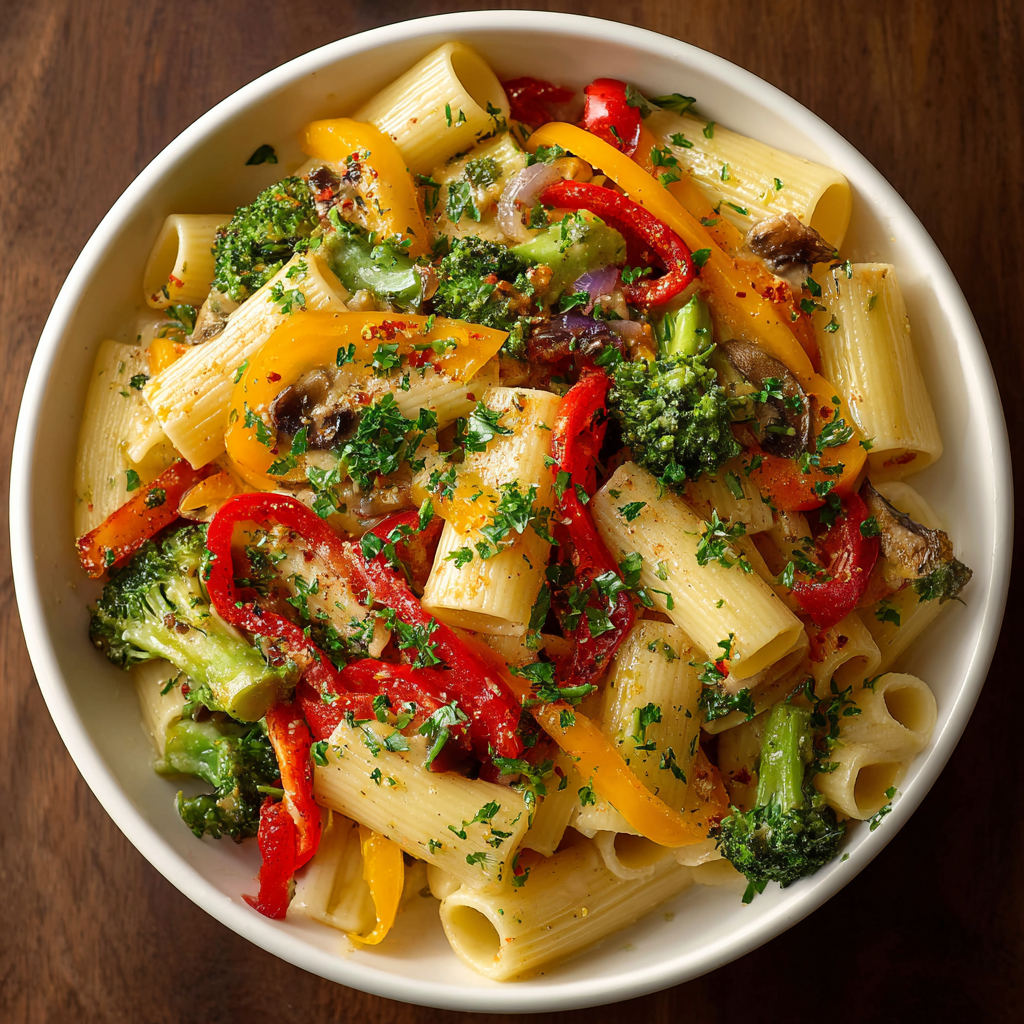
Feel free to swap vegetables based on the season and what looks freshest at your market. In summer, add fresh corn kernels, diced eggplant, or summer squash. During fall and winter months, consider roasted Brussels sprouts, mushrooms, or diced butternut squash—though these may require slightly longer cooking times. Furthermore, if certain vegetables aren’t family favorites, simply replace them with alternatives you enjoy. The goal is a colorful, nutritious plate that makes you happy.
Time-Saving Tips
To streamline preparation, purchase pre-cut vegetables from the salad bar if your budget allows, though fresh-cut vegetables from your own knife will taste superior. Additionally, you can prepare all your vegetables the morning of and store them in airtight containers in your refrigerator. Using fresh pasta instead of dried will reduce your total cooking time from thirty minutes to just fifteen, making this an excellent option for truly hectic evenings.
Common Mistakes to Avoid
One frequent error is overcooking the vegetables until they become mushy and lose their appealing texture and bright colors—remember that they continue cooking slightly even after you remove them from heat. Another common mistake involves skipping the pasta water reservation, which makes it nearly impossible to create that beautiful silky sauce that binds everything together. Additionally, don’t be tempted to use bottled minced garlic or pre-made sauce, as these diminish the fresh, vibrant character that makes this dish special. Finally, avoid the urge to add heavy cream or butter; this dish shines precisely because it’s light and lets the vegetables take center stage.
Chef Tips for Excellence
First, the secret to restaurant-quality results lies in achieving proper heat on your vegetables—medium-high heat ensures they cook through while maintaining their structural integrity and vibrant color. Second, always taste and adjust seasoning at the very end; the Parmesan adds saltiness, so initial seasoning should be conservative.
Frequently Asked Questions
Can I make this recipe ahead of time? Yes, you can prepare all your vegetables earlier in the day, but cook the dish fresh just before serving for the best texture and flavor. The pasta becomes mushy if left sitting in sauce for extended periods.
What if I’m vegetarian or vegan? This recipe is naturally vegetarian; simply omit the Parmesan or replace it with nutritional yeast for a vegan version that maintains wonderful umami flavor.
How do I reheat leftover Pasta Primavera? Gently reheat in a skillet over medium heat with a splash of water or vegetable broth, stirring occasionally until warmed through, which takes about five minutes.
Can I use frozen vegetables instead of fresh? Frozen vegetables work in a pinch, though they won’t provide the same crisp texture and vibrant appearance—thaw them first and pat dry to remove excess moisture.
What type of pasta works best for this recipe? Long, thin pasta shapes like fettuccine or linguine work beautifully, though shorter shapes like penne also work well; simply avoid very thick pasta that overshadows the delicate vegetables.
Conclusion
Pasta Primavera represents everything wonderful about simple, seasonal cooking—it celebrates fresh ingredients without unnecessary complexity, delivering impressive results that feel both comforting and sophisticated. This recipe has earned its place as a beloved classic because it works beautifully every single time you make it, adapting gracefully to whatever your kitchen and market offer. Whether you’re cooking dinner for your family after a long day or preparing an elegant meal for friends, this dish delivers reliable, delicious results. The combination of tender-crisp vegetables, silky pasta, and bright flavors creates something that tastes far more complicated than the minimal effort required.
Now that you have the complete guide to making perfect Pasta Primavera at home, I’d love to hear from you! Did you try this recipe? How did it turn out? Please save this recipe to your collection, pin it to your favorite Pinterest board, and share it with friends and family who love fresh, wholesome cooking. Your feedback and shares inspire us to keep developing more delicious recipes that bring joy to kitchens everywhere. Tag us on social media with your beautiful Pasta Primavera creations—we absolutely love seeing your culinary successes!