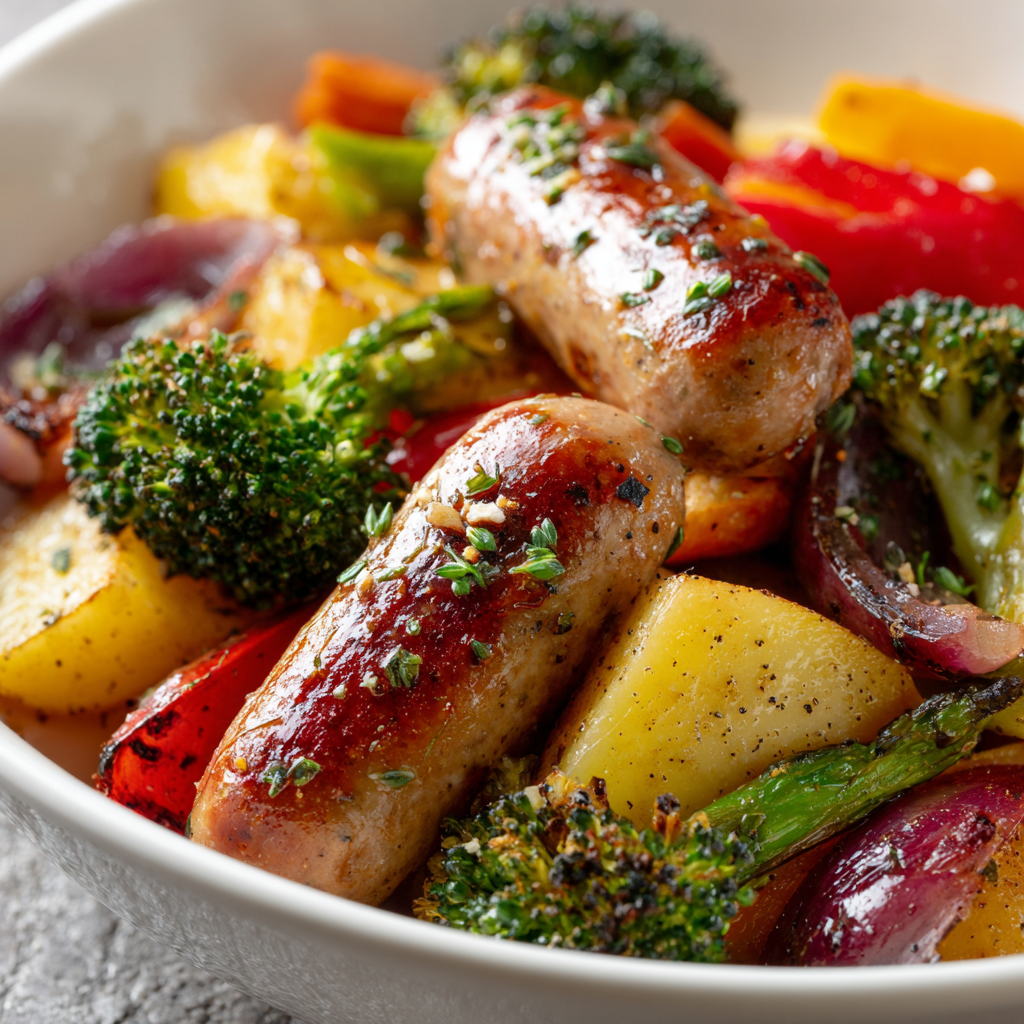
There’s something wonderfully liberating about preparing an entire complete dinner on a single sheet pan, transforming cooking from a complicated multi-step process into something genuinely manageable and stress-free. First, this sheet pan sausage and vegetables recipe represents the perfect solution for busy cooks seeking satisfying, one-pan meals that taste genuinely delicious without requiring multiple cooking vessels or complicated timing. The beauty of this recipe lies in how vegetables and sausage cook together, allowing flavors to meld while creating a cohesive dish requiring minimal attention once in the oven. What makes this dish truly special is how simple ingredient combinations and proper seasoning create restaurant-quality results through straightforward sheet pan technique that encourages confidence in home cooks. Additionally, this one-pan meal works beautifully for weeknight dinners, meal prep batches, entertaining options, or anyone seeking healthy, satisfying meals requiring minimal cleanup and maximum flavor impact. Whether you’re preparing it specifically for casual family dinners or making it regularly as go-to weeknight solution, the result remains the same—absolutely delicious, complete meals that disappear faster than you can serve them. The combination of savory sausage, roasted vegetables, and aromatic seasonings creates irresistible dinners that appeal to everyone from picky eaters to devoted food lovers seeking something genuinely special and entirely achievable.
Ingredients
Serves 4-6
- 1½ pounds Italian sausage links (hot, mild, or combination)
- 2 large bell peppers (any color), diced into 1-inch pieces
- 1 large yellow onion, diced into 1-inch pieces
- 8 ounces mushrooms, halved or quartered
- 3 medium zucchini, diced into 1-inch pieces
- 3 cloves garlic, minced
- 3 tablespoons olive oil
- 1 teaspoon dried Italian seasoning
- ½ teaspoon dried oregano
- ½ teaspoon dried basil
- ¼ teaspoon red pepper flakes (optional, for heat)
- 1 teaspoon sea salt, plus more to taste
- ½ teaspoon black pepper
- Optional: ¼ teaspoon smoked paprika for depth
- ½ cup diced tomatoes (fresh or canned)
- 2 tablespoons balsamic vinegar
- Fresh parsley, chopped (for garnish)
- Optional toppings: shredded Parmesan cheese, fresh basil, crushed red pepper
Understanding Sheet Pan Cooking Principles
Creating successful sheet pan meals requires understanding how ingredients cook together at different rates while developing integrated flavors. Next, using appropriately sized vegetables ensures they cook at similar rates to the sausage. Additionally, proper seasoning and oil distribution creates flavorful results without requiring constant stirring. Meanwhile, higher oven temperature allows browning and caramelization that develops complex flavors impossible through gentle cooking.
Step-by-Step Instructions
- Preheat your oven to 400°F and position the rack to the center, allowing proper heat circulation around all ingredients during roasting. Subsequently, line a large sheet pan or two medium sheet pans with aluminum foil for easy cleanup.
- Arrange Italian sausage links on your prepared sheet pan, spacing them evenly with adequate room around each link for vegetables to surround them. First, proper spacing allows sausage to brown beautifully while vegetables roast around it. Additionally, avoid crowding which causes steaming rather than browning.
- In a large mixing bowl, combine diced bell peppers, yellow onion, mushrooms, zucchini, and minced garlic, tossing to combine evenly. Subsequently, these vegetables should be cut into relatively uniform pieces ensuring even cooking throughout roasting.
- Drizzle the prepared vegetables with olive oil, then sprinkle with dried Italian seasoning, dried oregano, dried basil, optional red pepper flakes, sea salt, black pepper, and optional smoked paprika. Next, toss the vegetables thoroughly ensuring all pieces receive adequate seasoning and oil coating.
- Distribute the seasoned vegetables evenly around the sausage links on the sheet pan, creating balanced arrangement with vegetables surrounding and beneath the sausage. First, proper distribution ensures sausage and vegetables cook together creating integrated flavors. Additionally, vegetables benefit from sausage fat dripping onto them during cooking.
- Place the loaded sheet pan in your preheated 400°F oven and roast for 20-25 minutes, stirring the vegetables halfway through cooking to ensure even browning. First, the sausage should develop golden-brown exterior while the vegetables begin softening. Subsequently, halfway stirring prevents bottom burning while ensuring even cooking.
- After the initial 20-25 minutes, check the sausage for doneness by inserting an instant-read thermometer into the thickest part, ensuring it reaches 160°F internal temperature. Additionally, vegetables should be tender with slightly caramelized edges at this point.
- If sausage hasn’t reached 160°F, return the sheet pan to the oven for an additional 5-10 minutes until fully cooked. Meanwhile, most sausage links reach proper temperature within 25 minutes of roasting at this temperature.
- Remove the sheet pan from the oven and scatter the diced tomatoes and fresh basil across the top if desired, or reserve for adding afterward. First, adding at the end preserves their fresher flavor. Subsequently, some prefer incorporating fresh vegetables at serving rather than during cooking.
- Drizzle the balsamic vinegar evenly across the entire sheet pan, tossing gently to distribute throughout sausage and vegetables. Additionally, the acidity brightens the dish and prevents it from tasting overly rich or one-dimensional.
- Taste the sausage and vegetables, adjusting seasonings with additional salt, pepper, or herbs as desired according to personal preferences. Subsequently, different sausage varieties require different seasoning adjustments; taste before final serving.
- Transfer the roasted sausage and vegetables to a serving platter or serve directly from the sheet pan for casual presentation. First, serving directly from the pan maintains warmth and creates relaxed, inviting presentation. Additionally, this approach minimizes additional dishes requiring washing.
- Garnish with freshly chopped parsley, optional shredded Parmesan cheese, optional fresh basil, and optional crushed red pepper for additional flavor complexity and visual appeal. Meanwhile, these garnishes allow guests to customize final flavor intensity.
- Serve immediately while the sausage and vegetables remain hot and all components achieve optimal temperature and flavor development. First, serving promptly ensures guests experience the dish at its finest. Subsequently, hot meals provide satisfaction difficult to achieve with cooled versions.
Mastering Sheet Pan Cooking Efficiency
Understanding how to manage sheet pan cooking prevents common mistakes while maximizing flavor development through proper technique. Next, arranging ingredients strategically ensures everything finishes cooking simultaneously without requiring scattered completion times. Meanwhile, using appropriately sized vegetables and protein pieces creates even cooking throughout. Additionally, proper seasoning before cooking allows flavors to develop during roasting rather than requiring adjustment afterward.
Serving and Storing Tips
Serving Suggestions
Serve your sheet pan sausage and vegetables hot directly from the oven or sheet pan, allowing natural aromas to build anticipation. First, presenting the entire sheet pan acknowledges the simplicity and beauty of one-pan cooking. Additionally, pairing with crusty bread, pasta, or rice creates satisfying complete meal experience. Meanwhile, this one-pan dish works beautifully for casual family dinners, entertaining guests, weeknight meals, or even meal prep because its satisfying nature suits any occasion.
The versatility means this dish suits virtually any occasion from quiet family moments to entertaining because it delivers satisfying nutrition and genuine convenience. Subsequently, the minimal cleanup appeals to busy cooks. Furthermore, this meal travels beautifully in containers, making it perfect for work lunches or reheated dinners.
Storage Tips
Store leftover sausage and vegetables in airtight containers in the refrigerator for up to 3 days, keeping them fresh and flavorful without drying out. However, the dish tastes best consumed within 1-2 days while flavors remain vibrant. Subsequently, individual portions can be reheated in the microwave for 1-2 minutes until warm, or in a skillet over medium heat with occasional stirring. Alternatively, portions can be added to pasta, rice, or other grains for additional meal options.
To freeze, transfer cooled sausage and vegetables to freezer-safe containers for up to three months, allowing convenient future meals. Additionally, thaw overnight in the refrigerator and reheat gently on the stovetop over medium heat, stirring occasionally, or reheat directly in the microwave. Furthermore, frozen meal maintains quality beautifully, making it perfect for advance meal preparation.
Helpful Notes and Variations
Ingredient substitutions ensure this recipe adapts to whatever you have available in your kitchen and pantry while maintaining delicious, satisfying results. Next, if you lack specific vegetables, substitute any fresh vegetables you enjoy—asparagus, green beans, Brussels sprouts, or squash work beautifully. Meanwhile, those preferring different sausage can substitute chicken sausage, turkey sausage, or even plant-based sausage for traditional pork versions. Additionally, if you dislike certain herbs, simply omit them or replace with favorites like thyme or rosemary.
The vegetable selection can be customized based on seasonal availability and personal preferences. For those preferring heartier vegetables, add diced sweet potatoes or regular potatoes requiring slightly longer cooking time. In contrast, those preferring lighter versions can focus on green vegetables like broccoli or green beans. Subsequently, cherry tomatoes can replace diced tomatoes for sweeter alternative. Furthermore, adding fresh vegetables like spinach or kale at the very end of cooking preserves their vibrant color and nutrition.
Common mistakes occur when vegetables are cut too large, requiring extended cooking time preventing proper caramelization. Instead, cut vegetables into uniform 1-inch pieces ensuring even cooking throughout. Additionally, overcrowding the pan causes steaming rather than roasting; use two sheet pans if necessary rather than piling ingredients excessively. Furthermore, failing to stir vegetables halfway through prevents even browning creating some overcooked pieces while others remain underdone.
Chef Tips for Exceptional Results
First, cutting vegetables uniformly ensures everything cooks at similar rates preventing some pieces from burning while others remain firm. Subsequently, using a meat thermometer confirms sausage doneness preventing undercooking while avoiding excessive drying from overcooking.
Frequently Asked Questions
Can I prepare this ahead and roast later? Yes, assemble the sheet pan several hours ahead, cover, refrigerate, then add 5-10 extra minutes to baking time.
What if my vegetables are too soft or mushy? This indicates overcooking; reduce baking time by 5 minutes next time or use larger vegetable pieces that cook slower.
Can I use pre-cooked sausage? Yes, use pre-cooked sausage and reduce baking time to approximately 15 minutes; it primarily needs warming rather than cooking.
Do I need to flip the sausage during cooking? Flipping halfway through promotes even browning; your choice determines final appearance and cooking consistency.
Can I add cheese directly to the pan while cooking? Yes, sprinkle cheese during final 5 minutes of cooking allowing it to melt without burning; avoid adding too early.
Exploring Flavor Variations
This foundational sheet pan recipe welcomes numerous creative interpretations based on seasonal vegetables and personal preferences. Next, Mediterranean variations using kalamata olives, sun-dried tomatoes, and feta cheese create distinctly different flavor profiles. Meanwhile, Asian-inspired versions using ginger, soy sauce, and sesame oil celebrate different culinary traditions beautifully. Additionally, Mexican-inspired variations using cilantro, lime juice, and chili powder create vibrant alternatives.
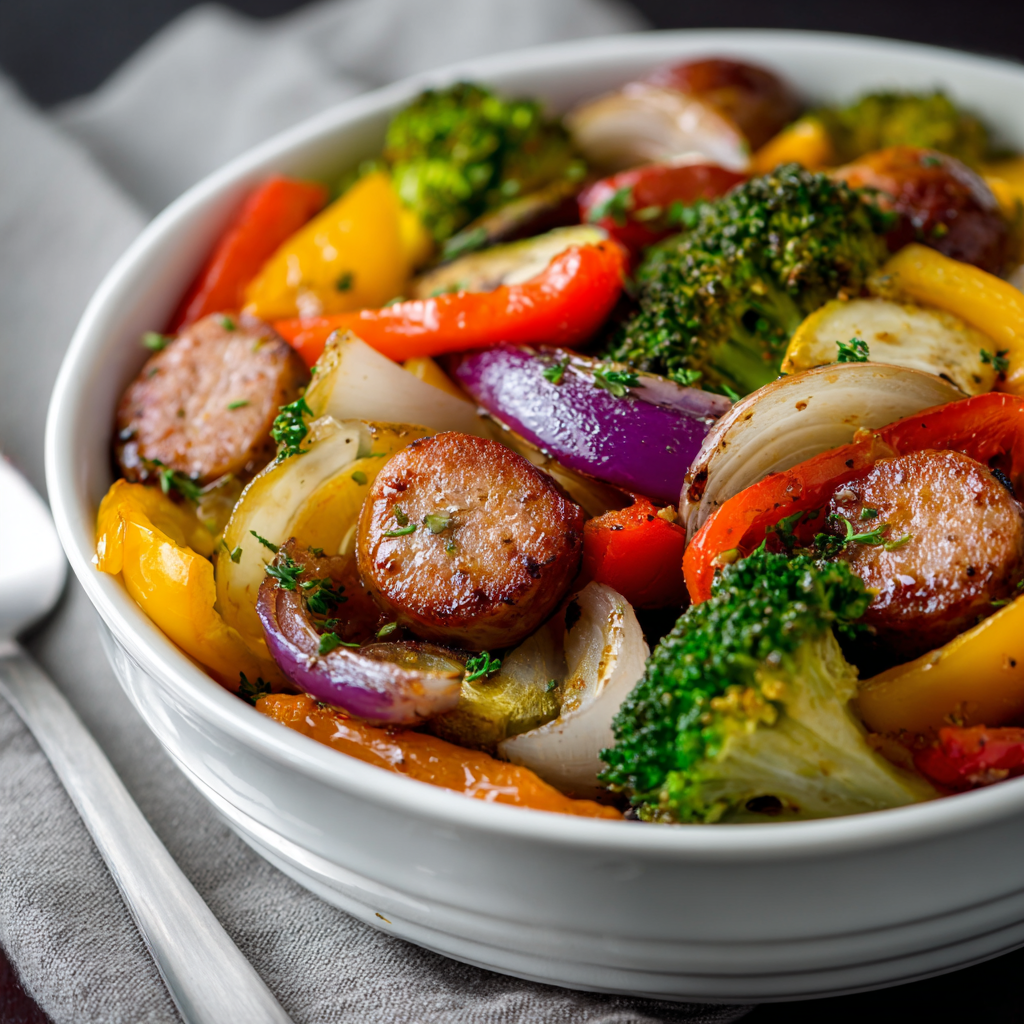
The beauty of sheet pan cooking lies in its adaptability to whatever flavors and ingredients inspire your creativity. First, consider your favorite flavor combinations and build variations around sausage and vegetable base. Subsequently, experimenting with different seasonings, vegetables, and finishing touches keeps this simple recipe fresh and exciting.
Understanding Sheet Pan Appeal
Recognizing why sheet pan meals command devoted following removes any concern that one-pan cooking produces inferior results. First, sheet pan cooking concentrates flavors as ingredients roast together creating deeply integrated taste. Subsequently, minimal cleanup appeals to busy cooks seeking efficiency. Additionally, proper seasoning and technique create genuinely delicious results rivaling complicated multi-step recipes.
Building a Sheet Pan Dining Experience
Creating memorable meal experiences transforms simple dinners into moments worth savoring and sharing. First, present the sheet pan with steaming sausage and vegetables, allowing aromas to build anticipation. Subsequently, encouraging customization through fresh garnishes creates investment in the meal beyond passive consumption. Additionally, serving directly from the pan creates casual, welcoming atmosphere.
Making Sheet Pan Meals Your Weeknight Solution
Understanding why sheet pan meals deserve regular rotation into your weeknight dinner repertoire removes hesitation about dedicating time to this approach. First, properly executed sheet pan meals deliver genuine satisfaction rivaling complicated multi-step recipes. Subsequently, the minimal cleanup proves genuinely valuable during busy weeknights. Additionally, knowing that this meal appeals to diverse palates means you’ll make it regularly.
Mastering Sheet Pan Cooking Consistency
Proper cooking technique ensures each serving delivers ideal texture with properly browned sausage and caramelized vegetables. First, proper oven temperature creates browning essential for flavor development. Subsequently, uniform vegetable sizing ensures even cooking without some pieces burning while others remain firm. Additionally, strategic stirring prevents sticking while promoting even heat exposure.
The technique improves with practice, but even your first attempts will likely succeed because sheet pan cooking is forgiving. Next, understanding that your specific oven may vary allows minor time adjustments. Meanwhile, recognizing that slight variations add character removes anxiety about perfection.
Customizing for Dietary Preferences
This sheet pan meal adapts beautifully to various dietary approaches including gluten-free, dairy-free, and plant-based preferences. Next, using gluten-free sausage or plant-based sausage accommodates various dietary needs. Meanwhile, naturally gluten-free vegetables suit all approaches. Additionally, the recipe accommodates numerous health-conscious modifications.
The flexibility means this meal suits virtually any dietary approach family members navigate. First, focus on maintaining flavors, satisfying heartiness, and proper cooking regardless of specific substitutions. Subsequently, providing alternative protein options ensures all family members enjoy equally.
Conclusion
Your Sheet Pan Sausage and Vegetables Recipe awaits creation, ready to become your new go-to weeknight solution combining satisfying protein with wholesome vegetables in genuinely convenient format. This recipe delivers complete meals through straightforward preparation requiring minimal active cooking time and virtually no cleanup stress. Through proper ingredient selection, strategic arrangement, and careful timing, you’ll create dinners satisfying serious appetites while leaving you energized. Gather your ingredients, follow these steps methodically, and prepare yourself for how delicious, convenient, and genuinely satisfying this sheet pan meal becomes.
Did you love this Sheet Pan Sausage and Vegetables Recipe? Please save this recipe to your collection, pin it to your Pinterest board, and share it with friends and family who need satisfying weeknight meals requiring minimal cleanup and maximum flavor. Your support means everything and encourages us to keep creating more accessible, delicious recipes that bring convenience, nutrition, and joy to your kitchen!