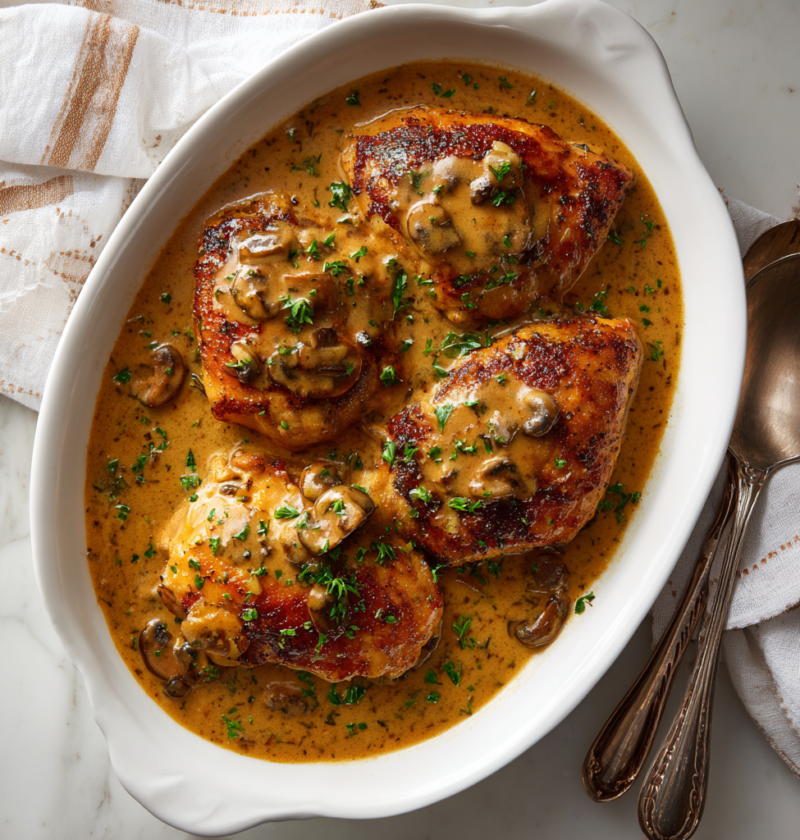
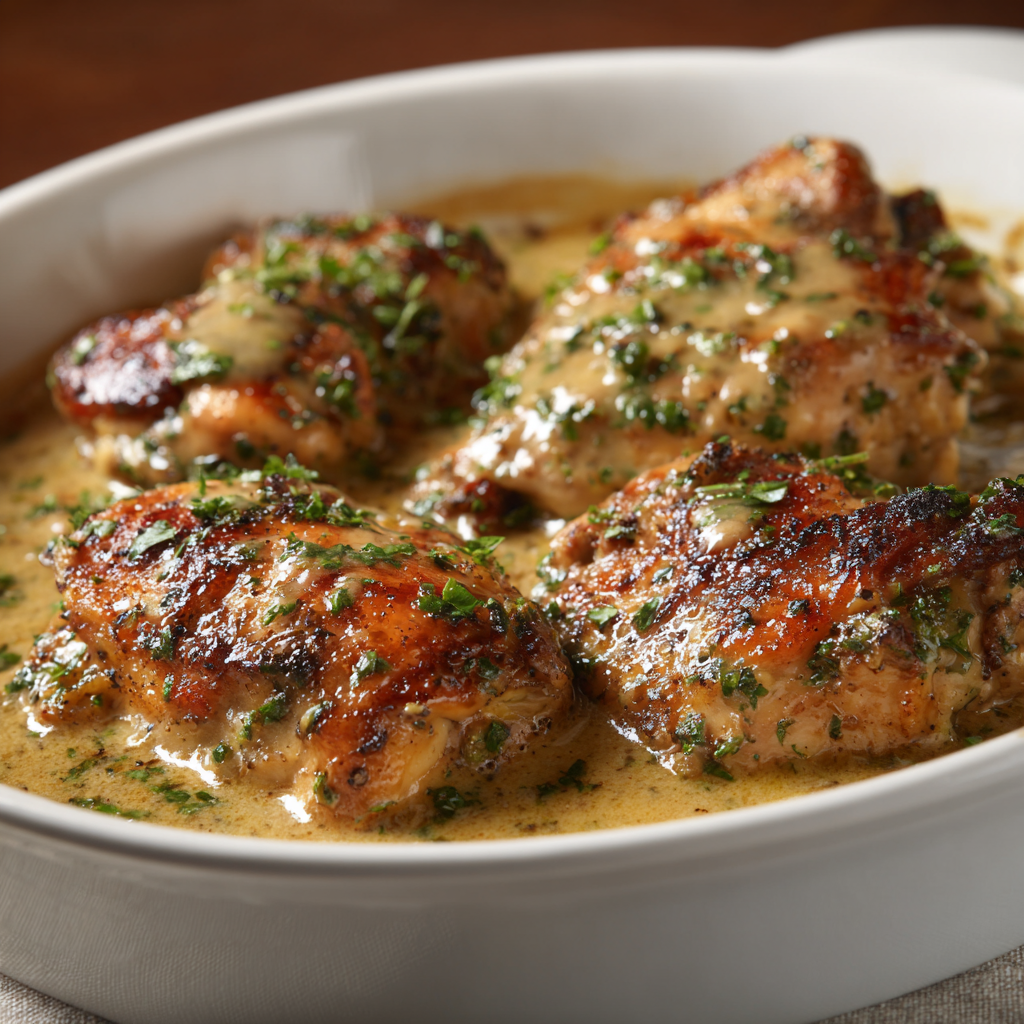
There’s something undeniably comforting about tender, golden-brown chicken finished with a rich, savory gravy that clings to every bite and transports you straight to your grandmother’s kitchen. First time I made skillet chicken with gravy using quality techniques instead of relying on canned soup or boxed mixes, I was struck by how dramatically superior the flavors taste when you build the gravy from scratch using the flavorful pan drippings. The beauty of this classic comfort food lies in its remarkable simplicity: just quality chicken, proper browning, and a few pantry staples transform into something genuinely extraordinary that feels warm, welcoming, and deeply satisfying. Additionally, this recipe proves that authentic home cooking doesn’t require fancy ingredients or complicated techniques; straightforward methods and careful attention to flavor development create results that taste far more impressive than the minimal effort involved. Whether you’re cooking a cozy family dinner, preparing comfort food for someone you love, meal prepping for busy weeks ahead, or simply craving something warm and deeply nourishing, this skillet chicken with gravy delivers classic flavors that never go out of style and satisfy everyone at the table.
Ingredients
This recipe makes 4 to 6 servings.
• 2 pounds bone-in, skin-on chicken thighs and drumsticks (about 8 pieces total) • 3 tablespoons unsalted butter • 2 tablespoons olive oil • 1 medium yellow onion, diced • 3 cloves fresh garlic, minced • 2 medium carrots, peeled and sliced into coins • 1 cup sliced mushrooms (cremini or button mushrooms) • 3 tablespoons all-purpose flour • 1.5 cups chicken broth • 1/2 cup heavy cream or half-and-half • 1/4 cup dry white wine or additional chicken broth • 1 teaspoon kosher salt • 1/2 teaspoon black pepper • 1/2 teaspoon garlic powder • 1/4 teaspoon white pepper (optional, for smoother flavor) • 1/2 teaspoon dried thyme • 1/2 teaspoon dried rosemary • 1/4 teaspoon paprika • 2 bay leaves • 1 tablespoon fresh lemon juice • 1 teaspoon Dijon mustard • 1/2 teaspoon honey or sugar (optional, for balance) • 1/2 cup frozen peas (optional, for added vegetables) • 3 tablespoons fresh parsley, finely chopped • 2 tablespoons fresh chives, finely chopped (optional) • Zest of 1 lemon
Step-by-Step Instructions
Preparing Your Ingredients and Chicken
- Pat the chicken pieces completely dry using paper towels, ensuring every surface is moisture-free—this is absolutely crucial for crispy, golden-brown skin.
- In a small bowl, combine the kosher salt, black pepper, garlic powder, white pepper, dried thyme, dried rosemary, and paprika.
- Season all the chicken pieces generously with the spice mixture, distributing it evenly across both sides and ensuring complete coverage.
- Slice the carrots into uniform coin-shaped pieces about 1/4-inch thick so they cook evenly throughout.
- Dice the onion and mince the garlic, setting them aside in separate bowls for quick assembly.
- Slice the mushrooms into uniform pieces about 1/4-inch thick for even cooking and consistent texture.
Browning the Chicken for Depth of Flavor
- Heat the butter and olive oil in a large skillet over medium-high heat until the butter foams and just starts to brown slightly.
- Carefully place the seasoned chicken pieces into the hot skillet, arranging them skin-side down without overlapping if possible.
- Cook the chicken for 6-7 minutes on the first side without moving them around, allowing the skin to become deeply golden and crispy.
- Flip each piece using tongs and cook the other side for another 4-5 minutes until light golden brown—the chicken doesn’t need to be fully cooked yet.
- Transfer the browned chicken to a plate momentarily, leaving the flavorful drippings in the skillet.
Building the Vegetable and Flavor Base
- Add the diced onion to the same skillet and sauté for about 3-4 minutes, stirring occasionally until it becomes soft and translucent.
- Stir in the minced garlic and cook for approximately 1 minute until fragrant and light golden, being careful not to burn it.
- Add the sliced carrots and mushrooms to the skillet, stirring gently to combine with the aromatic base.
- Cook the vegetables for 4-5 minutes, stirring occasionally, allowing them to release their moisture and begin to soften.
Creating the Rich Gravy Base
- Sprinkle the flour evenly over the vegetables and stir thoroughly, coating everything and creating a thick paste.
- Cook this flour mixture for about 2 minutes, stirring constantly, which helps eliminate the raw flour taste while creating a proper roux base.
- Pour in the white wine and use a wooden spoon to gently scrape up any browned bits stuck to the bottom of the pan—these flavorful bits are liquid gold.
- Allow the wine to simmer gently for about 1 minute, which helps reduce the alcohol content and concentrate the flavors.
- Gradually pour in the chicken broth while stirring constantly to prevent lumps from forming in the gravy.
- Continue stirring until the gravy is completely smooth and beginning to thicken, which typically takes 3-4 minutes.
- Add the bay leaves and stir gently to distribute them evenly throughout the gravy.
Perfecting the Gravy and Bringing It Together
- Return the browned chicken pieces to the skillet, nestling them into the gravy so they’re partially submerged.
- Bring the gravy to a gentle simmer over medium heat, then immediately reduce to medium-low to maintain steady, gentle heat.
- Cook for 15-20 minutes, stirring occasionally, allowing the chicken to finish cooking through and flavors to meld together beautifully.
- After 15 minutes, check that the chicken has reached an internal temperature of 165°F (74°C) using an instant-read thermometer.
- Remove the skillet from the heat momentarily while you adjust the gravy consistency and seasonings.
- If the gravy seems too thick, gradually stir in additional chicken broth a tablespoon at a time until you reach your desired consistency.
- If the gravy seems too thin, mix 1 tablespoon of cornstarch with 2 tablespoons of water, then stir it into the warm gravy and cook for 1-2 minutes.
- Pour in the heavy cream or half-and-half, stirring gently to incorporate and creating a richer, more luxurious gravy.
- Add the fresh lemon juice and Dijon mustard, stirring gently to incorporate and creating perfectly balanced flavors.
- If using frozen peas, add them now and stir gently—they’ll warm through quickly in the hot gravy.
- Just a touch of honey can be added if the gravy tastes slightly too savory—stir gently and taste frequently.
- Taste the gravy and adjust seasonings with additional salt, pepper, or lemon juice as needed for proper balance.
- Remove and discard the bay leaves from the skillet.
Final Presentation
- Transfer the skillet chicken to a serving platter or individual plates, arranging the pieces attractively.
- Spoon the rich, savory gravy generously over and around each chicken piece, ensuring that the vegetables and aromatic flavors coat everything.
- Sprinkle the fresh parsley and chives over the top just before serving for brightness and fresh herbal notes.
- Add a light sprinkle of lemon zest over the entire dish, which provides subtle brightness that complements the rich, savory gravy beautifully.
Serving and Storing Tips
How to Serve This Classic Comfort Dish
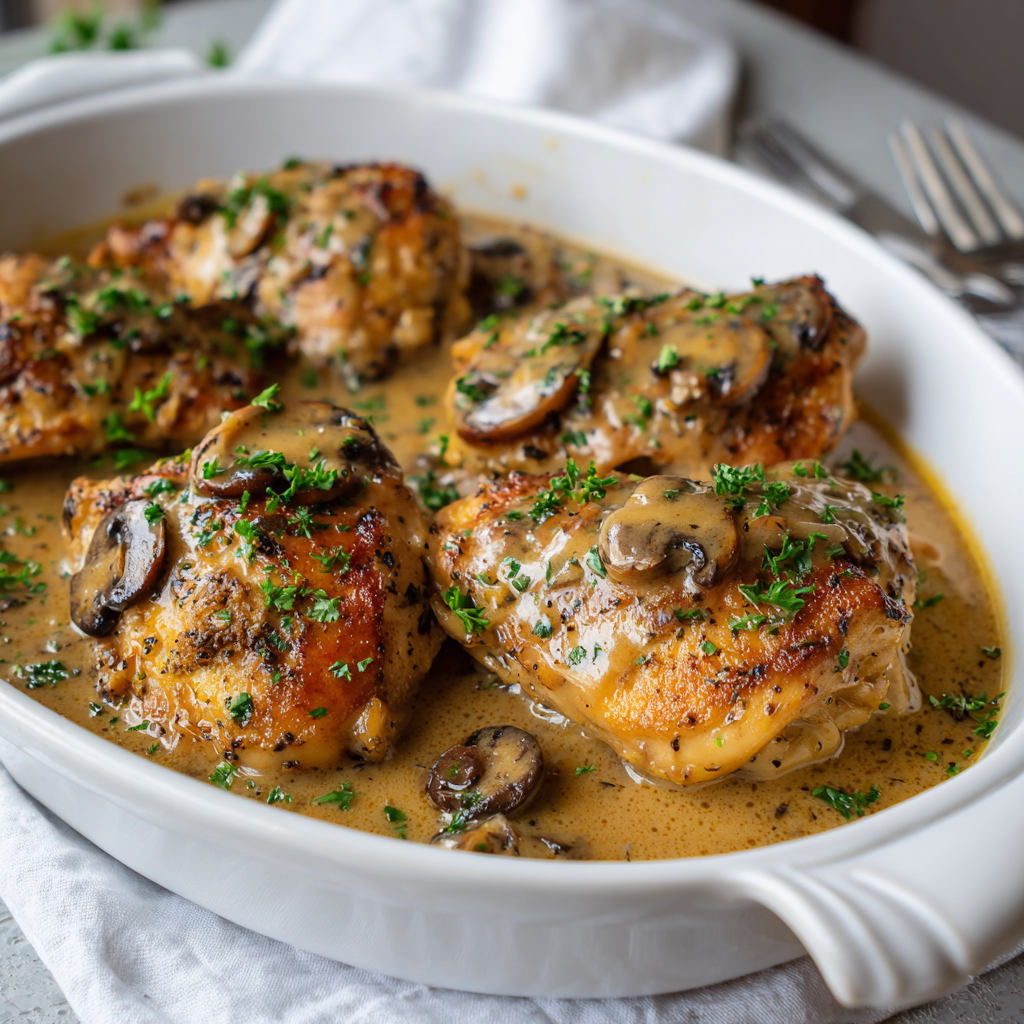
This skillet chicken with gravy is excellent served alongside mashed potatoes, rice, egg noodles, or crusty bread for soaking up the incredible savory gravy. However, if you prefer different accompaniments, consider pairing it with roasted potatoes, cauliflower mash, or polenta for different textures and flavor experiences. Next, fresh vegetables like roasted asparagus, steamed broccoli, sautéed green beans, or roasted Brussels sprouts provide wonderful textural contrast and additional nutrition without overwhelming the classic, comforting flavors. Additionally, a simple green salad dressed in light vinaigrette works beautifully alongside this dish for cutting through the richness of the gravy. For a more substantial presentation, serve alongside buttered egg noodles or creamy mashed potatoes for maximum comfort and satisfaction. A light red wine like Pinot Noir or even a crisp white wine like Sauvignon Blanc pairs beautifully with the savory chicken and rich gravy flavors.
Storing Your Leftovers Properly
Store any leftover skillet chicken with gravy in an airtight container in the refrigerator for up to 3 days, keeping it completely covered to prevent the gravy from drying out or developing off-flavors. To reheat, place the chicken and gravy in a skillet over medium-low heat, stirring occasionally and adding a splash of chicken broth if the gravy has thickened too much—this gentle stovetop method preserves the texture beautifully. Alternatively, microwave individual portions in a microwave-safe container for 1-2 minutes, stirring halfway through, though the stovetop method produces noticeably superior results. For freezing, let the chicken and gravy cool completely before transferring to a freezer-safe container or zip-top bag for up to 2 months. Thaw frozen portions overnight in the refrigerator and reheat gently on the stovetop over medium-low heat, adding additional chicken broth if needed to restore the gravy to its original consistency and richness.
Helpful Tips and Tricks
Ingredient Substitutions and Variations
If you don’t have heavy cream, substitute with half-and-half or even whole milk though the gravy won’t be quite as luxurious and rich. Swap the mushroom variety—cremini, portobello, oyster, or shiitake mushrooms all work beautifully and provide different flavor depths. For a lighter version, simply omit the cream and use additional chicken broth to create a lighter, brothier gravy. Fresh herbs can be replaced with dried herbs at half the quantity, though fresh herbs provide noticeably more vibrant, aromatic flavor and visual appeal. Consider adding different vegetables like celery, bell peppers, parsnips, or peas to the gravy for additional flavor complexity and nutrition. For a spicier version, add a pinch of cayenne pepper or a dash of hot sauce to the finished gravy for extra heat and depth.
Common Mistakes to Avoid
Many home cooks skip browning the chicken properly, which misses the opportunity to develop crucial flavor through the Maillard reaction—proper browning takes time and shouldn’t be rushed. Don’t skip making the roux with flour; this creates the proper gravy base and prevents the sauce from becoming too thin or watery. Another common mistake is not cooking the flour mixture long enough; at least 2 minutes helps eliminate the raw flour taste that can linger. Adding too much cream can overwhelm the savory gravy flavors—use just enough to enrich without making it taste too heavy. Finally, overcooking the chicken can result in dry meat; check temperature at 15 minutes and remove from heat promptly once it reaches 165°F.
Time-Saving Strategies
Prepare your minced garlic, diced onion, and sliced vegetables the night before, storing them separately in the refrigerator for quick assembly. Use boneless, skinless chicken thighs instead of bone-in pieces, which cook faster and eliminate the need for longer simmering time. Consider using pre-sliced mushrooms and baby carrots from the grocery store, which save significant prep time on busy evenings. Another useful tip is cooking the chicken and gravy the night before, then simply reheating gently on the stovetop while preparing side dishes. Pre-measure all your seasonings and flour into a small bowl the night before, making the cooking process require only quick, efficient steps.
Chef Tips for Perfect Results
The secret to incredibly flavorful chicken with gravy is properly browning the chicken to develop those crucial pan drippings that form the foundation of an exceptional gravy—never skip this step. Always use bone-in chicken pieces rather than boneless, as the bones add incredible depth of flavor to the gravy while the skin provides that coveted textural contrast and richness.
Frequently Asked Questions
Can I use boneless, skinless chicken instead? Yes, boneless chicken works though it lacks the flavor depth that bones and skin provide; reduce cooking time to 10-12 minutes and watch carefully to prevent dryness.
What if my gravy is too thick or too thin? Add chicken broth gradually to thin, or make a cornstarch slurry to thicken; you can always adjust at the end for perfect consistency.
Can I make this dish in advance? Absolutely—cook completely and refrigerate up to 3 days, then gently reheat over medium-low heat with added chicken broth to restore consistency.
How do I prevent the gravy from being too salty? Use low-sodium chicken broth and taste before adding extra salt; the Dijon mustard and herbs add significant flavor without additional salt.
Can I use different vegetables? Absolutely—try celery, bell peppers, parsnips, or peas; adjust cooking time based on vegetable type and desired tenderness.
Conclusion
This skillet chicken with gravy recipe represents the perfect balance of classic comfort and genuine home cooking excellence, delivering authentic results that remind you why this dish has remained beloved for generations. Moreover, the combination of golden-brown chicken, tender vegetables, and silky, savory gravy creates a complete meal that satisfies both appetite and soul simultaneously. The magic of this dish lies in respecting traditional technique: properly browning the chicken for deep flavor development, creating a proper roux base for the gravy, and building flavors through careful ingredient layering. Additionally, this recipe is incredibly adaptable, allowing you to customize it with different vegetables, proteins, or gravy variations without compromising the fundamental excellence of the classic dish. I genuinely believe this will become a beloved staple in your cooking rotation because it’s simple enough for weeknight family dinners, impressive enough for casual entertaining, and consistently delicious enough that everyone asks for seconds. The combination of tender chicken, savory gravy, and comforting vegetables creates a complete meal that tastes like pure comfort without requiring professional training or complicated procedures.
Did you love this recipe? Please save it, pin it, and share it with your friends and family! Your support means the world to us and motivates us to keep creating more delicious, easy recipes for you to enjoy. Let us know in the comments how your skillet chicken with gravy turned out—we’d absolutely love to hear about your experience and any creative variations you tried to make this classic comfort dish your own!