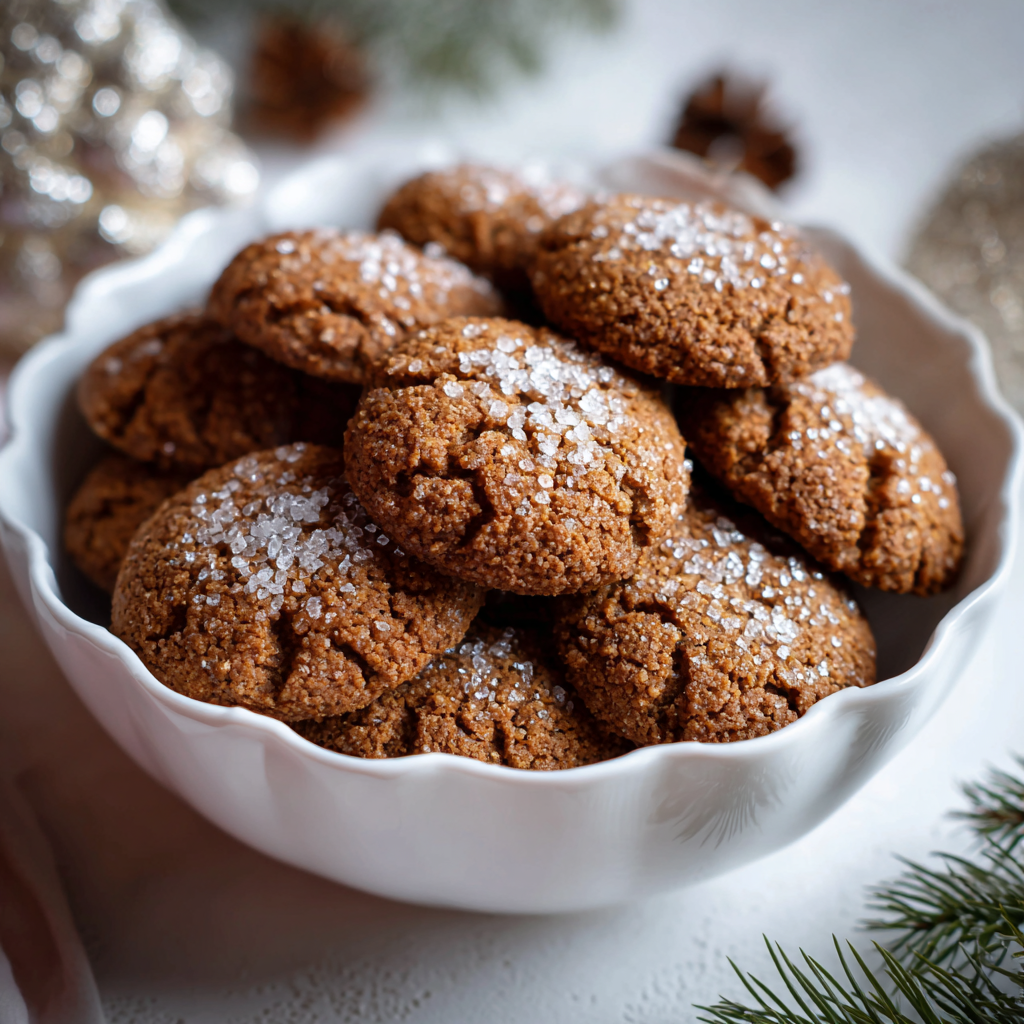
There’s absolutely nothing more inviting than biting into a soft, chewy gingerbread cookie that melts on your tongue, and this recipe makes creating that perfect texture easier than you’d ever imagine. First, these cookies deliver bakery-quality softness with a buttery center and gently crisp edges that come together without any complicated techniques or special equipment. Next, the simple ingredient list uses pantry staples you likely already have, eliminating the need for specialty shopping or advance planning. Additionally, the dough comes together in just minutes, requiring only a few bowls and basic mixing, making this perfect for busy holiday schedules or spontaneous baking moments. The secret to their incredible softness lies in strategic ingredient choices and precise baking timing—insights you’ll master instantly with this straightforward recipe. Furthermore, whether you’re a seasoned baker seeking a foolproof recipe or a complete beginner trying gingerbread cookies for the first time, these soft cookies will exceed your expectations and become your go-to version forever.
Why Soft and Chewy is the Best Texture
Soft gingerbread cookies represent the ultimate indulgence in holiday baking, offering tender centers that make every bite feel luxurious and satisfying. These cookies hit differently than crispy varieties—they have a yielding texture that allows the molasses and spice flavors to develop more fully on your palate. Meanwhile, soft cookies remain fresh longer than their crispier counterparts, staying delicious for days without becoming stale or hard. Furthermore, the chewy texture pairs beautifully with warm beverages, creating the perfect pairing for dunking or enjoying alongside your favorite hot drink. Additionally, soft cookies are more forgiving during storage and shipping, making them ideal for gift-giving or packing into lunch boxes. The molasses flavor shines brightest in soft cookies, creating depth that’s sometimes masked in denser, crispier versions. For anyone who loves the comforting warmth of gingerbread, soft and chewy is simply the superior texture choice.
Ingredients (Makes About 24 Cookies)
- 2¼ cups all-purpose flour
- 1 teaspoon baking soda
- ¼ teaspoon salt
- 2¼ teaspoons ground ginger
- 1½ teaspoons ground cinnamon
- ½ teaspoon ground cloves
- ¼ teaspoon ground allspice
- ¾ cup unsalted butter, softened to room temperature
- 1 cup granulated sugar, divided (¾ cup for mixing, ¼ cup for rolling)
- 1 large egg
- ¼ cup unsulphured molasses
- 1 teaspoon vanilla extract
- ½ teaspoon fresh ginger, minced (optional, for extra softness and flavor)
Step-by-Step Instructions
Setting Up Your Baking Space
- Preheat your oven to 325°F, which is lower than many cookie recipes—this slower baking creates the soft, chewy texture that makes these cookies special.
- Line two large baking sheets with parchment paper or silicone baking mats to prevent sticking and ensure even heat distribution underneath.
- In a medium bowl, whisk together the flour, baking soda, salt, ginger, cinnamon, cloves, and allspice until evenly combined.
- Set this dry mixture aside in a convenient location near your mixing station.
- Allow your butter to soften to room temperature by leaving it on the counter for about 20-30 minutes—it should yield easily to pressure from your finger but not be melted or greasy.
Mixing the Cookie Dough
- In a large mixing bowl, place the softened butter and ¾ cup of granulated sugar, beating together with an electric mixer on medium speed for 3-4 minutes.
- Continue beating until the mixture becomes notably lighter in color, fluffier in texture, and noticeably increased in volume—this aeration is crucial for soft cookies.
- Add the egg to the butter mixture and beat on medium speed for about 1 minute, scraping down the bowl once halfway through to ensure even incorporation.
- Pour in the molasses and vanilla extract, beating on medium speed for another minute until the mixture looks smooth and uniformly blended throughout.
- If using fresh minced ginger, stir it in now by hand with a spatula, folding it gently into the wet ingredients.
- Reduce the mixer speed to low and gradually add the dry ingredient mixture in three equal portions, stirring after each addition until no streaks of flour remain.
- Stop mixing immediately once the dough just comes together—overmixing develops gluten and creates tougher cookies instead of the soft, tender texture you want.
- Give the dough a final gentle stir by hand with a spatula to ensure all ingredients distribute evenly throughout.
Shaping and Preparing for Baking
- Pour the remaining ¼ cup of granulated sugar into a shallow bowl or plate, creating a small mound for easy dipping.
- Using a cookie scoop or rounded tablespoon, portion the dough into balls about the size of a walnut.
- Roll each dough ball gently between your palms, smoothing it and creating a uniform sphere shape.
- Dip the top of each ball into the granulated sugar, pressing gently so the coating adheres without completely covering the entire cookie.
- Alternatively, roll the entire dough ball in sugar for a more completely coated appearance if you prefer extra sweetness on the outside.
- Place the sugar-coated dough balls on the prepared baking sheets, spacing them about 2½ inches apart to allow room for spreading.
- Leave the cookies as balls rather than flattening them—the rounded shape contributes to the soft, chewy centers you’re seeking.
The Critical Baking Process
- Transfer one baking sheet to the middle rack of your preheated 325°F oven.
- Bake for 12-14 minutes, watching carefully—the cookies should look set around the edges but still appear slightly underdone in the very center.
- The tops should look matte rather than shiny, and the cookies should hold their shape when gently touched, but the centers will still feel slightly soft.
- Remove the first baking sheet from the oven and immediately transfer it to a wire cooling rack.
- While the first batch cools, place the second baking sheet in the oven and bake for 12-14 minutes using the same visual cues.
- The key to maximum softness is removing the cookies while the centers still feel slightly underdone—they’ll continue cooking on the hot pan and cooling rack.
- Allow the cookies to cool on the baking sheets for 8 minutes—this is longer than typical recipes but crucial for developing the perfect soft texture.
- After 8 minutes, transfer the cookies to a wire cooling rack using a spatula, arranging them in a single layer for air circulation.
- Allow the cookies to cool completely for at least 45 minutes before stacking, storing, or eating—this allows the interiors to set to perfect softness without becoming rock-hard.
- Enjoy immediately with a hot beverage, or transfer to an airtight container for storage.
Serving and Storing Tips
How to Serve and Enjoy
These incredibly soft gingerbread cookies are best served warm, fresh from the cooling rack, when their tender centers are at absolute peak softness. First, serve them on a beautiful platter alongside steaming mugs of hot chocolate, coffee, or chai tea for the ultimate comfort experience. Next, arrange them on holiday cookie platters where their soft texture will appeal to everyone who prefers chewy treats over crispy ones. Additionally, these cookies are perfect for Christmas morning breakfast alongside cinnamon rolls, yogurt, and fresh fruit—they’re satisfying enough to feel indulgent yet balanced enough to fit into a wholesome breakfast spread.
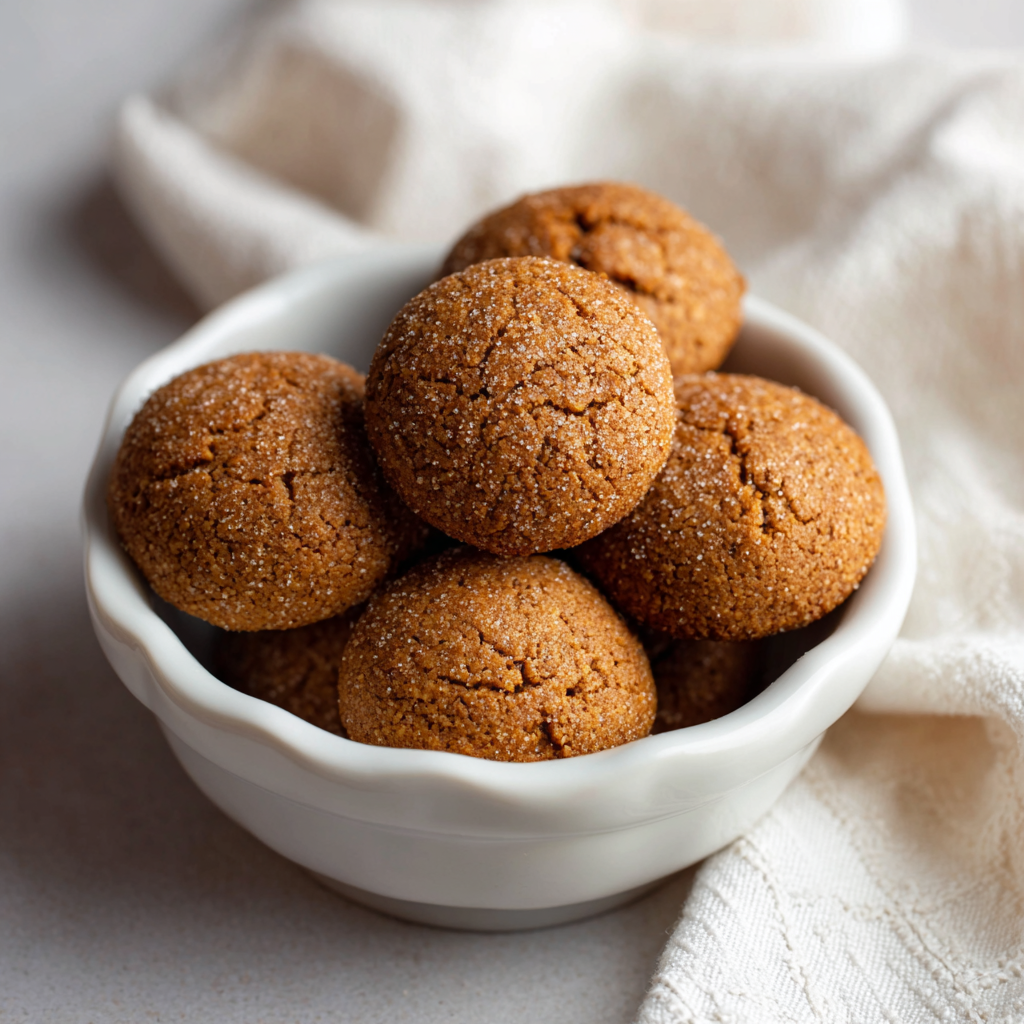
Furthermore, pack them in lunch boxes where their softness prevents them from crumbling, making them ideal portable snacks. You might also serve them at holiday parties, wrap them as gifts for loved ones, or enjoy them as evening treats with a glass of cold milk. Consider setting up a cozy cookie-and-cocoa station at gatherings where guests can choose from various toppings like sprinkles, drizzles, or edible glitter.
Storage for Maximum Freshness
To preserve the soft, chewy texture these cookies are known for, store them in an airtight container at room temperature rather than in the refrigerator, which can accelerate staling. Layer the cookies with parchment paper between them to prevent sticking and maintain their structure. Properly stored, these soft cookies stay fresh for up to 7 days at room temperature, maintaining their chewy centers throughout. For longer storage, freeze the baked cookies in a freezer-safe container or freezer bag for up to 3 months—thaw them at room temperature for about 30 minutes before serving, and they’ll taste as soft as the day they were baked. The cookie dough can be made ahead and refrigerated for up to 3 days before baking, or frozen for up to 2 months. To bake refrigerated dough, increase the baking time by 1-2 minutes; frozen dough needs an additional 2-3 minutes. Alternatively, scoop the dough onto a baking sheet, freeze until solid, then transfer to a freezer bag—this allows you to bake fresh soft cookies anytime you’d like without thawing the entire batch. To maintain maximum softness, avoid stacking cookies while they’re still warm, and always use an airtight container for storage rather than leaving them exposed on the counter.
Helpful Notes and Tips
Several key considerations will guarantee you achieve perfectly soft, chewy gingerbread cookies every single time without fail. First, the lower oven temperature of 325°F is absolutely essential—higher temperatures create crispier cookies, so don’t be tempted to increase it. Next, the critical factor is removing cookies from the oven while the centers still appear slightly underdone; they continue cooking on the hot pan and as they cool, reaching perfect softness. Additionally, leaving the cookies on the baking sheet for 8 minutes before transferring to the cooling rack is not optional—this crucial step allows the bottoms to firm up while maintaining soft centers. Meanwhile, avoid opening the oven door before the minimum baking time has elapsed, as temperature fluctuations can affect texture. For maximum softness, don’t chill the dough before baking; room-temperature dough spreads slightly, contributing to the soft, chewy texture.
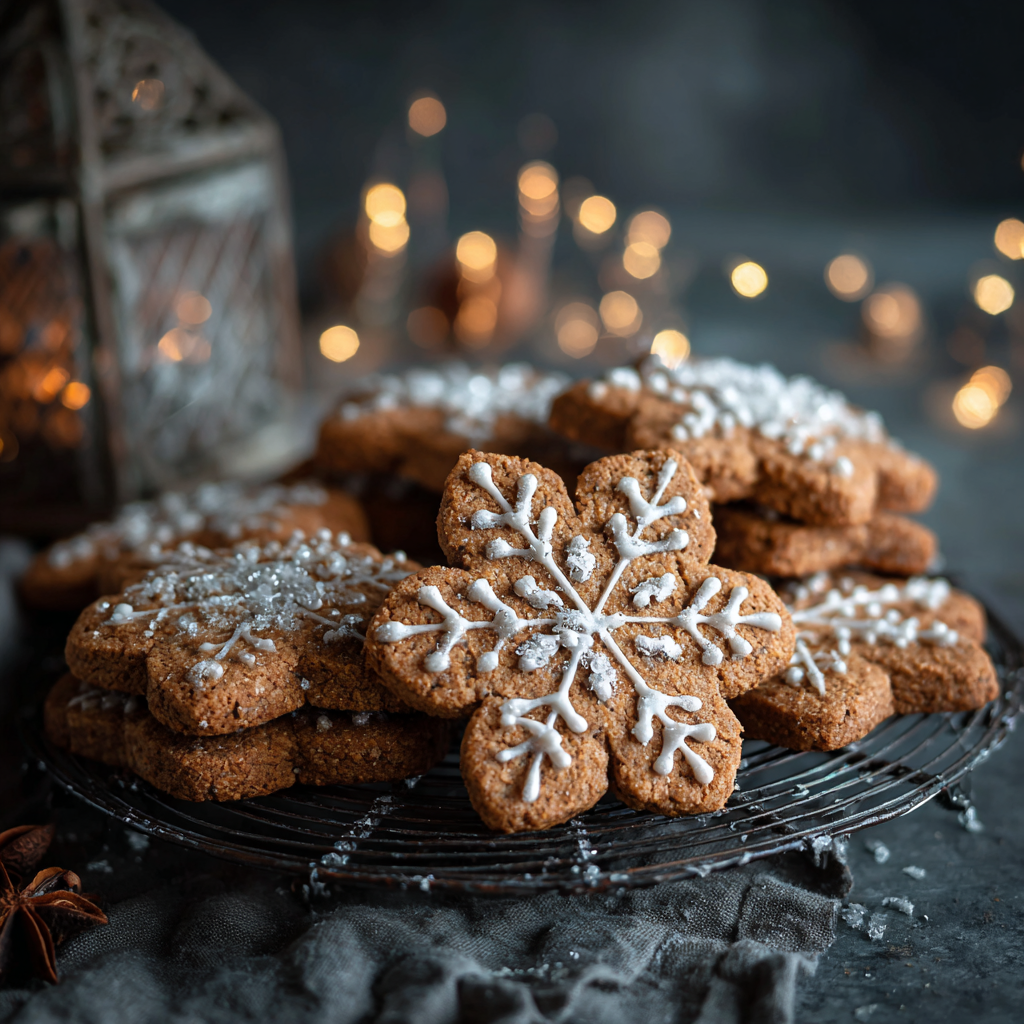
Those preferring cookies that are slightly firmer can bake for an additional 1-2 minutes until the centers look completely set. If your cookies spread too much during baking, your oven may run hot—try reducing the temperature by 25°F and checking at the minimum time. For cookies that don’t spread enough, ensure your butter was properly softened, as cold fats prevent proper spreading. The molasses flavor is critical to softness; don’t skip it or substitute it, as it contributes moisture and browning. To intensify spice flavors without making cookies drier, refrigerate the dough for at least 4 hours or overnight before baking—this allows spices to infuse fully and creates noticeably superior cookies.
Chef Tips
Remove the cookies from the oven when they appear slightly underdone in the center—this is the single most important technique for achieving maximum softness; they’ll continue cooking on the hot pan and reach perfect texture as they cool completely.
Use an instant-read thermometer to verify your oven temperature; many home ovens run hotter or cooler than the dial indicates, and even slight temperature variations affect whether cookies turn out perfectly soft or slightly crispier than desired.
Frequently Asked Questions
Why are my cookies coming out cake-like instead of chewy? You may be baking them too long; remove them when the centers still look slightly underdone, and ensure your oven temperature is accurate since higher temperatures create firmer cookies.
Can I make the dough ahead of time? Absolutely! The dough keeps in the refrigerator for up to 3 days or in the freezer for up to 2 months, making advance preparation perfect for busy holiday schedules.
What should I do if my cookies spread too much? Your oven may be running hot; try reducing the temperature by 25°F and checking at the minimum baking time, ensuring you’re not overbaking them.
How do I keep these cookies soft after baking? Store them in an airtight container at room temperature with parchment paper between layers; keep them away from heat and avoid refrigerating, which accelerates staling.
Can I add decorative toppings before baking? Yes! Before baking, you can press sprinkles, chopped nuts, or candies into the dough balls; they’ll stay in place during baking and create beautiful, festive cookies.
Mastering the Art of Soft Gingerbread Cookies
These soft gingerbread cookies represent the pinnacle of comfortable, indulgent home baking that requires no complicated techniques or difficult-to-find ingredients. From the moment you cream together butter and sugar through that first warm bite, you’ll understand why soft, chewy cookies are beloved by bakers everywhere. The recipe delivers consistent, predictable results that feel like magic when you pull a batch of perfectly tender cookies from the oven.
What makes this recipe truly special is how it demystifies creating that perfect soft texture. First, the strategic use of lower oven temperature gives cookies time to set around the edges while centers remain tender. Next, removing them at the precise moment when they appear slightly underdone ensures they never become hard or cake-like. Additionally, the careful cooling process—both on the baking sheet and on the rack—develops that ideal chewy texture without becoming gooey or undercooked. Furthermore, the ingredient ratios create naturally moist cookies that stay fresh longer than typical recipes.
These soft gingerbread cookies are ideal for anyone seeking bakery-quality results without professional baking experience or equipment. The straightforward instructions, forgiving dough, and foolproof techniques mean even complete beginners achieve gorgeous cookies. Whether these become your go-to holiday recipe, your year-round favorite, or the treat you make for special occasions, they’re guaranteed to impress everyone lucky enough to enjoy them. The combination of warmth, softness, and genuine spiced flavor creates something truly magical that captures the essence of seasonal comfort.
We’d absolutely love to hear if you try these soft gingerbread cookies! Did they become your new favorite version? Please save this recipe for future baking adventures, share it with friends and family who appreciate perfectly chewy cookies, and pin it to your favorite treats board. Your feedback, comments, and shares truly inspire us to keep creating delicious recipes that bring people together and make home baking feel accessible and joyful. Drop a comment below telling us what you loved about them, whether you made any special adjustments, or if you enjoyed them with any particular beverages—we absolutely cherish hearing about your baking experiences and the joy our recipes bring to your kitchen!