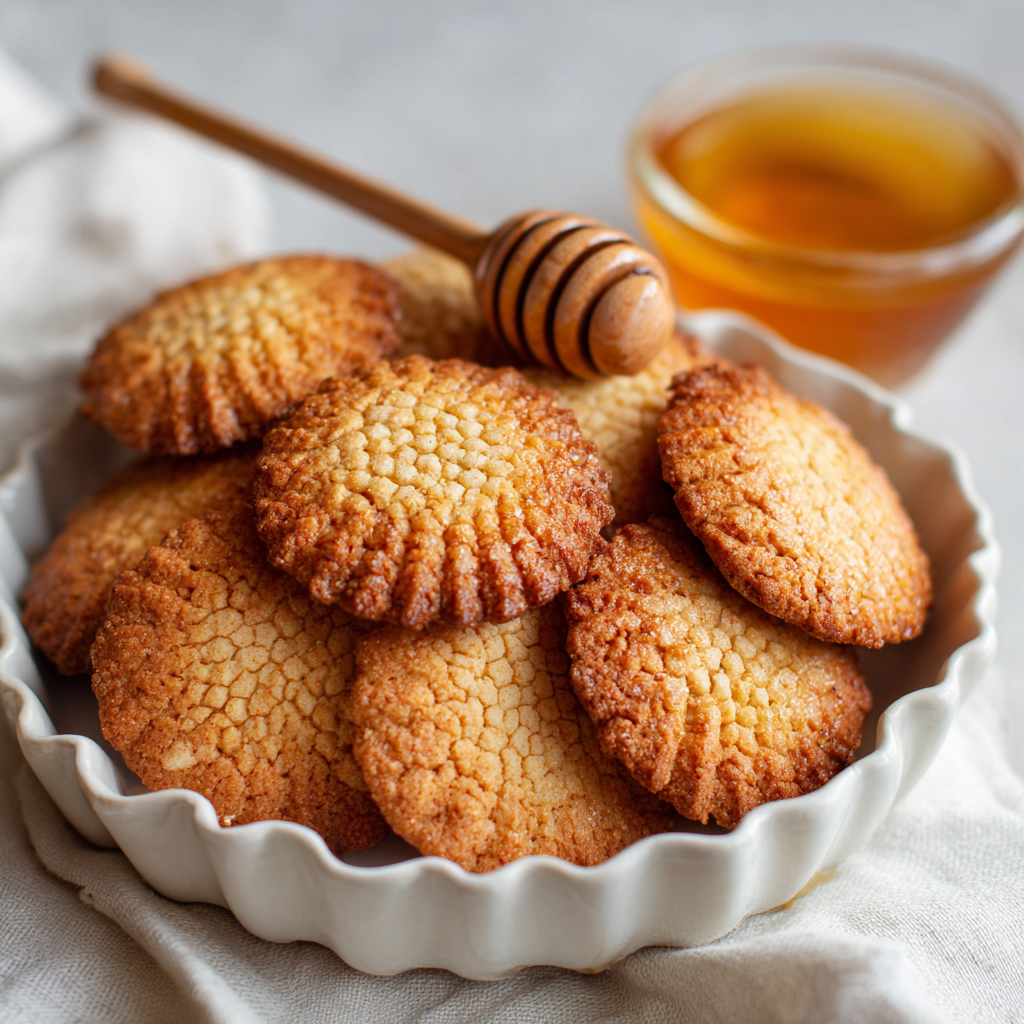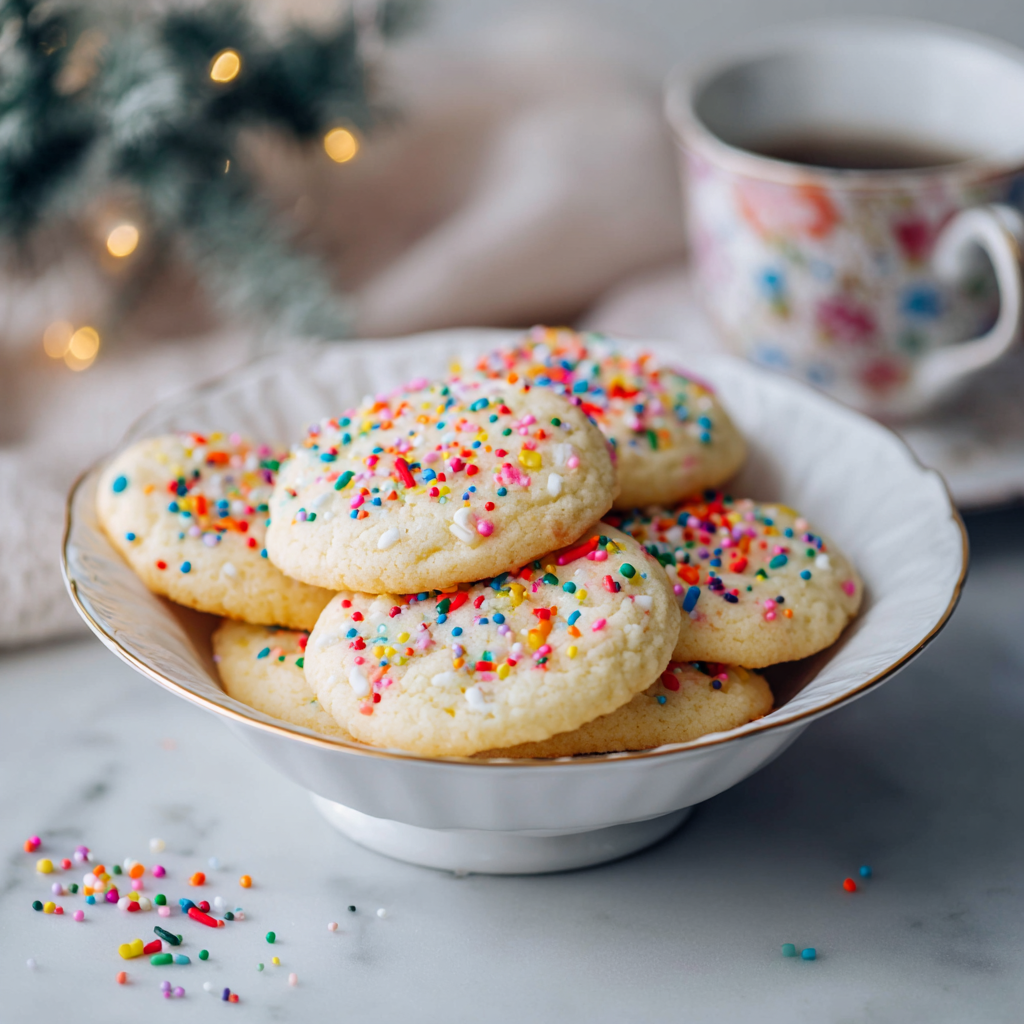
There’s nothing quite like biting into a cookie so soft and tender that it practically melts on your tongue, leaving behind pure buttery sweetness and happiness. First, these soft sugar cookies represent the perfect solution for anyone craving that melt-in-your-mouth texture that crispy versions simply cannot deliver. The beauty of this recipe lies in how it delivers incredibly tender cookies through simple ingredient adjustments and careful baking technique that prevents overdrying. What makes this dish truly special is how the cookies maintain their gorgeous soft texture for several days without requiring constant refrigeration or special storage methods. Additionally, these cookies work beautifully as everyday treats, lunchbox additions, after-school snacks, gift options, or even elegant entertaining additions because their universal appeal suits virtually any occasion imaginable. Whether you’re baking specifically for family gatherings or making them regularly throughout the year for simple indulgence, the result remains the same—absolutely delicious, impossibly soft cookies that disappear faster than you can refill the plate. The combination of butter-forward flavor, tender crumb, and melt-away texture creates irresistible bites that appeal to everyone from casual cookie lovers to devoted enthusiasts seeking something genuinely special and unforgettable.
Ingredients
Makes approximately 24-30 cookies
For the Cookie Dough:
- 1 cup unsalted butter, softened to room temperature
- 1 cup granulated sugar
- ½ cup powdered sugar
- 1 large egg
- 1 large egg yolk
- 2 teaspoons vanilla extract
- 2¼ cups all-purpose flour
- ½ teaspoon baking soda
- ½ teaspoon cream of tartar
- ¼ teaspoon sea salt
For Topping:
- 2 tablespoons coarse sugar or cinnamon sugar (optional)
- ¼ teaspoon sea salt (for sprinkling on top, optional)
Understanding Soft Cookie Science
Creating incredibly soft cookies requires understanding how specific ingredients and techniques affect final texture and moisture. Next, using both granulated and powdered sugar creates tenderness that granulated sugar alone cannot achieve. Additionally, the egg yolk provides extra richness and moisture that keeps cookies soft for days after baking. Meanwhile, cream of tartar works with baking soda to create gentle leavening that produces tender crumb rather than dense or tough texture.
Step-by-Step Instructions
- Combine softened unsalted butter with granulated sugar and powdered sugar in a large mixing bowl, beating together on medium speed for approximately 3-4 minutes until very light, fluffy, and pale. First, this extended beating incorporates maximum air into the mixture, creating lighter cookies with softer crumb. Subsequently, properly creamed butter and sugars should appear noticeably lighter in color than when you began beating.
- Add the large egg and egg yolk to the mixture, beating on medium speed for approximately 45-60 seconds until fully incorporated and the mixture becomes smooth and homogeneous. Next, ensure eggs are completely combined before proceeding, as unincorporated eggs create separated texture rather than smooth dough. Additionally, the extra egg yolk provides additional moisture contributing to the signature soft texture.
- Pour vanilla extract into the mixture, beating for an additional 20-30 seconds until the vanilla distributes throughout the dough evenly. Meanwhile, this brief beating ensures all ingredients combine thoroughly without overdeveloping gluten that would make cookies tough rather than tender.
- In a separate medium bowl, whisk together all-purpose flour, baking soda, cream of tartar, and sea salt to combine evenly. Next, this whisking distributes leavening agents uniformly, ensuring even rise throughout all cookies. Subsequently, sifting this mixture prevents lumps that would create uneven texture in finished cookies.
- Add the dry ingredient mixture to the wet ingredients gradually, folding gently with a rubber spatula until just combined. First, avoid using an electric mixer for this step as it develops excessive gluten that creates tough cookies rather than the tender ones you’re seeking. Subsequently, stop folding the moment you no longer see visible flour streaks, even if the dough appears slightly uneven.
- Cover the cookie dough with plastic wrap and refrigerate for at least 30 minutes, preferably up to 1 hour, allowing flavors to develop and dough to firm slightly. Additionally, chilled dough is easier to scoop and prevents excessive spreading during baking. Meanwhile, proper chilling ensures cookies achieve optimal softness rather than becoming thin and crispy.
- Preheat your oven to 350°F and position the rack to the center, allowing proper heat circulation around cookies during baking. Subsequently, line baking sheets with parchment paper, which prevents sticking while facilitating easy cleanup afterward.
- Remove dough from refrigeration and allow it to sit at room temperature for exactly 3-5 minutes, making it slightly more workable without becoming overly soft. First, this brief rest prevents the dough from being so cold that it’s difficult to scoop. Subsequently, overly warm dough becomes sticky and difficult to work with, so resist the urge to warm it further.
- Scoop dough using a cookie scoop or two teaspoons, creating balls approximately 1 to 1½ inches in diameter and placing them on your parchment-lined baking sheets. Additionally, consistent sizing ensures all cookies bake evenly without some becoming overdone while others remain underbaked. Meanwhile, space cookies approximately 2 inches apart to allow for spreading during baking without touching each other.
- If desired, sprinkle cookies with coarse sugar or cinnamon sugar immediately after scooping while dough remains sticky, which helps the sugar adhere. Additionally, if using fleur de sel or finishing salt, sprinkle tiny amounts across the top for sophisticated flavor contrast. Meanwhile, the sugar topping adds textural interest and visual appeal without being necessary.
- Place baking sheets in your preheated 350°F oven and bake for 10-13 minutes until cookie edges turn very pale golden brown while centers remain noticeably light in color. First, watch carefully during the final minutes as soft cookies brown quickly once browning begins. Subsequently, this lower temperature and careful timing prevent overbaking that would dry out the cookies and eliminate the signature soft texture.
- The cookies are finished when edges appear set and crispy while the centers still jiggle slightly when you gently shake the baking sheet. Additionally, centers continue cooking from residual heat after removal, so cookies appear slightly underdone when you remove them from the oven. Meanwhile, this appears intentional rather than accidental; properly soft cookies need this characteristic to maintain optimal texture.
- Remove cookies from the oven and allow them to cool on the baking sheet for exactly 3 minutes while they firm up slightly without becoming brittle. First, this brief cooling period allows cookies to set structure and become firm enough to transfer. Subsequently, cookies removed from pans too quickly may fall apart; cooling briefly prevents this issue.
- Transfer cooled cookies to wire cooling racks and allow them to cool completely to room temperature, approximately 10-15 minutes. Additionally, completely cooled cookies maintain their soft texture better than warm versions. Meanwhile, you can serve them immediately after cooling or store for later enjoyment.
- Once fully cooled, store cookies in an airtight container at room temperature, where they remain impossibly soft for up to one week, continuing to soften slightly over several days. First, the cookies’ moisture content combined with sealed storage creates perfect environment for maintaining softness. Subsequently, this storage approach allows cookies to actually improve slightly in texture as they age.
Mastering Soft Cookie Texture
Understanding how to create impossibly soft cookies removes concerns about whether your cookies will achieve the desired melt-in-your-mouth quality. Next, using both types of sugar creates tenderness that single sugar approach cannot achieve. Meanwhile, the cream of tartar works with baking soda to create gentle leavening. Additionally, removing cookies from the oven while centers appear slightly underdone is essential for achieving soft texture rather than creating dense or undercooked cookies.
Serving and Storing Tips
Serving Suggestions
Serve your soft sugar cookies at room temperature for optimal flavor and texture that showcases their signature melt-away quality. First, present them on ceramic plates, wooden boards, or simple platters that highlight their beautiful soft appearance. Additionally, pairing cookies with hot coffee, herbal tea, cold milk, or hot chocolate creates comforting flavor combinations enhancing enjoyment. Meanwhile, these cookies work beautifully as everyday treats, lunchbox additions, after-school snacks, gift options, or even dessert finales because their universal appeal suits any occasion imaginable.
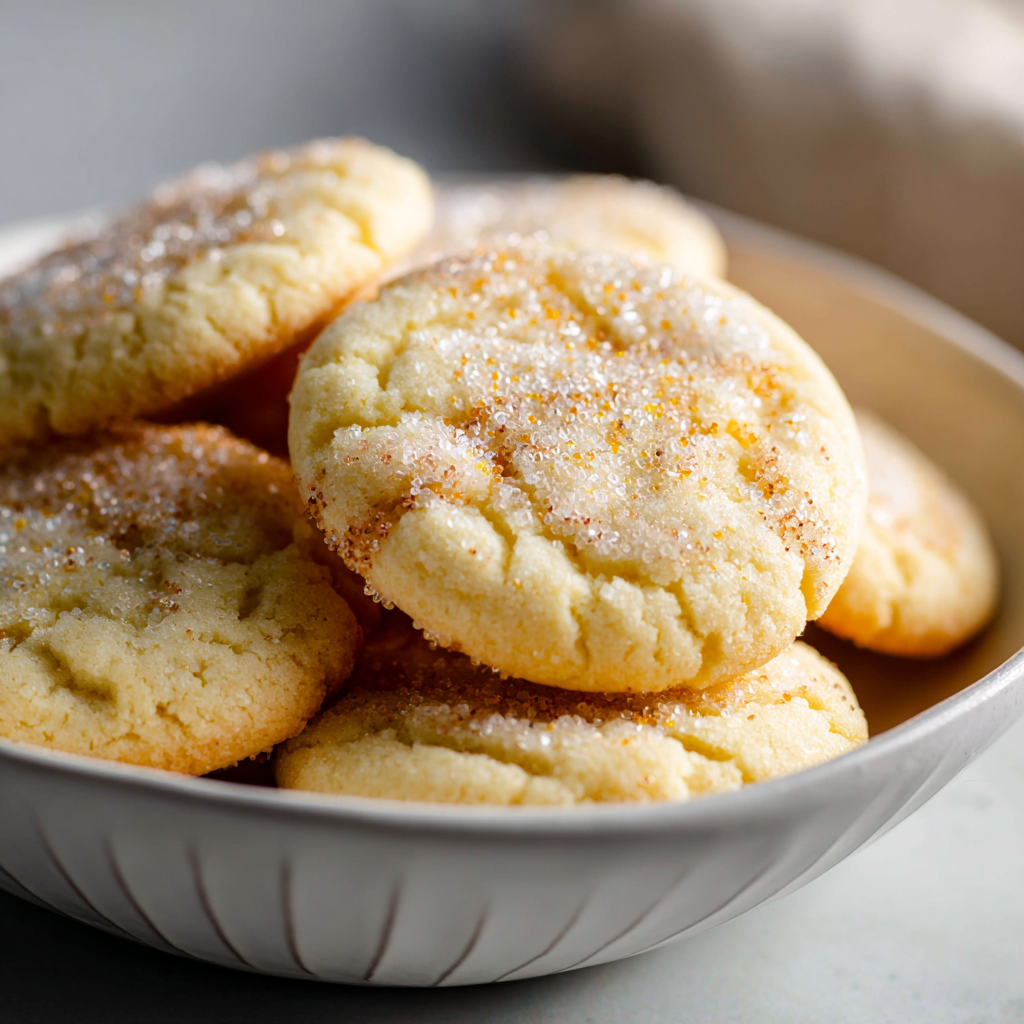
The versatility means cookies suit virtually any occasion from casual family moments to sophisticated entertaining because they deliver satisfying indulgence without requiring complicated preparation or decoration. Subsequently, packaging cookies beautifully in clear cellophane bags tied with ribbon creates impressive gifts demonstrating thoughtfulness and care. Furthermore, these cookies travel beautifully in airtight containers, making them perfect for sharing with friends, family, coworkers, or as part of dessert tables where homemade treats are appreciated.
Storage Tips
Store cooled soft cookies in an airtight container at room temperature for up to 7 days, keeping them impossibly soft and tender without drying out. However, cookies taste best within the first 3-4 days while freshness remains optimal. Subsequently, cookies actually continue softening slightly as they age in sealed containers, becoming even more tender with time. Alternatively, add a slice of bread to the container and replace it every other day; bread adds moisture keeping cookies impossibly soft.
Layer cookies between parchment paper in airtight containers to prevent sticking and damage. Additionally, store different cookie varieties separately to prevent flavors from transferring or becoming muddled. Furthermore, do not refrigerate cookies as cold temperatures can change their texture unpleasantly.
To freeze, store completely cooled cookies in freezer-safe containers or bags for up to three months, allowing quick treat access on future occasions. Additionally, frozen cookies thaw at room temperature in approximately 20-30 minutes, maintaining softness beautifully. Furthermore, you can also freeze the prepared dough in scoops on sheet pans, then transfer frozen dough balls to freezer bags; bake directly from frozen, adding 2-3 extra minutes to baking time.
Helpful Notes and Variations
Ingredient substitutions ensure this recipe adapts to whatever you have available in your kitchen and pantry while maintaining soft, delicious results. Next, if you prefer almond extract, substitute ½ teaspoon almond extract for portion of vanilla without affecting cookie structure or softness. Meanwhile, those with preferences can experiment with lemon zest, peppermint extract, or rum extract for different subtle flavor profiles. Additionally, if you lack cream of tartar, substitute with additional baking soda in reduced amount, though texture may differ slightly.
The topping variations allow creative customization without affecting core cookie quality. For those preferring unadorned simplicity, skip the topping entirely without affecting final texture. In contrast, experimenting with different sugars—demerara, turbinado, coconut sugar—creates varied visual appeal and subtle flavor differences. Subsequently, brushing cookies with egg wash before topping creates shimmier appearance, while dusting finished cookies with powdered sugar creates elegant presentation.

Common mistakes occur when cookies are baked too long, resulting in overly crispy edges that destroy the signature soft texture. Instead, remove cookies when centers appear very slightly underdone and edges barely turn golden. Additionally, failing to chill dough results in excessively spread cookies that become thin and crispy rather than thick and soft. Furthermore, using all-purpose flour instead of specialty flour creates denser cookies; cake flour creates slightly softer texture if preferred.
Chef Tips for Exceptional Results
First, using a cookie scoop ensures uniform sizing, which bakes evenly without some becoming overdone while others remain underbaked. Subsequently, removing cookies from the oven slightly early is absolutely essential for maintaining the signature soft texture that defines these cookies.
Frequently Asked Questions
Why do my cookies spread too much during baking? Ensure dough is adequately chilled for minimum 30 minutes before baking, and verify oven temperature with an oven thermometer for accuracy.
Can I make this dough ahead and store it? Absolutely, wrap dough tightly and refrigerate for up to 3 days before baking, or freeze for up to 3 months and thaw overnight before using.
What makes these cookies softer than traditional sugar cookies? The combination of powdered sugar, extra egg yolk, cream of tartar, and careful baking timing at lower temperature creates the signature soft texture.
How do I keep cookies soft if they start to harden? Add a slice of bread to the container and replace every other day; bread adds moisture keeping cookies soft without making them wet.
Can I add mix-ins like chocolate chips or sprinkles? Yes, fold in up to ¾ cup mix-ins after combining all ingredients; mix-ins don’t significantly affect baking time or texture.
Exploring Flavor Variations
This foundational soft cookie recipe welcomes numerous creative interpretations based on seasonal ingredients and personal preferences. Next, lemon-vanilla variations using fresh lemon zest create bright, refreshing versions perfect for spring gatherings. Meanwhile, brown butter versions using browned butter create nutty depth complementing vanilla beautifully. Additionally, brown sugar substitutions in place of granulated sugar create deeper molasses notes adding complexity.
The beauty of cookie baking lies in its adaptability to whatever flavors and ingredients inspire your creativity. First, consider your favorite cookie flavors and build variations around soft texture foundation. Subsequently, experimenting with different extracts, zests, and subtle flavor additions keeps this simple recipe from becoming predictable throughout the year.
Understanding Soft Cookie Appeal
Recognizing why soft cookies deserve special appreciation removes any concern that they’re somehow inferior to crispy versions. First, soft cookies provide genuine comfort and satisfaction impossible to achieve with crispy alternatives. Subsequently, the tender crumb texture creates eating experience that feels indulgent and special. Additionally, soft cookies remain enjoyable for longer periods without becoming stale, making them superior choice for storage and gift-giving.
Building a Soft Cookie Tasting Experience
Creating an enjoyable cookie experience transforms simple treats into memorable moments worth savoring. First, present cookies at room temperature with beverage pairings that complement vanilla sweetness. Subsequently, allowing cookies to sit undisturbed for few minutes before eating allows flavors to fully develop. Additionally, intentional pairing of cookies with complementary beverages elevates casual snacking into mindful enjoyment.
Making Soft Cookies Your Go-To Recipe
Understanding why soft cookies deserve regular rotation into your baking repertoire removes any lingering hesitation about their value. First, properly executed soft cookies deliver genuine satisfaction rivaling any store-bought version. Subsequently, the ability to control ingredients and freshness provides peace of mind and pride of homemade creation. Additionally, knowing that soft cookies appeal to virtually all age groups and preferences means you’ll bake them frequently.
Mastering Soft Cookie Texture Control
Proper baking technique ensures each cookie delivers the signature soft texture rather than becoming crispy or underbaked. First, accurate oven temperature is essential for proper baking without overcooking. Subsequently, removing cookies while centers appear slightly underdone is non-negotiable for achieving soft final texture. Additionally, allowing adequate cooling on the baking sheet prevents breakage while maintaining softness.
The technique improves with practice, but even your first attempts will likely succeed because soft cookies are forgiving compared to more delicate preparations. Next, watching your oven during final baking minutes helps you understand exactly when cookies reach perfect doneness. Meanwhile, recognizing that soft cookies will appear slightly underdone when removed from oven removes anxiety about potential mistakes.
Customizing for Dietary Preferences
These soft sugar cookies adapt beautifully to various dietary approaches including dairy-free, vegan, gluten-free, and egg-free preferences. Next, using dairy-free butter creates completely dairy-free versions while maintaining softness. Meanwhile, using flaxseed eggs or aquafaba in place of regular eggs creates vegan alternatives. Additionally, substituting gluten-free flour blends creates gluten-free versions though texture may vary slightly depending on flour chosen.
The flexibility means these cookies suit virtually any dietary approach family members navigate. First, focus on maintaining softness and moisture regardless of specific dietary substitutions. Subsequently, providing alternative cookie options ensures all family members enjoy homemade treats equally.
Conclusion
Your Soft Sugar Cookies Easy Recipe awaits creation, ready to become your new favorite go-to treat for everyday indulgence and special occasions alike. This recipe delivers impossibly soft, tender cookies that satisfy cravings while remaining simple enough for beginning bakers. Through proper ingredient combination, adequate chilling, and careful baking technique, you’ll create cookies that improve with age and remain fresh for nearly a week. Gather your ingredients, follow these steps methodically, and prepare yourself for how soft, tender, and delicious these cookies become.
Did you love this Soft Sugar Cookies Easy Recipe? Please save this recipe to your collection, pin it to your Pinterest board, and share it with friends and family who crave those melt-in-your-mouth treats that stay soft and tender for days. Your support means everything and encourages us to keep creating more accessible, delicious recipes that bring joy to your kitchen!