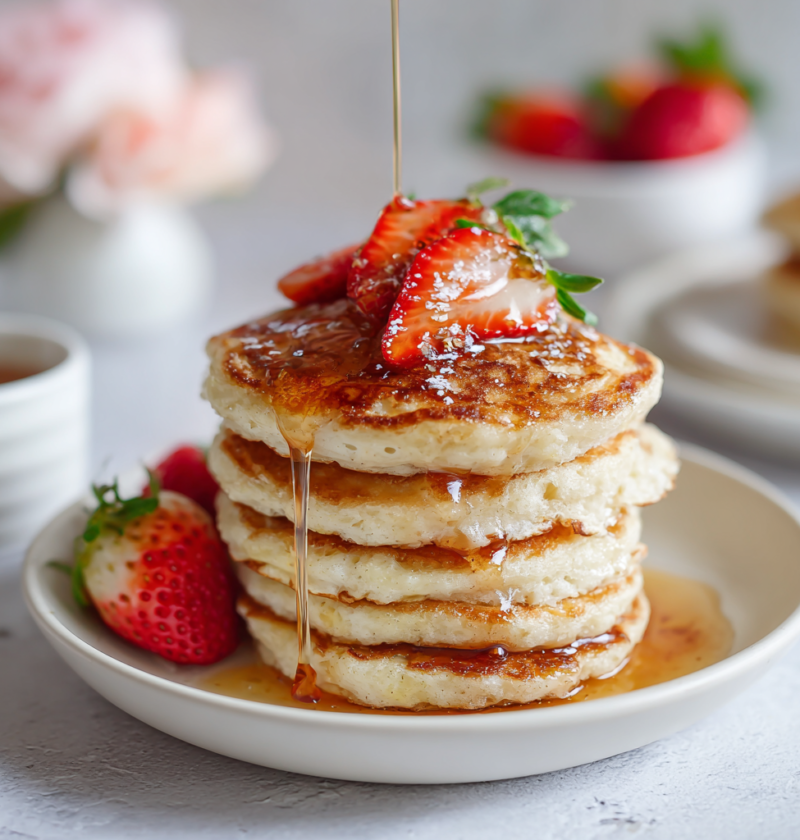
There’s something absolutely wonderful about waking up to a stack of fluffy, tender pancakes that combine the comforting warmth of a breakfast classic with the subtle complexity and tang of sourdough fermentation that makes every single bite taste like genuine home-cooked love. This Sourdough Discard Pancakes Recipe proves that sourdough starter belongs on your breakfast table—instead of the trash, it transforms simple pancake batter into something with incredible texture, extended freshness, and sophisticated flavor that elevates this beloved comfort food into something genuinely special and memorable. What makes these pancakes truly extraordinary is how they celebrate the intersection of sustainability and culinary excellence, transforming typically discarded sourdough starter into breakfast that tastes like you’ve perfected a complex recipe through months of development when really, simple ingredients and fermentation create magic naturally. Whether you’re a sourdough enthusiast looking to expand your creative repertoire, someone who appreciates complex flavors in beloved comfort foods, planning to create impressive breakfasts for people you love, or simply treating yourself to something absolutely delicious and meaningfully made, these sourdough discard pancakes deliver pure indulgence and genuine satisfaction. The combination of fluffy interiors, tender crumb, subtle fermented complexity, and perfect browning creates pancakes that taste like they came from an upscale brunch establishment while being made entirely at home with love. Your loved ones will be absolutely enchanted by the sophisticated flavor, impressed by how delicious these surprisingly unique pancakes taste, and utterly satisfied stacking plate after plate of these absolutely irresistible breakfast creations.
Ingredients
This recipe makes approximately 12 to 16 pancakes, serving 4 to 6 people.
For the Pancake Batter:
• 1 cup sourdough discard (unfed, room temperature) • 1 cup all-purpose flour • 2 tablespoons granulated sugar • 1½ teaspoons baking powder • ½ teaspoon baking soda • ¼ teaspoon salt • ½ teaspoon cinnamon (optional) • Pinch of nutmeg (optional) • ¾ cup whole milk, room temperature • 1 large egg, room temperature • 2 tablespoons melted butter, plus extra for the pan • 1 teaspoon vanilla extract
For Optional Mix-Ins:
• ½ cup chocolate chips (semi-sweet or dark) • ½ cup fresh blueberries or raspberries • ¼ cup chopped walnuts or pecans • ¼ cup shredded coconut • 2 tablespoons ground flaxseed
For Serving:
• Pure maple syrup, warmed • Fresh berries • Whipped cream or Greek yogurt • Powdered sugar • Lemon wedges • Fresh mint leaves • Butter pats
Instructions
Prepare Your Ingredients
- Ensure your sourdough discard is at room temperature and has been unfed for optimal fermented flavor and complexity.
- Remove the egg and milk from the refrigerator about 15 minutes before mixing to allow them to reach room temperature.
- Gather all ingredients and measuring tools, organizing them in the order you’ll need them for efficient, stress-free mixing.
- Have a griddle or large skillet ready for cooking, and line it with a clean kitchen towel for heating and warming.
Combine Dry Ingredients
- In a large mixing bowl, whisk together the all-purpose flour, granulated sugar, baking powder, baking soda, and salt.
- If using optional cinnamon and nutmeg, add them to the dry ingredients and whisk thoroughly until evenly distributed throughout.
- The dry mixture should appear uniform in color with no visible streaks of baking soda remaining throughout.
Combine Wet Ingredients
- In a separate medium mixing bowl, combine the sourdough discard and room temperature milk, stirring together until partially combined.
- Add the room temperature egg and vanilla extract to the discard mixture, beating gently with a fork until these ingredients are well incorporated.
- Pour the melted butter into the wet ingredients, stirring gently until it’s evenly distributed throughout the mixture.
- The wet ingredient mixture should appear relatively smooth with a slight thickness from the sourdough discard.
Combine Wet and Dry
- Create a well in the center of the dry ingredients and pour the sourdough-milk mixture into it.
- Using a spatula or wooden spoon, gently fold the wet and dry ingredients together, stirring just until they combine into a thick batter.
- Avoid overmixing, as this develops gluten and creates tough, dense pancakes rather than fluffy, tender ones.
- Small visible flour streaks in the batter are acceptable and actually preferable—overmixing creates inferior texture and crumb structure.
Add Optional Mix-Ins
- If using optional chocolate chips, fresh berries, nuts, or other mix-ins, fold them into the batter gently, distributing them evenly.
- Continue folding until all mix-ins are incorporated throughout without crushing delicate berries or breaking nuts excessively.
- The finished batter should appear thick and fluffy with mix-ins distributed for balanced bites.
Let Batter Rest
- Allow the pancake batter to rest for 5 to 10 minutes at room temperature, which allows the flour to fully hydrate and the baking soda to begin reacting.
- This resting period creates lighter, fluffier pancakes compared to cooking immediately after mixing.
- The batter should be thick and pourable but not overly thin or watery at this point.
Prepare Your Cooking Surface
- Heat a griddle or large non-stick skillet over medium-high heat, allowing it to warm thoroughly before adding batter.
- Once hot, lightly coat the cooking surface with butter using a pastry brush or paper towel, ensuring even coverage.
- Test the heat by dropping a small amount of batter onto the surface—it should sizzle gently but not violently, indicating proper temperature.
Cook the Pancakes
- Pour approximately ¼ cup of batter onto the preheated griddle for each pancake, spacing them approximately 1 inch apart.
- Allow the pancakes to cook undisturbed for 1 to 2 minutes until small bubbles begin forming on the surface and the edges appear dry or set.
- Using a thin spatula, gently flip each pancake and cook the second side for another 1 to 2 minutes until it becomes light golden brown.
- The bottoms should be evenly golden without burnt spots, indicating proper heat and timing.
- Transfer the cooked pancakes to a warm plate or baking sheet lined with a kitchen towel, keeping them warm while finishing remaining batches.
- If desired, place finished pancakes in a 200°F oven on a baking sheet to keep them warm while completing all batches.
- Continue making pancakes with remaining batter, rebuttering the griddle between batches as needed for consistent results.
Assemble and Serve
- Arrange the warm sourdough pancakes on beautiful serving plates, stacking them slightly or creating an attractive arrangement.
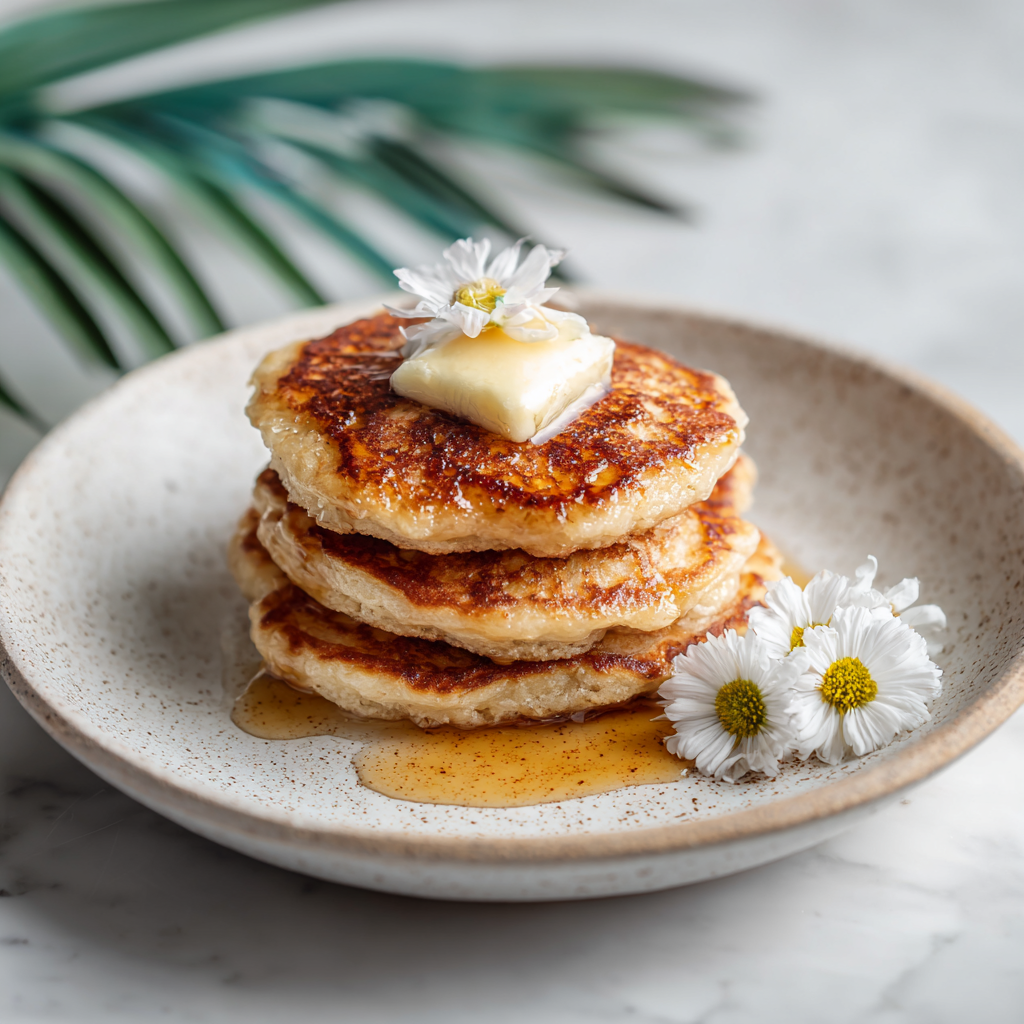
- Top each stack with a generous pat of butter, allowing it to melt luxuriously into the warm pancakes.
- Drizzle with warmed pure maple syrup, or allow guests to add syrup according to personal preference.
- Arrange fresh berries, whipped cream, or yogurt on the side for additional flavor and elegance.
- Dust lightly with powdered sugar, add fresh mint leaves, and serve immediately while the pancakes are still warm.
- Provide additional warmed maple syrup in a small pitcher for guests to add according to their preferences.
Serving and Storing Tips
How to Serve These Wonderful Pancakes
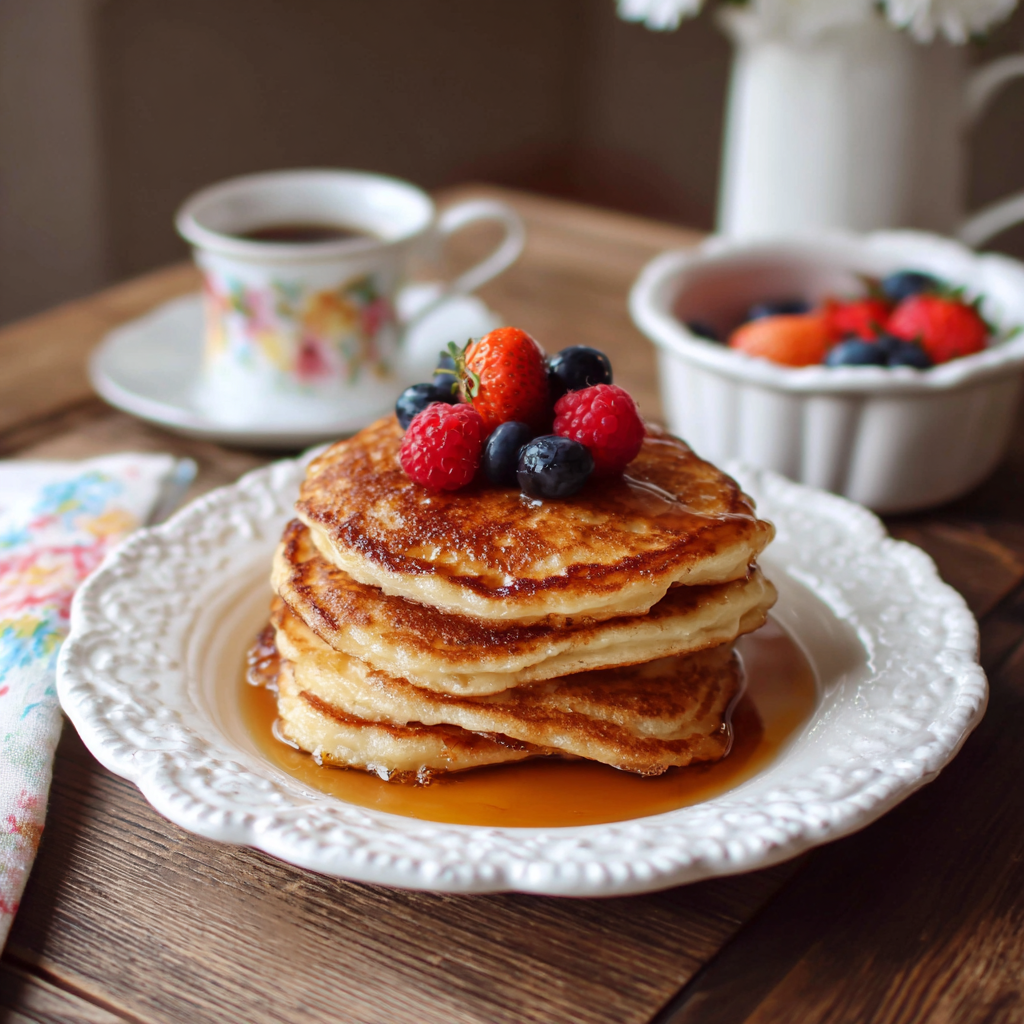
Present your gorgeous sourdough discard pancakes on beautiful serving plates or a decorative platter that showcases their golden-brown color and fluffy appearance. First, serve them immediately while still warm from the griddle, as this is when they achieve the perfect texture and temperature contrast. Additionally, provide multiple toppings and accompaniments allowing guests to customize their experience. Meanwhile, serve alongside fresh fruit, whipped cream, Greek yogurt, or hash browns for a complete breakfast spread. For special occasions, arrange with fresh flowers, cloth napkins, and beautiful tableware that celebrates the thoughtfulness of homemade breakfast. Furthermore, these pancakes make wonderful Valentine’s Day breakfasts when arranged creatively and topped with fresh berries shaped like hearts.
Storage Instructions for Maximum Enjoyment
Keep leftover sourdough discard pancakes in an airtight container in the refrigerator for up to 3 days, storing them in a single layer separated by parchment paper to prevent sticking. To reheat, place pancakes on a baking sheet and warm them in a 350°F oven for 8 to 10 minutes until heated through while regaining some crispness on the exterior. Alternatively, you can reheat individual pancakes in a toaster on medium setting for about 1 minute per side, which preserves texture while warming evenly. For longer storage, freeze the cooked pancakes in a freezer-safe container with parchment between layers for up to 3 months. To use frozen pancakes, reheat them directly from frozen in a toaster, toaster oven, or conventional oven at 350°F for 10 to 12 minutes until heated through completely.
Helpful Notes and Pro Tips
Tips for Perfectly Fluffy Pancakes
Start by using sourdough discard that hasn’t been recently fed, as unfed discard contains the tangiest flavor and proper fermentation for optimal rise. Additionally, room temperature ingredients ensure proper mixing and incorporation—cold eggs and milk don’t combine smoothly, affecting final texture and fluffiness. The key to fluffy pancakes is not overmixing the batter—leave small flour streaks visible and fold gently for the lightest, most tender result. Furthermore, allowing the batter to rest for 5 to 10 minutes gives the flour time to fully hydrate and the baking soda time to activate. When cooking, maintain medium-high heat consistently, as temperature fluctuations affect browning and cooking speed. Meanwhile, flipping only once ensures pancakes cook evenly without becoming tough from excessive manipulation.
Understanding Sourdough Discard in Pancakes
Sourdough discard is the starter removed before feeding, containing wild yeast and lactic acid bacteria that add subtle fermented complexity impossible to achieve otherwise. Additionally, the discard contributes moisture and tang that improve pancake texture and extend shelf life compared to traditional recipes. The sourdough discard may cause slight spreading due to its liquid content, but the baking soda and baking powder create proper rise that creates light, fluffy pancakes. Furthermore, fermented discard breaks down starches, potentially making pancakes easier to digest than traditional versions. The acidic nature of sourdough discard reacts with the baking soda to create proper rise and even browning during cooking.
Ingredient Substitutions and Variations
If you don’t have sourdough discard, you can use Greek yogurt, sour cream, or buttermilk in equal amounts, though the fermented complexity will be less pronounced. In contrast, for maximum sourdough flavor, you could increase the discard to 1¼ cups and reduce other liquids slightly. For different flavor profiles, you could add ½ teaspoon of almond extract, ¼ teaspoon of orange zest, or ½ teaspoon of peppermint extract for completely different taste experiences. You could also create a brown butter version by browning the butter before mixing, which adds nutty depth that complements sourdough beautifully. Alternatively, adding 1 tablespoon of honey or maple syrup creates sweeter pancakes that some people find more indulgent.
Mix-In and Topping Variations
Beyond the suggested optional mix-ins, you can create completely personalized pancakes by choosing from an unlimited array of options including crushed candies, caramel bits, or cereal. Additionally, you could experiment with different berries like strawberries, blackberries, or cherries for varied flavor profiles. You might also consider adding dried fruit like raisins, cranberries, or apricots for different sweetness and texture. Meanwhile, banana slices, apple chunks, or peach pieces create completely different seasonal variations. You could also create a savory version by omitting sugar and cinnamon, then topping with cheese, bacon, and fresh herbs for unexpected sophistication.
Chef Tips
Professional pancake makers always maintain consistent griddle temperature throughout cooking, using a thermometer if necessary to ensure even browning without some pancakes cooking faster than others. Additionally, using a thin spatula for flipping and a gentle touch prevents breaking delicate pancakes or flattening them during the turning process.
Frequently Asked Questions
Can I use recently fed sourdough starter instead of unfed discard? Yes, though unfed discard provides more fermented complexity and tanginess; recently fed starter still works beautifully and creates delicious pancakes with milder sourdough flavor.
What if my pancakes aren’t fluffy enough and turn out dense? You may have overmixed the batter—stir just until barely combined next time, and ensure your baking powder and baking soda are fresh and active.
Can I make the batter ahead of time and cook pancakes whenever I want? Yes, you can make the batter up to 4 hours ahead and refrigerate it, though you may need to add a touch of milk if it thickens too much.
How do I know if my pancakes are perfectly cooked versus underdone or overdone? Perfectly cooked pancakes have deeply golden edges but centers that are fully cooked throughout; if too pale, cook longer; if burnt, reduce heat.
Is there a way to make these pancakes without sourdough discard if I don’t have a starter? You can replace the discard with buttermilk, Greek yogurt, or sour cream in equal amounts, though the fermented complexity will be different.
Conclusion
Sourdough Discard Pancakes represent the perfect marriage of beloved breakfast comfort food and sourdough craftsmanship that creates pancakes so delicious and sophisticated that they elevate this classic dish into something genuinely extraordinary and memorable. This recipe proves that sourdough discard belongs on your breakfast table rather than in the trash—instead, it transforms simple pancake batter with subtle complexity, fermented depth, and extended freshness that distinguishes them from basic pancakes immediately. Whether you’re a sourdough enthusiast looking to expand your creative repertoire, someone who appreciates complex flavors in beloved breakfast foods, creating impressive morning meals for people you love, or simply treating yourself to something absolutely delicious and meaningfully made, these sourdough discard pancakes deliver on every level. From the moment you begin mixing the batter and those wonderful fermented aromas fill your kitchen to the final bite of fluffy, golden, perfectly-topped pancake, every aspect of this experience feels completely special and thoroughly satisfying. The straightforward instructions mean that even inexperienced cooks can create something that tastes professionally made and absolutely incredible without any stress or frustration. Most importantly, the care and attention you invest in creating these pancakes from sourdough discard shines through in every fluffy, delicious bite. This is more than just pancakes—it’s an expression of sustainability, comfort, and genuine affection served warm and wonderful.
Did you absolutely love making these Sourdough Discard Pancakes as much as we loved sharing this recipe with you? We’d genuinely adore hearing about your pancake breakfast experience! Please save this recipe to your favorites, pin it to your Pinterest board, and share it with friends and family who deserve a delicious, sustainable breakfast that proves sourdough discard belongs at the breakfast table, not in the trash. Your shares, comments, and feedback inspire us to keep developing delicious recipes that bring joy and celebration to your kitchen and table. Don’t forget to tag us on social media if you make these wonderful pancakes—we can’t wait to see your gorgeous creations and hear how much your loved ones cherished these thoughtful, delicious, and absolutely wonderful sourdough discard pancakes!