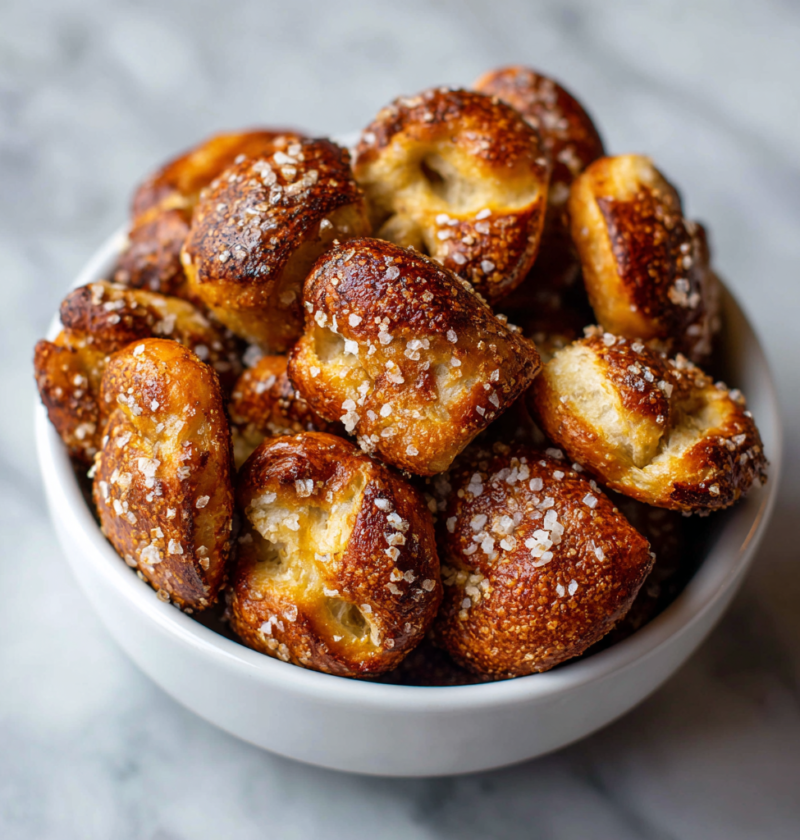
There’s something absolutely extraordinary about stretching out a piece of pizza dough that’s been enriched with sourdough starter, creating a crust that combines the perfect balance of crispy exterior and tender, flavorful interior while delivering subtle fermented complexity that transforms ordinary pizza into something genuinely memorable and deeply craveable. This Sourdough Discard Pizza Dough Recipe proves that sourdough starter belongs in pizza—instead of the trash, it transforms simple pizza dough into something with incredible texture, extended fermentation flavor, and superior digestibility that makes traditional pizza dough pale in comparison. What makes this pizza dough truly extraordinary is how it celebrates the intersection of sustainability and culinary excellence, transforming typically discarded sourdough starter into pizza that tastes like it came from an authentic Italian pizzeria while being completely achievable in your home kitchen. Whether you’re a sourdough enthusiast looking to expand your creative repertoire, someone who appreciates quality ingredients in beloved comfort foods, planning to create impressive homemade pizza for people you love, or simply treating yourself to something absolutely delicious and meaningfully made, this sourdough discard pizza dough delivers pure indulgence and genuine satisfaction. The combination of crispy-yet-tender crust, subtle fermented complexity, superior flavor development, and perfect texture creates pizza that tastes like you’ve mastered Neapolitan techniques when really, proper fermentation and simple ingredients create magic naturally. Your loved ones will be absolutely enchanted by the sophisticated flavor, impressed by how delicious homemade sourdough pizza tastes compared to store-bought or delivery options, and utterly satisfied enjoying slice after slice of this absolutely wonderful pizza creation.
Ingredients
This recipe makes 2 large pizzas or 4 personal-sized pizzas.
For the Dough:
- 1 cup sourdough discard (unfed, room temperature)
- ¾ cup water, room temperature
- 2 tablespoons olive oil, plus extra for the bowl
- 1 teaspoon salt
- 3 cups all-purpose flour or bread flour
- ½ teaspoon instant yeast (optional, helps ensure rising)
For Finishing (Optional):
- 2 tablespoons olive oil for brushing
- 1 teaspoon coarse sea salt
- Fresh herbs like oregano or basil (optional)
Instructions
Mix the Dough
- In a large mixing bowl, combine the sourdough discard and room temperature water, stirring together until they’re partially combined.
- Add the olive oil and salt to the mixture, beating gently with a wooden spoon until these ingredients are incorporated throughout.
- In a separate medium bowl, whisk together the all-purpose or bread flour with optional instant yeast, combining them thoroughly.
- Create a well in the center of the flour mixture and pour the sourdough mixture into it, stirring with a wooden spoon until all flour is incorporated.
- The dough will be shaggy and rough at this point, which is completely normal and expected at this initial mixing stage.
Knead the Dough
- Transfer the dough to a lightly floured work surface and knead it gently for 8 to 10 minutes, working until it becomes smooth and elastic.
- The dough should spring back slowly when poked with your finger, indicating proper gluten development for pizza structure.
- Avoid overworking the dough excessively, as pizza dough benefits from gentle handling that creates tender rather than tough crust.
First Rise
- Clean your mixing bowl and coat it generously with olive oil, then place the kneaded dough into the bowl and turn it over to coat all sides.
- Cover the bowl with a damp kitchen towel or plastic wrap and place it in a warm, draft-free location for 2 to 4 hours.
- The dough is ready when it has doubled in size and shows visible bubbles throughout, indicating active fermentation.
- For deeper flavor development, allow the dough to rise in the refrigerator for 12 to 24 hours instead of room temperature rising.
- Cold fermentation develops superior flavor while making the dough easier to work with, creating more extensible and flavorful pizza.
Divide and Shape
- Once the dough has risen adequately, turn it out onto a lightly floured work surface and gently press down to release some of the air.
- Divide the dough in half using a dough scraper or sharp knife, creating two equal portions for large pizzas.
- For personal-sized pizzas, divide the dough into four equal portions using the same method.
- Shape each portion into a loose ball by pulling the edges toward the center and rotating slightly, creating surface tension.
- Allow the shaped dough balls to rest on the floured surface for 10 to 15 minutes, allowing the gluten to relax slightly.
Stretch and Shape
- Working with one dough ball at a time, gently flatten it using your fingertips, pressing from the center outward.
- Continue stretching gently, rotating the dough as you work, until you achieve the desired thickness, approximately ¼-inch for crispy-edged pizza or ½-inch for thicker crust.
- For Neapolitan-style pizza, create a slightly thicker edge by pressing less in the outer inch of dough, creating a crust that puffs during baking.
- Transfer the stretched dough to a pizza pan, parchment paper on a pizza peel, or directly onto a preheated baking surface.
- If the dough springs back excessively, allow it to rest for 5 minutes and try stretching again, as relaxing gluten makes stretching easier.
- Avoid tearing the dough by working gently and allowing adequate resting time between stretching attempts.
Add Toppings and Bake
- If desired, brush the stretched dough lightly with olive oil to create a golden crust and enhance flavor.
- Sprinkle the crust edges with coarse sea salt and optional fresh herbs like oregano or basil.
- Add your desired toppings, beginning with sauce, then cheese, then additional toppings for proper distribution and cooking.
- Avoid overloading the pizza with toppings, as this prevents proper crust baking and creates soggy rather than crispy results.
- Preheat your oven to 475°F to 500°F depending on your pizza style preference, allowing it to heat for at least 30 minutes.
- Place the topped pizza into the preheated oven and bake for 12 to 18 minutes depending on thickness, sauce coverage, and oven type.
- The pizza is done when the crust is deeply golden brown and any cheese toppings are melted and slightly browned.
- Remove from the oven and allow to cool for 2 to 3 minutes before slicing, which allows the cheese to set and prevents extremely hot bites.
Store or Freeze
- If not using immediately, refrigerate shaped dough balls in covered containers for up to 3 days before topping and baking.
- For longer storage, freeze shaped dough balls in a freezer-safe container with parchment between layers for up to 3 months.
- To use frozen dough, thaw overnight in the refrigerator, then allow to come to room temperature before stretching and topping.
- Alternatively, you can stretch the dough, freeze it on parchment paper, then bake directly from frozen, adding 2 to 3 minutes to baking time.
Serving and Storing Tips
How to Serve This Wonderful Pizza Dough Pizza
Present your gorgeous sourdough pizza fresh from the oven on a beautiful serving platter or cutting board that showcases the golden-brown crust and appetizing toppings. First, slice with a sharp pizza cutter or chef’s knife using confident motions rather than hesitant ones, which prevents dragging and maintains crust integrity. Additionally, serve immediately while the pizza is still warm and the cheese is melted, creating the optimal eating experience. Meanwhile, arrange slices on individual plates for elegant serving, or serve family-style directly from the pizza pan for casual entertaining. For special occasions, garnish with fresh herbs, drizzle with quality olive oil, or add fresh basil after baking for elegance. Furthermore, this pizza is wonderful served alongside fresh salad, roasted vegetables, or simple appetizers for complete meals.
Storage Instructions for Maximum Quality
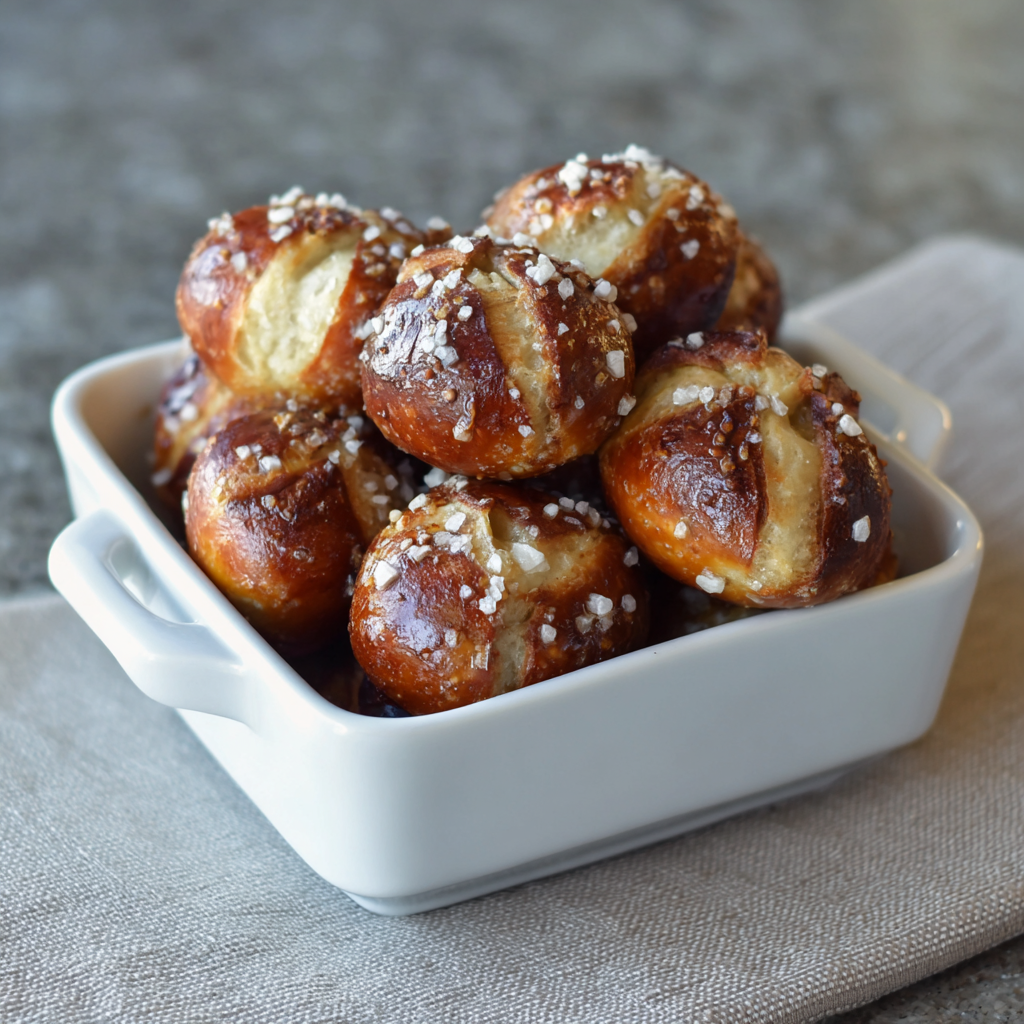
Keep leftover sourdough discard pizza dough pizza in an airtight container in the refrigerator for up to 3 days, storing slices separated by parchment paper to prevent sticking. To reheat, place pizza slices on a baking sheet and warm in a 375°F oven for 8 to 10 minutes until heated through while regaining some crispness on the crust. Alternatively, you can reheat individual slices in a toaster oven on medium setting for about 5 minutes, which preserves texture better than microwaving. For longer storage, freeze baked pizza slices in a freezer-safe container with parchment between layers for up to 3 months. To use frozen pizza, thaw overnight in the refrigerator or reheat directly from frozen at 375°F for 12 to 15 minutes until heated through completely.
Helpful Notes and Pro Tips
Tips for Perfect Sourdough Pizza Dough
Start by using sourdough discard that hasn’t been recently fed, as unfed discard contains the most fermented flavor and proper yeast activity for pizza rising. Additionally, room temperature ingredients ensure proper mixing and fermentation—cold water and oil don’t incorporate smoothly, affecting rise and texture. The key to delicious pizza is allowing adequate fermentation time, whether at room temperature for speed or in the refrigerator for deeper flavor development. Furthermore, gentle handling of the dough creates tender crust rather than tough, chewy results that come from overworking. When stretching, work confidently but gently, allowing the dough to rest between attempts if it springs back excessively. Meanwhile, proper oven temperature is crucial for pizza success—ensure your oven reaches at least 475°F before baking for properly crispy crust.
Understanding Sourdough Discard in Pizza Dough
Sourdough discard is the starter removed before feeding, containing wild yeast and lactic acid bacteria that add subtle fermented complexity to pizza. Additionally, the discard contributes moisture and tang that improve crust texture and flavor compared to traditional pizza dough. The sourdough discard may require slightly longer fermentation than commercial yeast-based doughs, but the superior flavor development justifies the time investment. Furthermore, fermented discard breaks down starches and proteins, potentially making pizza easier to digest than traditional versions. The acidic nature of sourdough discard contributes to the subtle fermented flavor that distinguishes sourdough pizza from basic pizza in ways people immediately notice and appreciate.
Ingredient Substitutions and Variations
If you don’t have sourdough discard, you can use Greek yogurt or buttermilk in equal amounts, though the fermented complexity will be less pronounced. In contrast, for maximum sourdough flavor, you could increase the discard to 1¼ cups and reduce other liquids slightly. For different crust styles, you could create a thicker pan pizza by using a rectangular pizza pan and allowing the dough to rise in the pan rather than stretching beforehand. You could also create a thinner, crispier crust by stretching the dough very thin before baking, or a thicker Sicilian-style pizza by allowing the dough to rise in the pan. Alternatively, adding 1 tablespoon of honey creates slightly sweeter dough that some people prefer, or adding fresh herbs to the dough creates herb-infused pizza crust variations.
Topping and Variation Ideas
Beyond simple tomato sauce and cheese, you can create completely personalized pizzas by choosing from an unlimited array of toppings including vegetables, proteins, or creative combinations. Additionally, you could experiment with different sauce bases like white sauce, pesto, or roasted red pepper sauce for completely different flavor profiles. You might also consider creating Detroit-style rectangular pizzas by dividing the dough differently and using rectangular pans. Meanwhile, creating a Neapolitan-style pizza with minimal toppings allows the quality of ingredients and crust to shine through. You could also create a dessert pizza by topping with honey, fresh fruit, ricotta, and nuts for unexpected sophistication.
Chef Tips
Professional pizza makers always preheat their ovens thoroughly, allowing at least 30 minutes for the oven to reach the proper temperature and stabilize. Additionally, using a pizza stone or steel preheated in the oven creates the crispiest, most authentic-tasting crust by directly transferring heat to the dough bottom.
Frequently Asked Questions
Can I use recently fed sourdough starter instead of unfed discard? Yes, though unfed discard provides more fermented complexity and flavor; recently fed starter still works beautifully and creates delicious pizza with milder sourdough taste.
What if my dough doesn’t rise enough during fermentation? Your kitchen may be too cool—try placing it in a warm location like an oven with just the light turned on, or extend the rising time by several additional hours.
Can I make this pizza dough ahead of time and use it whenever I want? Yes, you can prepare the dough, shape it, refrigerate for up to 3 days, then bake fresh, or freeze for up to 3 months for convenient pizza anytime.
How do I know if my pizza is perfectly baked versus underbaked or overbaked? Perfectly baked pizza has a deeply golden-brown crust with melted cheese that’s slightly browned; if too pale, bake longer; if burnt, reduce heat slightly.
Is there a way to make this pizza dough without sourdough discard if I don’t have a starter? You can replace the discard with buttermilk or Greek yogurt in equal amounts, though the fermented complexity and superior flavor will be different from the original recipe.
Conclusion
Sourdough Discard Pizza Dough represents the perfect marriage of Italian pizza craftsmanship and sourdough expertise that creates pizza dough so delicious and superior that it elevates homemade pizza into something genuinely extraordinary and memorable. This recipe proves that sourdough discard belongs in pizza dough rather than in the trash—instead, it transforms simple dough with fermented complexity, superior flavor development, and extended freshness that distinguishes it from basic pizza dough immediately. Whether you’re a sourdough enthusiast looking to expand your creative repertoire, someone who appreciates quality ingredients in beloved foods, creating impressive homemade pizza for people you love, or simply treating yourself to something absolutely delicious and meaningfully made, this sourdough discard pizza dough delivers on every level. From the moment you begin mixing the dough and those wonderful fermented aromas fill your kitchen to the final bite of crispy-yet-tender, flavorful pizza crust, every aspect of this experience feels completely special and thoroughly satisfying. The straightforward instructions mean that even inexperienced cooks can create something that tastes professionally made and absolutely incredible without any stress or frustration. Most importantly, the care and attention you invest in creating this pizza dough from sourdough discard shines through in every slice and every pizza experience. This is more than just pizza dough—it’s an expression of culinary craftsmanship, sustainability, and genuine affection served crispy and wonderful.
Did you absolutely love making this Sourdough Discard Pizza Dough as much as we loved sharing this recipe with you? We’d genuinely adore hearing about your pizza-making experience! Please save this recipe to your favorites, pin it to your Pinterest board, and share it with friends and family who deserve delicious, sustainable pizza that proves sourdough discard belongs in pizza dough, not in the trash. Your shares, comments, and feedback inspire us to keep developing delicious recipes that bring joy and celebration to your kitchen and table. Don’t forget to tag us on social media if you make this wonderful pizza—we can’t wait to see your gorgeous creations and hear how much your loved ones cherished these thoughtful, delicious, and absolutely wonderful sourdough discard pizza dough pizzas!