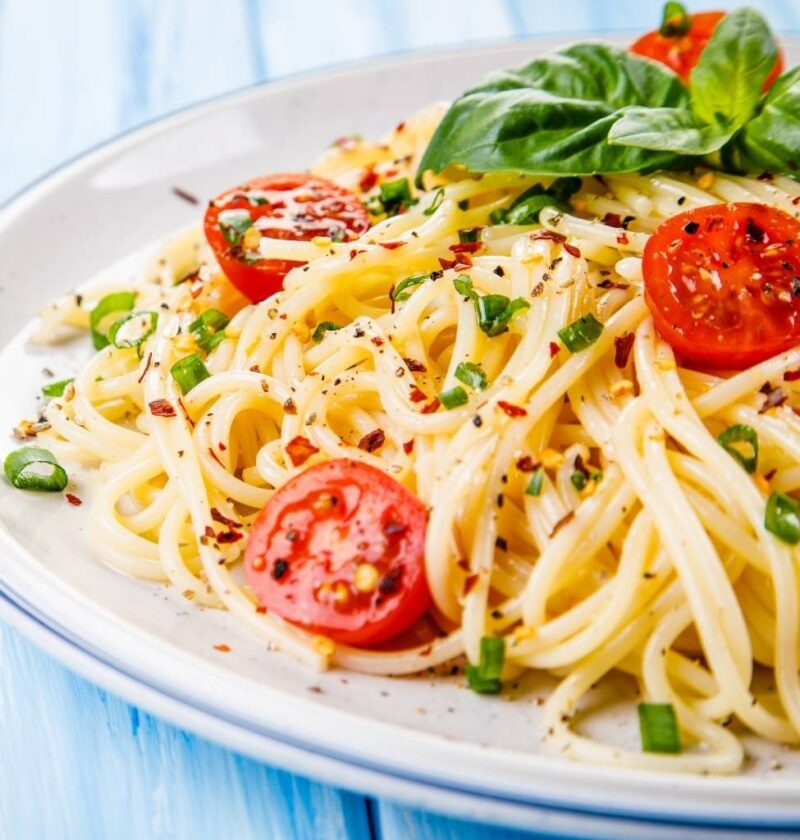
There’s something truly magical about capturing the essence of spring in a single bowl of pasta, where fresh, tender vegetables celebrate the season’s bounty in perfect harmony. Spring vegetable pasta represents the ultimate celebration of fresh produce at its peak, transforming simple ingredients into a light yet satisfying dish that feels both elegant and accessible. This recipe showcases how seasonal cooking doesn’t require complicated techniques or hours of preparation, yet delivers results that rival any upscale restaurant’s spring menu offerings. First, what makes this pasta so special is how it balances vibrant vegetables with creamy or light sauces, creating something that feels wholesome without sacrificing any richness or satisfaction. Additionally, the combination of fresh herbs, tender vegetables, and quality pasta creates a chorus of flavors that announce the arrival of warmer weather and longer days. Whether you’re cooking for your family during spring’s arrival, entertaining friends with an impressive yet effortless meal, or simply celebrating the season’s fresh produce, this spring vegetable pasta delivers consistent, memorable results that have everyone requesting the recipe and planning when to make it again.
Ingredients
This recipe yields 4 to 6 servings, making it ideal for family dinners or casual entertaining gatherings.
- 1 pound fresh pasta or dried pasta (fettuccine, pappardelle, or linguine)
- 2 tablespoons olive oil
- 3 tablespoons unsalted butter, divided
- 4 cloves garlic, minced
- 1 pound fresh asparagus, cut into 2-inch pieces
- 8 ounces sugar snap peas, trimmed
- 1 cup fresh peas (fresh or frozen)
- 2 medium zucchini, sliced into thin ribbons
- 8 ounces cherry tomatoes, halved
- ½ cup dry white wine or vegetable broth
- 1 cup heavy cream or half-and-half
- ¾ cup freshly grated parmesan cheese
- 2 tablespoons fresh lemon juice
- 1 teaspoon lemon zest
- ¼ cup fresh basil, roughly chopped
- ¼ cup fresh mint, roughly chopped
- 1 teaspoon salt
- ½ teaspoon black pepper
- Optional toppings: pine nuts, crispy bacon bits, additional fresh herbs, edible flowers, microgreens
Instructions
Preparing Your Fresh Vegetables
Begin by preparing all your vegetables before starting to cook, which ensures a smooth, organized cooking experience. Trim the woody ends from the fresh asparagus and cut the remaining spears into approximately 2-inch pieces for even cooking. Next, remove the strings from the sugar snap peas and set them aside on a clean plate. If using fresh peas, shell them gently and place them in a small bowl; if using frozen, simply thaw them under cold running water. Slice the zucchini lengthwise into thin ribbons using a mandoline slicer or vegetable peeler, then set them aside. Halve the cherry tomatoes and mince the garlic cloves finely. Having all your vegetables prepped and organized before you begin cooking makes the actual cooking process smooth and efficient.
Cooking Your Pasta to Perfection
Fill a large pot with salted water and bring it to a rolling boil over high heat, which is essential for properly cooking pasta. Next, add your chosen pasta to the boiling water and cook according to package directions, stirring occasionally to prevent sticking. Most fresh pasta cooks in 2 to 3 minutes, while dried pasta typically requires 8 to 12 minutes depending on thickness. About 1 minute before the pasta finishes cooking, reserve approximately 1 cup of the starchy pasta water in a separate container before draining. This pasta water becomes an invaluable ingredient for adjusting sauce consistency and helping it cling beautifully to the pasta.
Building Your Aromatic Base
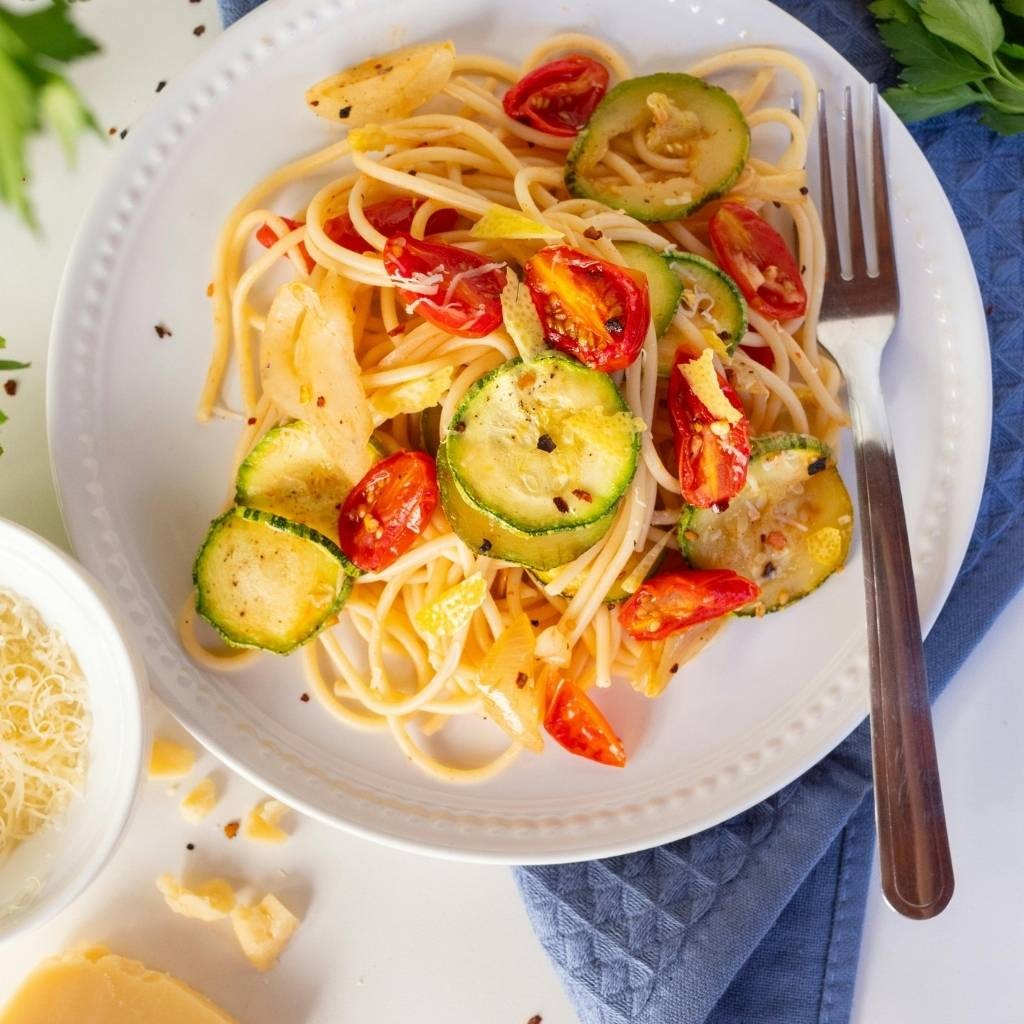
Heat 2 tablespoons of olive oil and 1 tablespoon of butter in a large skillet over medium heat until the butter melts completely and foams gently. Add the minced garlic to the warm oil and butter, cooking for approximately 1 minute while stirring constantly to prevent burning and release its wonderful aromatic qualities. The kitchen will fill with an incredible aroma that signals you’re creating something truly delicious and memorable. Next, add the prepared asparagus pieces to the skillet and cook for approximately 3 to 4 minutes, stirring occasionally, until they begin to soften slightly but still maintain their vibrant green color and crisp texture.
Cooking Your Spring Vegetables
Add the sugar snap peas and fresh peas to the skillet with the asparagus, stirring gently to combine everything evenly. Cook for another 2 to 3 minutes, allowing these vegetables to soften slightly while maintaining their bright color and fresh taste. Furthermore, add the zucchini ribbons and halved cherry tomatoes to the skillet, stirring gently to incorporate them without breaking the delicate vegetables. Cook for approximately 2 minutes until the zucchini becomes slightly tender and the tomatoes begin to soften and release their juices. The vegetables should remain relatively firm and vibrant rather than becoming mushy, preserving the essential springtime qualities you’re celebrating.
Creating Your Cream Sauce
Pour the dry white wine or vegetable broth into the skillet, using a wooden spoon to gently scrape up any flavorful bits stuck to the bottom of the pan. Allow the liquid to simmer for approximately 2 to 3 minutes, reducing slightly and allowing the wine to cook off its harsh alcohol taste. Next, add the remaining 2 tablespoons of butter to the skillet, stirring gently until it melts completely into the vegetable mixture. Pour in the heavy cream or half-and-half slowly while stirring gently, creating a rich, luxurious sauce that coats the vegetables beautifully. Reduce the heat to medium-low and allow the sauce to simmer gently for approximately 2 to 3 minutes, which helps it thicken slightly and the flavors meld together.
Bringing Everything Together
Add the drained pasta to the skillet with the creamy vegetables, tossing gently with tongs or a wooden spoon to combine everything evenly. If the sauce seems too thick, add reserved pasta water one tablespoon at a time while tossing, which helps the sauce cling beautifully to the pasta without becoming watery. Sprinkle the freshly grated parmesan cheese over the pasta and vegetables, tossing gently to incorporate it throughout. Remove the skillet from heat and stir in the fresh lemon juice and lemon zest, which adds brightness and acidity that balances the richness of the cream sauce. Finally, fold in the fresh basil and mint gently, reserving a small amount for garnishing individual servings.
Seasoning and Final Adjustments
Taste your spring vegetable pasta and season with additional salt and black pepper according to your personal preferences. Remember that the parmesan cheese adds saltiness, so taste before adding additional salt. The lemon juice should brighten the flavors without making the dish taste sour, so adjust accordingly based on your palate preferences. Additionally, if you prefer a lighter version, add more pasta water to create a thinner, more delicate sauce that allows the vegetables to shine.
Plating and Garnishing
Divide the spring vegetable pasta evenly among individual serving bowls or plates, creating an attractive presentation. Top each serving with additional fresh basil and mint for aroma and visual appeal just before serving. Furthermore, add any optional toppings you desire, such as toasted pine nuts for crunch, crispy bacon bits for smokiness, additional fresh herbs for brightness, delicate edible flowers for elegance, or microgreens for sophistication. The garnishes add textural contrast and elevate the dish into something truly restaurant-quality and impressive.
Serving and Storage Tips
How to Serve This Elegant Spring Pasta
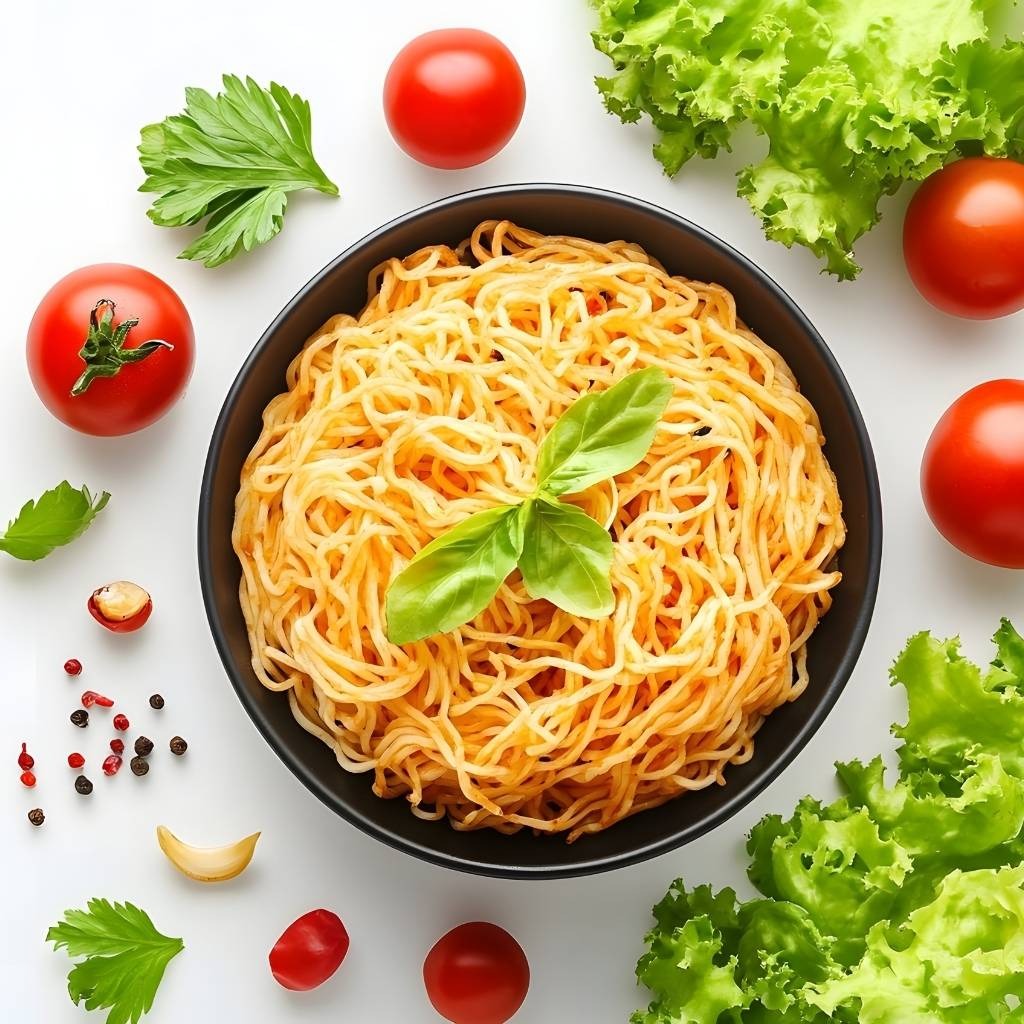
Serve your spring vegetable pasta immediately while it’s hot and the vegetables maintain their vibrant colors and tender-crisp texture. Additionally, serve it in shallow bowls or on plates with a light drizzle of quality extra virgin olive oil and additional grated parmesan cheese on the side. Furthermore, bring a bottle of the same dry white wine you used in cooking to the table, as it pairs beautifully with the spring vegetables and cream sauce. This wine pairing enhances the flavors and creates an elegant dining experience.
Pair this pasta with a fresh green salad tossed in light vinaigrette, which provides a crisp, fresh contrast to the rich, creamy pasta. Additionally, serve it alongside warm crusty bread for dipping into the sauce and soaking up every delicious bit. Next, grilled chicken breasts or pan-seared salmon add protein for those desiring a more substantial meal. For casual entertaining, set up a simple table with cloth napkins, good lighting, and spring flowers to complete the seasonal celebration.
Storage and Make-Ahead Instructions
Leftover spring vegetable pasta is best enjoyed fresh, but it can be refrigerated in airtight containers for up to 2 days. Reheat cooled pasta gently on the stovetop over low heat, stirring frequently and adding a splash of cream or pasta water if it seems too thick. Additionally, you can prepare all your vegetable toppings the day before and store them in separate containers, allowing you to assemble and cook the pasta in approximately 20 minutes on busy evenings.
For maximum convenience, you can make the sauce ahead and refrigerate it for up to 2 days before tossing with freshly cooked pasta. Furthermore, avoid preparing the pasta itself in advance, as it becomes mushy and loses its delightful texture. This make-ahead capability makes spring vegetable pasta an excellent choice for entertaining, as you can handle the most time-consuming vegetable preparation portions well in advance.
Helpful Notes and Creative Variations
Ingredient substitutions allow you to adapt this recipe to your dietary preferences, available seasonal vegetables, and flavor preferences. If you prefer a lighter version, substitute the heavy cream with half-and-half or even Greek yogurt stirred in at the end, which reduces fat while maintaining creaminess and adds subtle tanginess. Additionally, you can use vegetable broth instead of cream for a completely dairy-free, lighter version that still satisfies.
Furthermore, if you prefer different vegetables, celebrate what’s in season in your region: tender young green beans, baby carrots, fresh peas, mushrooms, bell peppers, or even delicate spring onions all work beautifully in this dish. Next, you can customize your herbs infinitely: fresh dill adds brightness, tarragon provides subtle licorice notes, parsley brings freshness, or even chives offer mild onion flavor. For those who enjoy heat, red pepper flakes or fresh jalapeños add wonderful complexity.
For vegetarian versions, this recipe is naturally vegetarian already, but you might add crispy chickpeas or tofu for additional protein. Additionally, you might substitute the pasta with zucchini noodles or other vegetable spirals for a lighter, lower-carb alternative that celebrates the vegetables even more prominently.
A common mistake involves overcooking the vegetables, which transforms vibrant, tender spring produce into mushy, dull-colored results. Cook each vegetable just until tender-crisp, maintaining its bright color and fresh texture. Furthermore, another frequent error involves using cold cream straight from the refrigerator, which can cool the entire dish too much. Always allow the cream to come to room temperature before adding it, or add it slowly to the hot pan and stir gently.
Time-saving tips include buying pre-cut vegetables from your grocery store’s produce section, which eliminates significant preparation time. Additionally, using high-quality store-bought pasta saves time compared to making pasta from scratch, and quality dried pasta produces excellent results. Next, if you have a vegetable mandoline slicer, zucchini ribbon preparation becomes nearly instantaneous compared to using a knife.
Chef’s Professional Tips
For maximum flavor complexity, finish the dish with a drizzle of quality extra virgin olive oil and a pinch of fleur de sel just before serving, which adds richness and highlights the spring vegetables beautifully. Furthermore, reserve a handful of the most beautiful vegetable pieces and add them to the pan only at the very end, creating visual appeal and preserving their fresh texture.
Additionally, consider using fresh pasta instead of dried pasta for this spring dish, as fresh pasta’s delicate texture and tender bite complement the light, spring-focused sauce perfectly. Fresh pasta cooks much faster and creates a more elegant presentation that elevates the entire dining experience into something truly special.
Frequently Asked Questions
Can I make spring vegetable pasta without cream for a lighter option? Absolutely, substitute the cream with vegetable broth or even pasta water, then finish with a drizzle of quality olive oil and lemon juice for a light, delicious version.
What’s the best way to prevent the vegetables from becoming mushy while cooking? Cook each vegetable just until tender-crisp, maintaining its bright color; add delicate vegetables like zucchini and tomatoes toward the end of cooking.
Can I use frozen vegetables instead of fresh for this recipe? Yes, frozen vegetables work, though fresh vegetables provide superior texture and flavor; thaw frozen vegetables before cooking and reduce cooking time slightly.
Is it possible to make spring vegetable pasta ahead of time for a dinner party? Prepare all your vegetables and the sauce ahead, then cook the pasta and combine everything just before serving for the best texture and flavor.
Can I make this recipe vegan or dairy-free friendly? Yes, use plant-based cream alternatives and vegan butter, then omit the parmesan or use nutritional yeast for a delicious dairy-free version.
Final Thoughts on This Seasonal Celebration
Spring vegetable pasta represents the perfect way to celebrate the season’s arrival and fresh produce bounty, delivering elegant results without requiring advanced cooking skills or hours of preparation. The combination of tender vegetables, vibrant herbs, creamy sauce, and quality pasta creates something genuinely memorable that appeals to vegetable lovers and adventurous eaters alike. Moreover, this recipe proves that seasonal cooking celebrates what’s naturally available rather than requiring exotic or out-of-season ingredients.
What makes this spring vegetable pasta truly special is how it adapts to whatever vegetables are at peak season in your region, allowing you to support local farmers and celebrate nature’s cycles. Additionally, it serves as an excellent option for casual entertaining, quick family dinners, or impressive meals for special occasions. Whether you’re cooking for your family, hosting friends casually, or celebrating the arrival of spring weather, this pasta delivers consistent, impressive results that have everyone asking for the recipe and planning future meals.
Did this spring vegetable pasta recipe become an instant favorite in your kitchen? We would absolutely love to hear about your experience with it! If this recipe brought fresh, delicious flavors to your table and celebrated the season beautifully, please save it to your recipe collection or pin it for future reference. Sharing this recipe with friends, family, and your social media community helps us continue creating more tested, delicious recipes just for you. Your support through saves, pins, and shares truly encourages us to keep developing new seasonal content that brings joy and flavor to your cooking adventures. Thank you for cooking with us today, and we hope this spring vegetable pasta becomes a regular favorite whenever you want to celebrate fresh produce and the changing seasons!