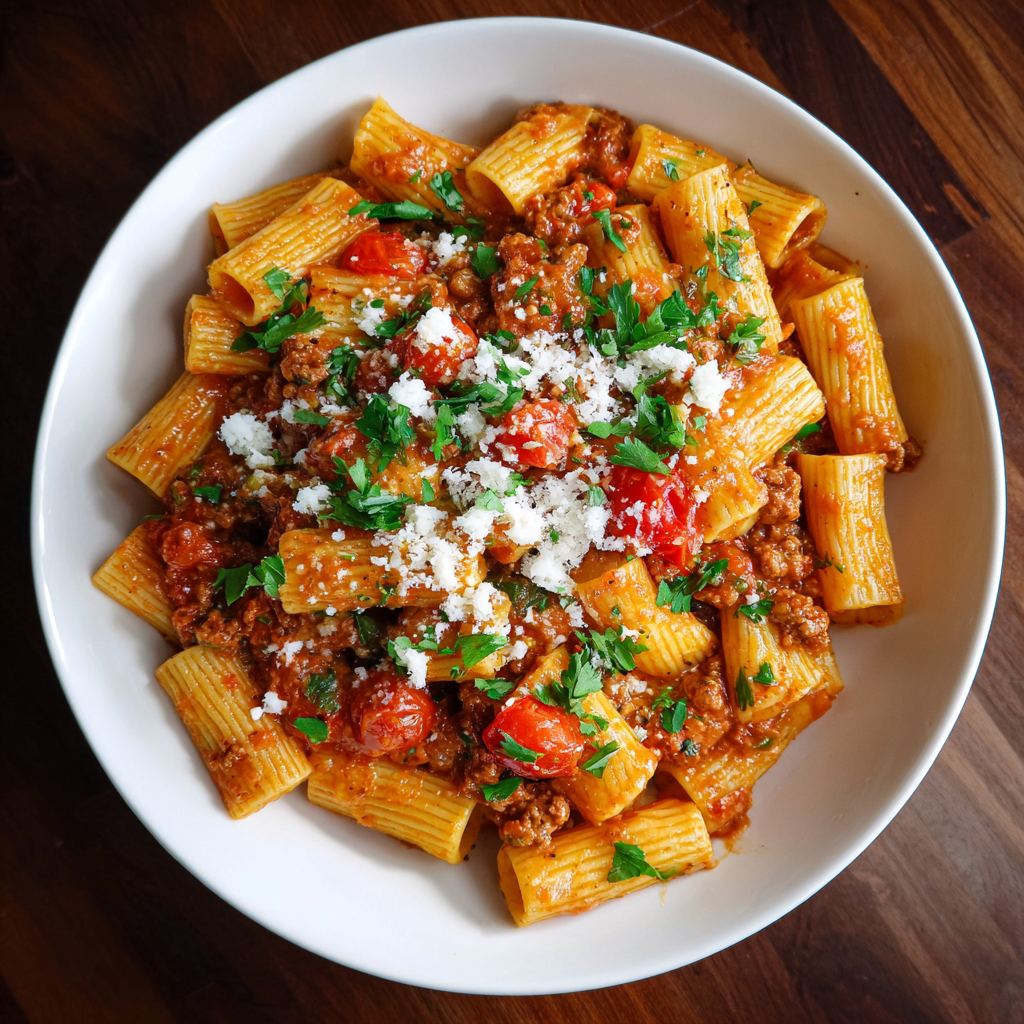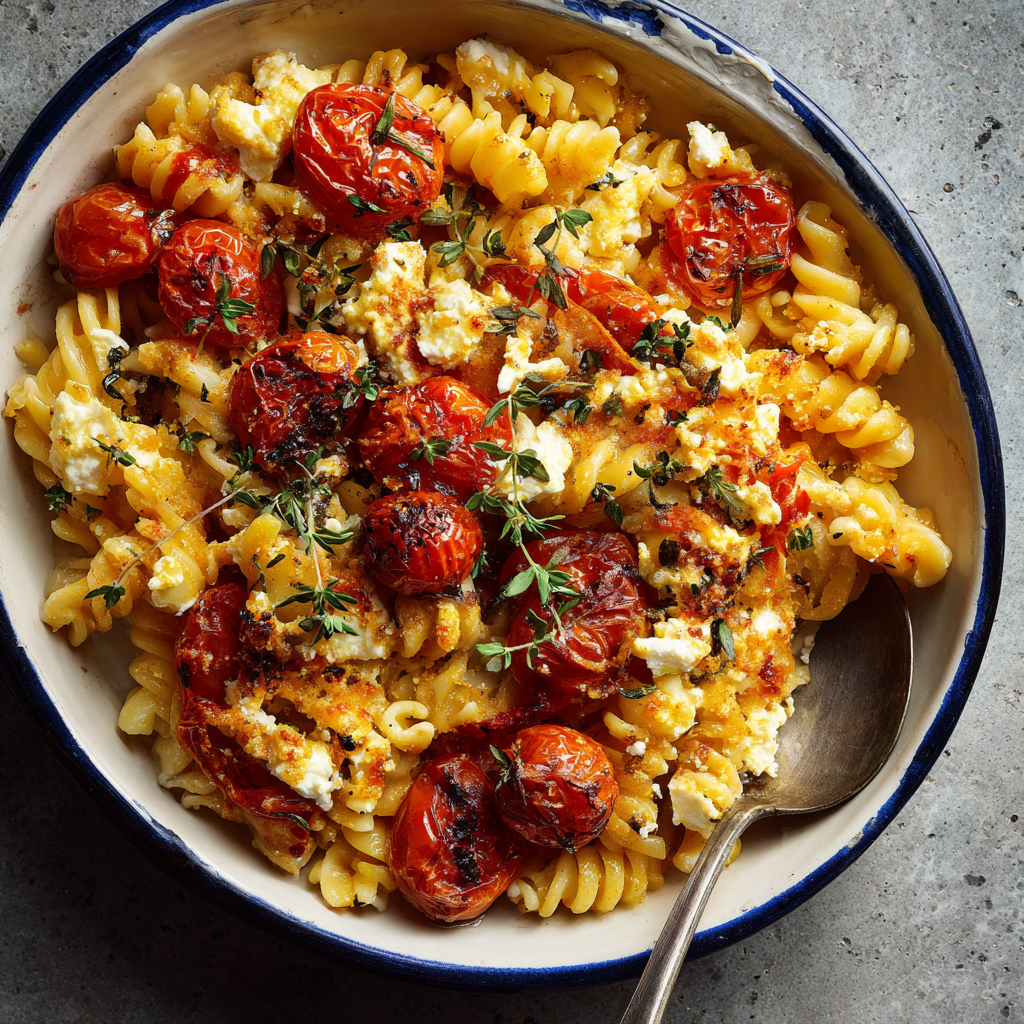
Imagine twirling perfectly cooked pasta around your fork and pulling it through a silky, dreamy sauce created from roasted cherry tomatoes that burst into a creamy, caramelized sauce, topped with a block of baked feta cheese that transforms into a luxurious, melting component that coats every strand with absolute perfection. This Valentine’s baked feta tomato pasta represents the ultimate expression of romantic simplicity and culinary elegance, transforming minimal ingredients into something genuinely extraordinary that celebrates love with Mediterranean charm and unapologetic indulgence. Next, what makes this recipe truly special is how it delivers restaurant-quality results with minimal hands-on effort and straightforward technique that any home cook can absolutely master, creating a main course that feels genuinely impressive and worthy of your most special someone. Additionally, this baked feta pasta comes together remarkably quickly with most of the cooking happening passively in the oven while you prepare other elements, making it perfect for Valentine’s Day dinners, anniversaries, date nights, or any occasion when you want to create something genuinely special without extensive preparation. Furthermore, the beauty of this recipe lies in how it delivers premium Mediterranean flavors with beautiful visual presentation and an absolutely luxurious eating experience that feels both sophisticated and comforting. Whether you’re planning an intimate dinner for two, surprising a significant other with something genuinely special, or treating yourself to something absolutely exceptional, this Valentine’s baked feta tomato pasta delivers exactly that kind of romance and indulgence in every single bite.
Ingredients
Makes: 2 servings
For the Roasted Tomato Sauce
- 1 pound cherry tomatoes, halved
- 6 cloves garlic, minced finely
- 0.25 cup olive oil
- 1 teaspoon balsamic vinegar
- 0.5 teaspoon salt
- 0.25 teaspoon black pepper
- 0.25 teaspoon red pepper flakes (optional)
- 1 teaspoon Italian seasoning
- 0.5 teaspoon sugar (optional, to balance acidity)
- 2 tablespoons fresh basil, finely chopped
- 1 tablespoon fresh parsley, finely chopped
For the Baked Feta
- 8 ounces block feta cheese
- 2 tablespoons olive oil
- 1 teaspoon fresh thyme leaves
- 0.5 teaspoon dried oregano
- 0.25 teaspoon red pepper flakes (optional)
- Pinch of sea salt
- Pinch of black pepper
For the Pasta
- 8 ounces fettuccine or pappardelle pasta
- Salt for pasta water
- 1 tablespoon reserved pasta cooking water
- 1 tablespoon unsalted butter (optional, for richness)
- Fresh lemon juice (about 0.5 tablespoon)
For Serving and Garnish
- Additional fresh basil leaves
- Fresh parsley sprigs
- Red pepper flakes
- Sea salt flakes
- Lemon wedges
- Crusty bread for dipping
- Fresh cracked black pepper
- Edible flowers (optional, for romantic presentation)
Preparation and Cooking Instructions
Preparing Your Roasted Tomato Sauce
First, preheat your oven to 400°F and position racks appropriately for simultaneous roasting of tomatoes and feta. Meanwhile, prepare a baking sheet by lining it with parchment paper or aluminum foil for easy cleanup.
Place your halved cherry tomatoes on your prepared baking sheet, cut-side up. Next, distribute your minced garlic evenly among the tomatoes, then drizzle everything with one-quarter cup of olive oil.
Sprinkle your salt, black pepper, optional red pepper flakes, Italian seasoning, and optional sugar over the tomatoes and garlic. Next, using a wooden spoon or your hands, toss everything together gently, ensuring even coating and distribution.
Place your tomato-filled baking sheet in your preheated 400°F oven and roast for approximately 25 to 30 minutes until the tomatoes begin to burst and caramelize slightly at the edges. Meanwhile, the natural sugars in the tomatoes concentrate and create a deeply flavorful sauce.
Remove your roasted tomatoes from the oven and let them cool for approximately five minutes. Next, while still warm, stir in your balsamic vinegar, fresh basil, and fresh parsley, allowing the fresh herbs to brighten all the flavors beautifully.
Preparing Your Baked Feta
While your tomatoes roast, prepare your feta block. First, place your feta cheese block in the center of a small, oven-safe baking dish or on a sheet of aluminum foil shaped to create a boat-like vessel.
Drizzle your feta generously with two tablespoons of olive oil, making sure the oil coats the entire block. Next, sprinkle with fresh thyme leaves, dried oregano, optional red pepper flakes, and pinches of sea salt and black pepper.
Set this baking dish aside temporarily, and when your tomatoes have approximately five minutes remaining in the oven, place your feta into the oven on a separate rack. Meanwhile, the feta will bake for approximately five to eight minutes until it’s warm throughout and beginning to soften and collapse slightly.
Your feta is done when it appears soft, slightly melted at the edges, and beginning to spread when nudged with a spoon. Furthermore, the exact timing depends on your oven and the size of your feta block.
Cooking Your Pasta
While your tomatoes and feta roast, bring a large pot of generously salted water to a boil, ensuring the water tastes like the sea, which seasons the pasta properly from the inside out. Next, add your fettuccine or pappardelle pasta and cook according to package directions, stirring occasionally to prevent sticking.
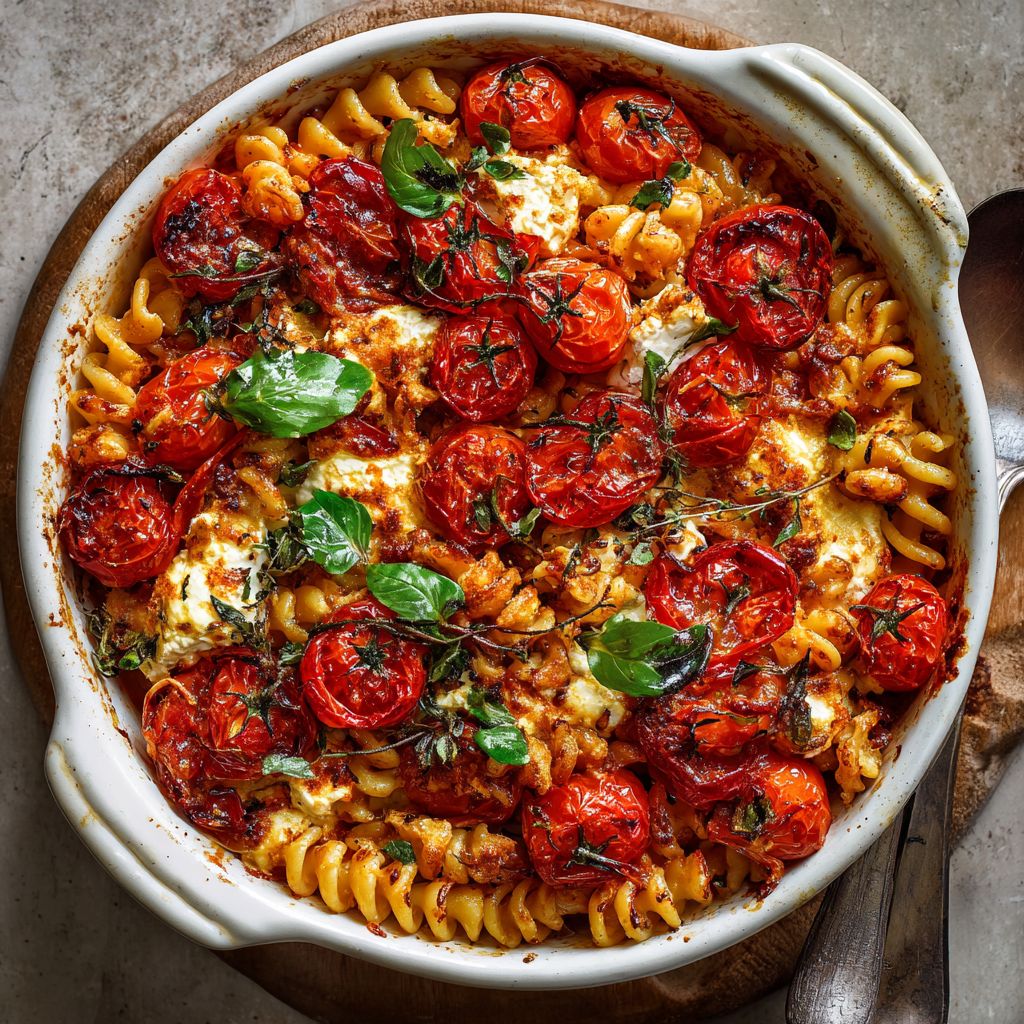
Cook until the pasta is al dente, meaning tender but still with a slight firmness when bitten, which typically takes 10 to 12 minutes for dried pasta. However, start checking for doneness at least a minute before the package suggests, as cooking times vary.
Reserve approximately one-quarter cup of the starchy pasta cooking water before draining, then drain your pasta in a colander. Meanwhile, this starchy water is incredibly important for creating a silky sauce that clings beautifully to the pasta.
Combining Everything
Transfer your drained, hot pasta to your roasted tomato mixture, tossing gently but thoroughly to combine and coat every strand with the delicious tomato sauce. As a result, you’re creating a beautifully balanced dish with silky pasta enrobed in caramelized tomato sauce.
If you’re using the optional tablespoon of unsalted butter, add it to your hot pasta and tomato mixture, stirring gently to distribute and create richness. Next, add your fresh lemon juice, which adds brightness and balances the sweetness of the roasted tomatoes.
Add your reserved pasta cooking water gradually, one tablespoon at a time, until you reach your desired sauce consistency. Furthermore, this starchy water helps create a silky sauce that clings to the pasta beautifully rather than pooling at the bottom of the bowl.
Taste your pasta and adjust seasonings with additional salt, black pepper, or fresh lemon juice as needed, creating a balanced dish that’s savory, slightly sweet, and absolutely delicious.
Final Assembly and Presentation
Divide your dressed fettuccine between two beautiful serving bowls, creating attractive presentations that showcase the beautiful tomato sauce and pasta. Next, carefully remove your baked feta from the oven using oven mitts, as the baking dish will be extremely hot.
Using a spoon, break up your warm feta block slightly, allowing it to spread and meld with your pasta. Next, divide the baked feta between the two bowls of pasta, positioning it in the center or distributing pieces throughout.
Immediately drizzle any oils and herbs from your feta baking dish over your pasta and feta, creating additional richness and flavor. Meanwhile, this step ensures you don’t waste any of the delicious infused oil.
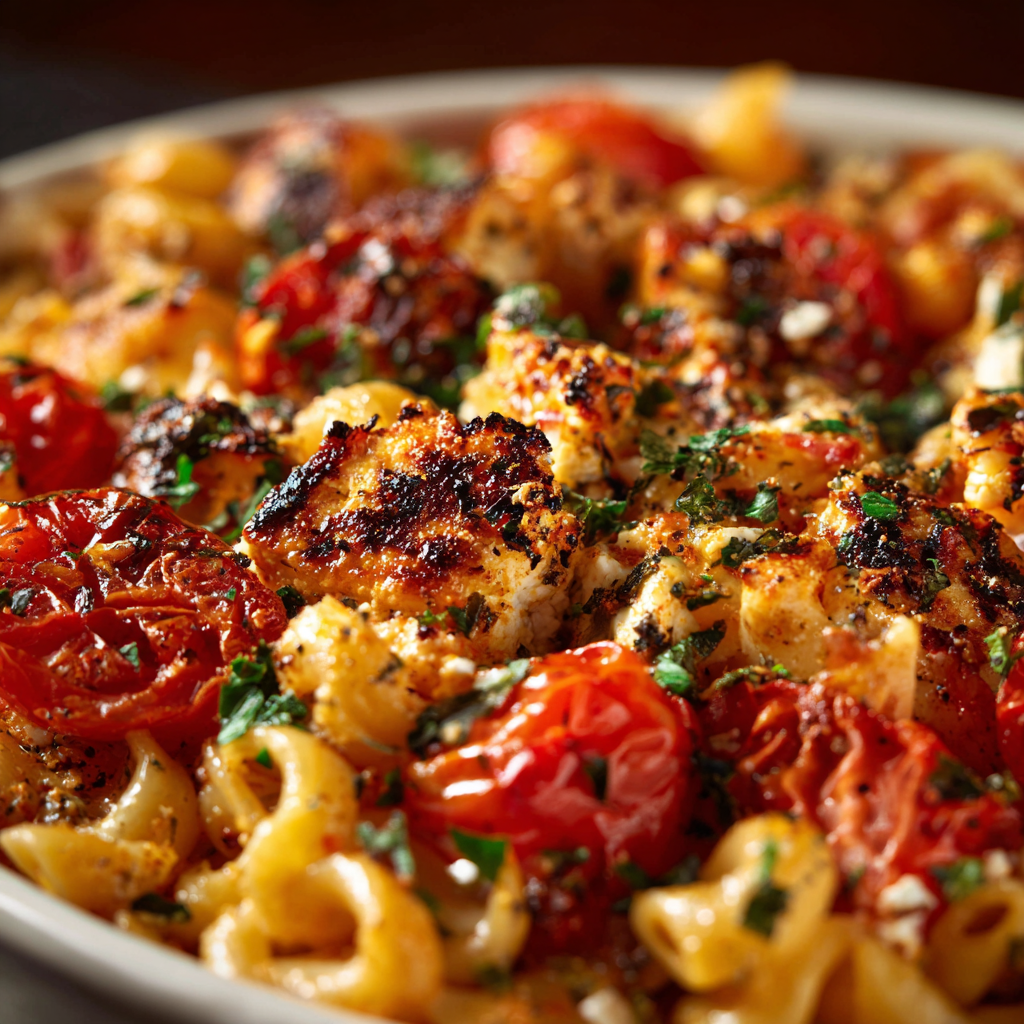
Garnish with additional fresh basil leaves, fresh parsley sprigs, optional red pepper flakes for heat and color, and sea salt flakes. Furthermore, position a lemon wedge on the side of each bowl for brightness and additional seasoning if desired.
Serve immediately while the feta is still warm and melting, and the pasta maintains its ideal temperature. Additionally, provide crusty bread on the side for sopping up the delicious tomato and feta-infused sauce, which is absolutely worth not wasting.
Serving and Storing Tips
Serving Suggestions
Serve this Valentine’s baked feta tomato pasta as an elegant main course for Valentine’s Day dinners, anniversaries, date nights, or any special occasion when you want to celebrate love and romance with something genuinely exceptional. Next, present each serving on beautiful plates or bowls with careful attention to garnish and presentation, creating a dining experience that feels genuinely luxurious and restaurant-quality.
Pair with a crisp white wine such as Sauvignon Blanc, Pinot Grigio, or Greek white wine, which complements the tangy feta and fresh tomatoes beautifully. Additionally, serve alongside a fresh green salad with light vinaigrette to provide freshness and balance to the rich, creamy pasta.
This baked feta pasta works beautifully for intimate dinners for two, creating a Mediterranean atmosphere and upscale restaurant-quality dining at home. Furthermore, it’s the perfect choice for celebrating love with someone special, delivering everything fine Mediterranean dining promises in your own intimate space.
For a complete meal experience, serve with crusty bread for sopping up the delicious sauce, and consider offering a light dessert such as panna cotta or fresh berries to conclude the meal on a sweet note.
Storage Tips
This Valentine’s baked feta tomato pasta is best enjoyed immediately after preparation while the feta is still warm and melting, and the pasta maintains its ideal temperature and texture. However, you can refrigerate any leftovers in an airtight container for up to two days, though the texture will change as the pasta absorbs sauce.
When you’re ready to enjoy the leftovers, reheat gently in a large skillet over medium-low heat, stirring frequently and adding a splash of water or vegetable broth to restore sauce consistency. Next, avoid using the microwave for reheating, which can cause uneven heating and separation of components.
You can prepare your roasted tomato sauce completely up to one day in advance and store it in an airtight container in the refrigerator. Meanwhile, the flavors actually improve as they meld together overnight. Next, simply reheat gently on the stovetop just before cooking your pasta and baking your feta.
You can also prepare all components separately and store them in airtight containers in the refrigerator for up to one day. Next, simply reheat before assembly for a fresh, luxurious finish that minimizes last-minute stress.
For longer-term storage, freeze your roasted tomato sauce in a freezer-safe container for up to one month. Meanwhile, thaw overnight in the refrigerator and reheat gently on the stovetop before combining with freshly cooked pasta and fresh baked feta.
Helpful Notes and Tips
Ingredient Substitutions and Variations
If you don’t have cherry tomatoes available, use grape tomatoes, heirloom tomatoes, or Roma tomatoes cut into bite-sized pieces. Next, the roasting time may vary slightly depending on your tomato variety and size.
For a lighter version, reduce the amount of olive oil in both the tomato sauce and feta preparation, relying on the natural richness of the melting cheese. Additionally, this simple adjustment reduces fat content while maintaining excellent flavor.
You can customize your roasted tomato sauce by adding fresh herbs such as oregano, thyme, or rosemary for different Mediterranean flavor profiles. Meanwhile, these additions provide exciting variations while maintaining the basic pasta structure.
For a spicier version, increase the red pepper flakes or add fresh jalapeños diced finely to your tomato mixture for heat without overpowering the delicate feta. Additionally, you can finish by drizzling with hot sauce for additional customizable heat.
The feta cheese can be replaced with other cheeses such as goat cheese, ricotta, or halloumi for different flavor profiles. Next, each creates completely different taste experiences while maintaining the concept of warm melting cheese with pasta.
Common Mistakes to Avoid
One frequent error is over-roasting the tomatoes until they’re completely burst and turn to jam, which creates an overly concentrated sauce lacking texture. Instead, roast until they’re just beginning to burst and caramelize at the edges, maintaining some structure.
Additionally, avoid under-cooking the feta, which prevents it from softening and melting into the pasta beautifully. Furthermore, five to eight minutes at 400°F is typically adequate, though exact timing depends on your feta block size.
Another common mistake involves adding the feta to hot pasta before it’s warmed through, which doesn’t allow proper melting. Instead, bake your feta simultaneously with final pasta cooking so everything is at ideal temperature for combining.
Do not skip the fresh herbs, which brighten the naturally sweet roasted tomatoes and prevent the dish from becoming one-dimensional. Furthermore, fresh basil and parsley are absolutely crucial for achieving the sophisticated flavor profile.
Avoid using low-fat feta, which doesn’t melt as beautifully and creates a grainy texture instead of the luxurious, creamy consistency that defines this dish. Instead, use full-fat feta cheese for optimal results.
Time-Saving Tips
Prepare your roasted tomato sauce completely up to one day before serving, storing it in an airtight container in the refrigerator. Next, reheat gently on the stovetop just before cooking your pasta, which reduces your final preparation time significantly.
Purchase pre-minced garlic from your grocery store if available, which saves preparation time without sacrificing quality. Meanwhile, this simple shortcut is well worth the minimal extra cost for the time saved.
Have all your ingredients prepared and measured before you begin cooking, which allows quick, efficient execution once you start. Additionally, this mise en place approach keeps your workflow smooth and prevents last-minute stress.
Use a pasta that cooks quickly such as angel hair or thin fettuccine, reducing overall cooking time. Meanwhile, these thinner pastas pair beautifully with the delicate tomato and feta sauce.
Chef Tips for Success
First, the secret to exceptional baked feta tomato pasta lies in proper roasting of the tomatoes to develop concentrated, caramelized flavors. Additionally, roasting rather than simmering creates a sauce with complex depth that elevates the entire dish.
Furthermore, using quality feta cheese that’s full-fat and creamy makes an enormous difference in final results. Meanwhile, premium feta creates luxurious melting texture that simple, lower-quality versions cannot achieve.
Next, combining the hot pasta with warm tomato sauce and simultaneously baking feta ensures everything reaches ideal temperature for combining. Additionally, this timing is crucial for achieving the perfect, elegant dish.
For the most beautiful presentation, serve in warmed bowls with careful arrangement of pasta and artful placement of feta. Moreover, this attention to detail transforms already impressive pasta into something that looks truly restaurant-quality.
Frequently Asked Questions
Can I make this dish with a different type of cheese instead of feta? Absolutely! Goat cheese, ricotta, or halloumi all work beautifully; however, the flavor and texture will differ, creating different taste profiles.
What’s the best way to prevent the roasted tomatoes from over-reducing to jam? Watch carefully and remove from the oven when tomatoes are just beginning to burst and caramelize at edges; avoid leaving them too long.
Can I prepare the feta ahead and just reheat it before serving? Yes, you can bake the feta ahead and refrigerate it; simply reheat gently in the oven at 350°F for three to five minutes until warm and melting again.
How do I adjust this recipe if I prefer less garlic or additional vegetables? Simply reduce the garlic in the roasted tomato mixture, or add additional vegetables such as zucchini or bell peppers to roast alongside tomatoes.
Can I use jarred roasted red peppers in addition to tomatoes for extra flavor? Absolutely! Jarred roasted red peppers add sweetness and visual appeal; simply add them to your tomato mixture before roasting.
Final Thoughts
This Valentine’s baked feta tomato pasta represents the perfect balance between Mediterranean simplicity and elegant sophistication, transforming minimal ingredients into something genuinely extraordinary that celebrates love and romance with unapologetic indulgence. Next, it proves that creating restaurant-quality meals at home doesn’t require complicated techniques or extensive ingredient lists, but rather quality components and proper methodology executed with care and attention.
Furthermore, the combination of caramelized roasted tomatoes, luxuriously melting baked feta, silky pasta, and elegant presentation creates an absolutely indulgent yet sophisticated dining experience that makes any occasion feel genuinely special and romantic. The next time you want to show someone how much they mean to you or celebrate a special occasion, remember that this Valentine’s baked feta tomato pasta delivers everything you need: incredible flavor, stunning visual presentation, straightforward preparation, and the kind of thoughtfulness that makes moments genuinely memorable.
So gather your cherry tomatoes, quality feta cheese, and fresh herbs, and get ready to create a dining experience that celebrates the special people in your life with this absolutely irresistible, stunningly delicious, genuinely unforgettable Valentine’s baked feta tomato pasta.
Did you love this recipe? If Valentine’s Baked Feta Tomato Pasta has become your new special occasion dinner favorite, please save this recipe, pin it to your Pinterest board, and share it with friends and family who would love it! Your support means everything to us and helps us create more delicious recipes that bring people together. Thank you for cooking with us!