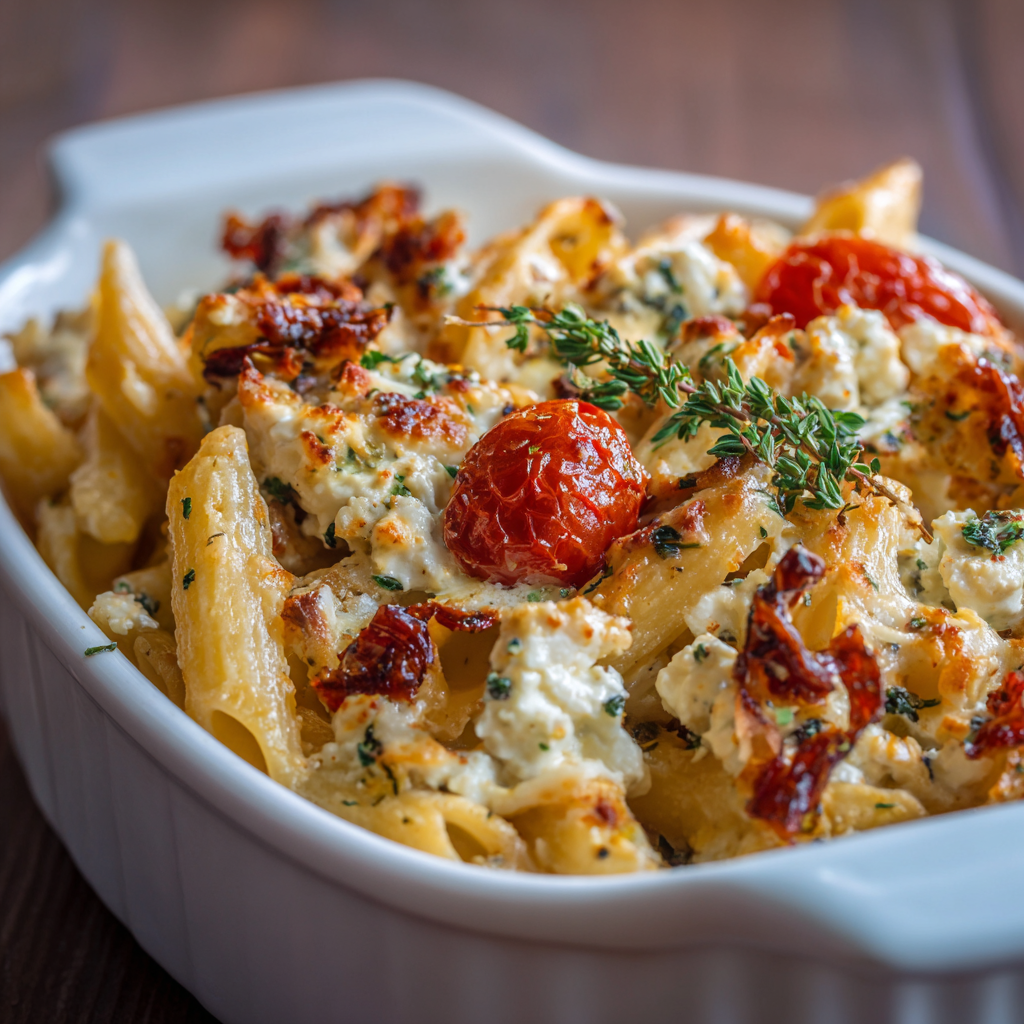
When winter evenings demand something warm, comforting, and ridiculously easy to prepare, nothing delivers quite like this viral baked feta pasta that transforms a few simple ingredients into creamy, luxurious comfort food through the magic of oven roasting. This trendy dish combines sweet cherry tomatoes, creamy feta cheese, and aromatic garlic into a sauce that practically makes itself while you relax, then gets tossed with pasta for a meal that tastes like you spent hours cooking. What makes this recipe truly exceptional is how the intense oven heat transforms ordinary ingredients into something extraordinary—the tomatoes burst and caramelize, the feta becomes impossibly creamy, and everything melds together into a silky sauce that coats pasta beautifully. The combination of tangy feta, sweet roasted tomatoes, fresh basil, and al dente pasta creates layers of flavor that make this humble dish taste remarkably sophisticated. Whether you’re cooking for yourself on a busy weeknight, feeding your family with minimal effort, or impressing guests with how effortlessly elegant this meal looks, baked feta pasta delivers satisfaction that defines modern comfort food. Best of all, it requires just ten minutes of hands-on time, uses ingredients you probably already have, and creates minimal cleanup since everything happens in one baking dish.
Ingredients
This recipe makes 4 servings.
For the Baked Feta:
- 2 pints (4 cups) cherry or grape tomatoes
- 1 block (8 ounces) feta cheese
- 1/3 cup extra virgin olive oil
- 4 cloves garlic, smashed
- 1/2 teaspoon red pepper flakes (or to taste)
- 1 teaspoon dried oregano
- 1/2 teaspoon salt
- 1/2 teaspoon black pepper
- Fresh thyme sprigs (optional)
For the Pasta:
- 12 ounces pasta (penne, rigatoni, or orecchiette work best)
- 1 tablespoon salt (for pasta water)
- 1/2 cup reserved pasta water
For Finishing:
- 1 cup fresh basil leaves, torn
- 2 tablespoons fresh lemon juice
- Extra virgin olive oil for drizzling
- Freshly grated Parmesan cheese (optional)
- Additional red pepper flakes
- Lemon zest for garnish
Instructions
- Preheat your oven to 400°F and position the rack in the center.
- Place the cherry tomatoes in a 9×13-inch baking dish, spreading them evenly.
- Place the block of feta cheese in the center of the tomatoes.
- Scatter the smashed garlic cloves around the feta and tomatoes.
- Drizzle the olive oil over the tomatoes, feta, and garlic generously.
- Sprinkle the red pepper flakes, oregano, salt, and black pepper over everything.
- Add fresh thyme sprigs if using, tucking them among the tomatoes.
- Bake uncovered for 35 to 40 minutes until the tomatoes burst and the feta softens.
- Check that the tomatoes are blistered and the feta is golden on top.
- Meanwhile, bring a large pot of salted water to a boil for the pasta.
- Add the pasta when the feta has about 15 minutes left to bake.
- Cook the pasta according to package directions until al dente.
- Reserve 1 cup of pasta water before draining.
- Drain the pasta and set aside while the feta finishes baking.
- Remove the baking dish from the oven when the feta is golden and tomatoes are bursting.
- Discard the thyme sprigs if you used them.
- Use a fork to mash and stir the feta and tomatoes together vigorously.
- Continue stirring until a creamy, cohesive sauce forms.
- Add the fresh lemon juice and stir to incorporate.
- Add the drained pasta to the baking dish with the sauce.
- Toss everything together thoroughly, coating all the pasta with sauce.
- Add splashes of reserved pasta water to loosen the sauce if it seems too thick.
- Continue tossing until the pasta is evenly coated and the sauce clings beautifully.
- Stir in the torn fresh basil leaves, reserving some for garnish.
- Taste and adjust seasonings, adding more salt, pepper, or lemon juice as needed.
- Transfer the pasta to serving bowls or a large serving dish.
- Drizzle with extra virgin olive oil for shine and richness.
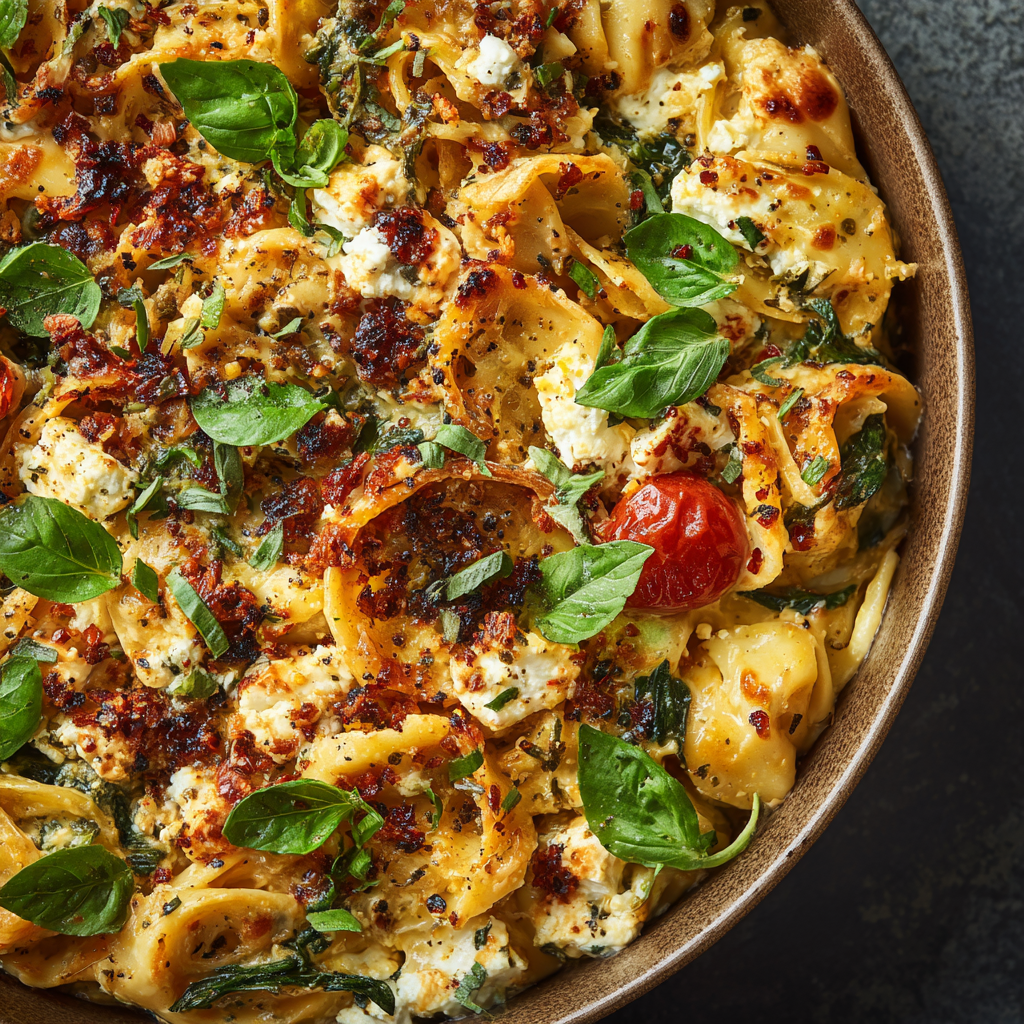
- Garnish with remaining basil, lemon zest, Parmesan if using, and red pepper flakes.
- Serve immediately while hot and creamy.
Understanding the Viral Phenomenon
This baked feta pasta recipe took social media by storm in 2021, becoming one of the most viral food trends in recent memory. The Finnish food blogger Jenni Häyrinen originally created this dish called “uunifetapasta” in 2018, but it exploded globally when TikTok creator MacKenzie Smith shared her version. The recipe’s appeal lies in its remarkable simplicity combined with impressive results—even complete beginners can make restaurant-quality pasta with minimal effort or skills required.
The genius of this method comes from letting the oven do all the work while you do practically nothing. No chopping beyond smashing garlic, no stirring on the stovetop, no complicated sauce-making techniques—just arrange ingredients in a dish, bake, and stir. This hands-off approach makes cooking feel effortless rather than like a chore, which explains why so many people who normally avoid cooking embraced this recipe enthusiastically. Furthermore, the visual transformation is incredibly satisfying to watch and photograph, making it perfect for social media sharing.
Beyond the trendy appeal, this recipe actually delivers genuinely delicious results that justify its popularity. The high oven heat causes the tomatoes to burst and concentrate their sweetness, creating natural sauce that needs no additional ingredients. Meanwhile, the feta transforms from crumbly cheese into creamy, tangy sauce that provides luxurious texture. Together, these elements create complexity that belies the simple ingredient list, proving that good cooking doesn’t always require complexity or extensive technique.
Choosing the Right Ingredients
Selecting quality ingredients makes enormous difference since this recipe relies on so few components. Use authentic Greek or Bulgarian feta cheese in brine rather than pre-crumbled varieties, which often contain anti-caking agents that prevent proper melting. The block feta should feel firm but give slightly when pressed, indicating proper moisture content. Additionally, feta in brine tends to be saltier and tangier than packaged crumbles, contributing more character to the final sauce.
Cherry or grape tomatoes work better than larger varieties because their high surface area to volume ratio allows them to burst and caramelize beautifully during roasting. Choose tomatoes that feel firm and smell sweet and tomatoey—avoid any that feel mushy or lack aroma. During winter when fresh tomatoes aren’t at their peak, this recipe actually works wonderfully since the roasting process concentrates whatever flavor the tomatoes have, making even mediocre winter tomatoes taste sweet and delicious.
Quality extra virgin olive oil matters significantly since it provides so much of the final flavor. Choose olive oil you’d be happy drizzling directly on bread or salad, not cooking-grade oil that tastes harsh or bland. The olive oil carries the flavors of the garlic, herbs, and feta while contributing its own fruity, peppery notes. Using cheap oil means missing out on layers of flavor that make this simple dish taste special rather than just acceptable.
Mastering the Roasting Process
Roasting at 400°F provides the ideal temperature for bursting tomatoes and softening feta without burning anything. Higher temperatures risk burning the garlic or creating bitter flavors, while lower temperatures take too long and don’t achieve the same caramelization. The tomatoes should blister, burst, and even char slightly in spots, creating concentrated sweetness and complex roasted flavors. Meanwhile, the feta should become golden on top and impossibly creamy throughout while maintaining enough structure to stir into sauce.
The placement of ingredients in the baking dish matters more than you might expect. Putting the feta in the center surrounded by tomatoes ensures even heating and prevents the cheese from drying out or becoming too brown. The tomatoes essentially baste the feta as they release their juices, creating moisture that helps everything meld together. Additionally, spacing the tomatoes in a single layer rather than piling them ensures even roasting where each tomato gets direct heat exposure.
Knowing when the dish is done requires visual assessment rather than just following timing. The tomatoes should be burst and blistered with some charred spots, the feta should be golden brown on top and soft when poked with a fork, and the olive oil should be bubbling and aromatic. If the tomatoes haven’t burst after 40 minutes, increase the temperature to 425°F and bake 5 more minutes. Conversely, if things are browning too quickly, reduce heat slightly. These adjustments account for oven variations and ensure perfect results every time.
Creating the Creamy Sauce
The transformation from baked ingredients to creamy sauce happens through vigorous stirring that emulsifies everything together. Using a fork or potato masher, break down the feta and tomatoes completely, pressing and stirring until no large chunks remain. This aggressive mixing creates an emulsion where the olive oil, tomato juices, and creamy feta combine into cohesive sauce rather than separate components. The more thoroughly you stir, the creamier and more integrated your sauce will become.
Adding lemon juice before stirring in the pasta brightens the rich, tangy flavors and helps balance the saltiness of the feta. This acidity also helps emulsify the sauce by creating an environment where fats and water-based liquids combine more readily. Just a couple tablespoons make the difference between sauce that tastes heavy and one-dimensional versus one that tastes vibrant and complex. The lemon also enhances the tomato flavor, making it taste more intense and fresh.
The reserved pasta water plays a crucial role in achieving proper sauce consistency. This starchy water helps loosen the thick sauce while providing starches that help it cling to pasta. Add it gradually—start with 1/4 cup and add more as needed until the sauce reaches that glossy, coating consistency where it clings to pasta without being thick or gloppy. The sauce should flow when you stir but immediately coat the pasta rather than pooling at the bottom of the dish.
Serving and Storing Tips
Serving Tips
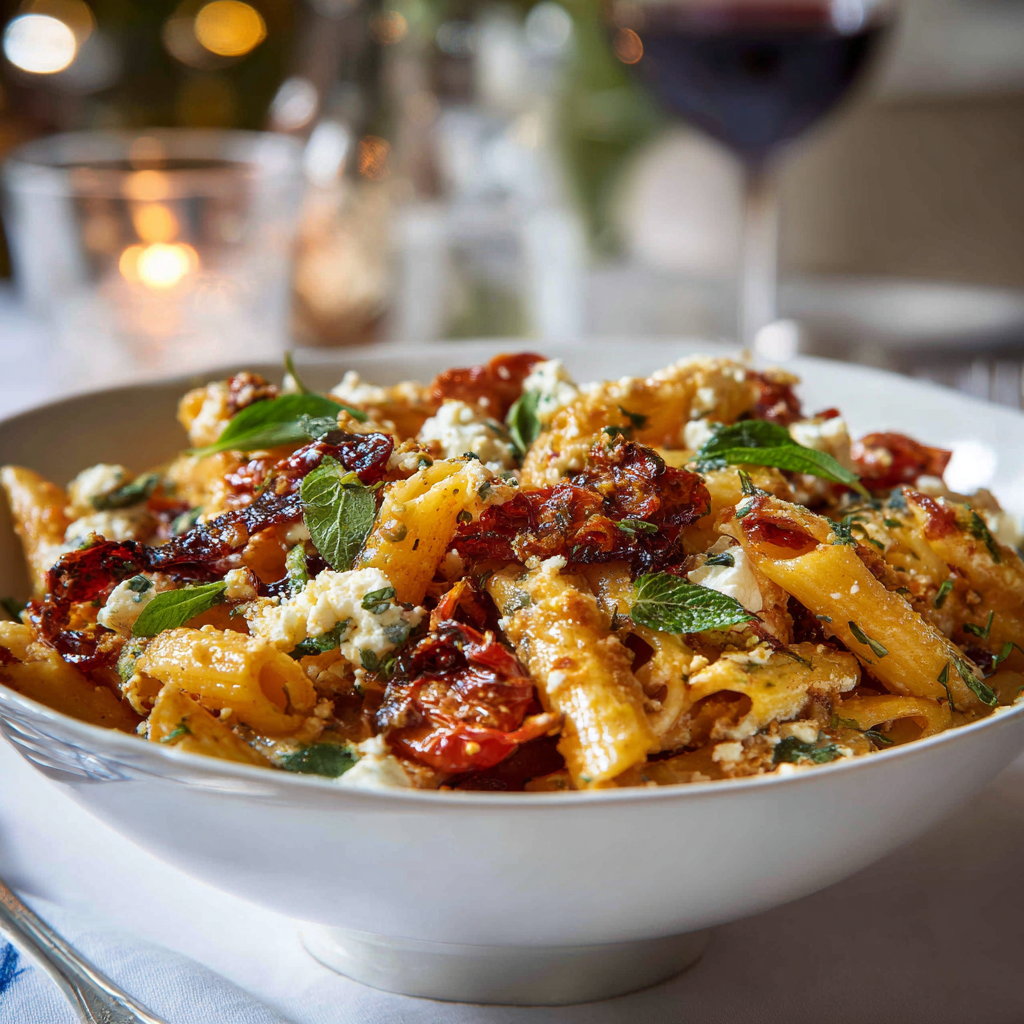
Serve this baked feta pasta immediately while it’s hot and the sauce is at its creamiest consistency. The pasta tastes best fresh from the oven when the textures and temperatures are perfect. Twirling pasta into nests on individual plates creates restaurant-style presentation that makes this simple dish look impressive. Alternatively, serve family-style in a large shallow bowl where everyone can help themselves, which creates casual, convivial atmosphere perfect for cozy winter dinners.
Simple accompaniments complement without overwhelming this flavorful pasta. A crisp green salad with lemon vinaigrette provides refreshing contrast to the rich pasta. Garlic bread or crusty Italian bread soaks up any extra sauce beautifully. Roasted vegetables like broccoli, asparagus, or Brussels sprouts add color and nutrition that balance the meal. Additionally, a glass of crisp white wine like Sauvignon Blanc or Pinot Grigio cuts through the richness and enhances the bright tomato and lemon flavors.
For entertaining, this pasta works wonderfully since you can have it nearly finished before guests arrive. Bake the feta and tomatoes ahead, then simply boil pasta and toss everything together just before serving. This timing allows you to actually spend time with guests rather than being stuck in the kitchen. Furthermore, the impressive presentation and delicious taste make you look like a skilled chef despite the minimal effort required.
Storage Tips
Store leftover baked feta pasta in airtight containers in the refrigerator for up to 3 days. The sauce will thicken considerably as it cools and the pasta continues absorbing liquid, which is completely normal. When reheating, add splashes of water, broth, or olive oil to loosen the sauce and restore creamy consistency. Heat gently on the stovetop over medium-low heat, stirring frequently, or microwave in 1-minute intervals with added liquid.
The pasta reheats more successfully than many cream-based dishes because the feta-tomato sauce doesn’t separate or break as easily as traditional cream sauces. However, the fresh basil will wilt and darken during storage, so consider adding fresh basil when reheating rather than storing it in the pasta. This approach keeps the bright, fresh flavors prominent rather than having dull, cooked-tasting herbs throughout the leftovers.
Freezing this pasta isn’t generally recommended because the feta can become grainy and the pasta texture suffers when frozen and thawed. If you must freeze it, do so within 24 hours of cooking and consume within 2 months. Thaw overnight in the refrigerator before reheating gently with added liquid. However, since this recipe comes together so quickly, making it fresh whenever you want it is usually more practical than dealing with frozen leftovers that won’t taste quite as good.
Helpful Notes
Making this recipe even easier involves minimal shortcuts that save time without affecting quality. Use pre-minced garlic from a jar if fresh garlic feels too fussy for a weeknight. Buy pre-washed cherry tomatoes to eliminate rinsing and drying. Choose quick-cooking pasta shapes like angel hair or thin spaghetti to reduce boiling time. These modifications make an already-easy recipe practically effortless while still producing delicious results.
For those wanting to boost nutrition without changing the recipe’s character, several additions enhance the dish. Stir in fresh spinach or arugula at the end, which wilts from residual heat and adds vitamins and color. Add white beans for extra protein and fiber that complement the Mediterranean flavors. Include sun-dried tomatoes for concentrated tomato flavor and chewy texture. Sprinkle toasted pine nuts for crunch and healthy fats. These additions transform the pasta into a more complete, balanced meal.
Customizing the flavor profile keeps baked feta pasta interesting across multiple preparations. Greek-inspired version adds kalamata olives, oregano, and lemon. Spicy variation increases red pepper flakes and adds calabrian chili paste. Herby version incorporates fresh thyme, rosemary, and parsley. Protein-boosted option includes grilled chicken or shrimp stirred in at the end. These variations showcase the recipe’s versatility and prevent boredom from eating the same preparation repeatedly.
Common mistakes include using too little olive oil, not roasting long enough, or skipping the pasta water. Generous oil is essential for creating proper sauce consistency and carrying flavors. Let the tomatoes truly burst and the feta brown—don’t pull it out too early. Always reserve pasta water since it’s crucial for achieving that glossy, clingy sauce that defines great pasta dishes. These simple precautions ensure restaurant-quality results rather than disappointing outcomes.
Chef Tips
Professional chefs know that smashing garlic cloves rather than mincing them whole creates more mellow, sweet flavor since less surface area is exposed to direct heat. The smashed cloves infuse their flavor into the oil without burning or becoming bitter the way minced garlic might. Additionally, leaving garlic in larger pieces makes them easier to fish out if you prefer not to eat whole garlic pieces, though they become sweet and soft enough to mash into the sauce if desired.
Another expert technique involves drizzling the finished pasta with high-quality finishing oil rather than cooking oil. This final touch of luxurious, fruity olive oil adds aroma and flavor that cooking diminishes. Just a small drizzle over each serving creates restaurant polish and makes the dish taste more refined and special. This simple habit elevates countless pasta dishes from good to genuinely exceptional with minimal effort or expense.
Frequently Asked Questions
Can I use a different cheese instead of feta? Goat cheese works wonderfully and creates even creamier sauce; ricotta also works but produces different texture and milder flavor.
Why didn’t my feta get creamy? You may have used pre-crumbled feta instead of a block, or it needed more roasting time; ensure the feta is very soft before stirring.
Can I make this with dried tomatoes instead of fresh? Fresh cherry tomatoes are essential for this method; their moisture creates the sauce base that dried tomatoes cannot provide.
What pasta shapes work best? Short, ridged shapes like penne, rigatoni, or orecchiette hold sauce beautifully; avoid long, smooth pasta like spaghetti which doesn’t grab sauce as well.
Can I make this dish vegan? Use vegan feta cheese (several brands exist) or cashew cream cheese; the result will be different but still delicious with the roasted tomatoes.
Embracing Easy, Delicious Cooking
This baked feta pasta represents a fundamental shift in how we think about cooking—proving that impressive, delicious meals don’t require complexity or extensive time. The recipe demonstrates how modern cooking can be both effortless and genuinely satisfying, removing barriers that often prevent people from cooking at home. When you realize you can make restaurant-quality pasta with ten minutes of hands-on work, cooking suddenly feels accessible rather than intimidating or burdensome.
The practical advantages of this recipe extend beyond simplicity to include remarkable crowd-pleasing reliability. This pasta appeals universally—vegetarians love it, picky eaters devour it, and sophisticated palates appreciate its elegant simplicity. Furthermore, the recipe scales beautifully for feeding two people or twenty, making it valuable for various scenarios from solo dinners to large gatherings. This versatility makes baked feta pasta one of the most useful recipes in your winter cooking repertoire.
As viral food trends go, this one deserves its popularity because it actually delivers on its promises. Unlike gimmicky recipes that look good on social media but disappoint in reality, baked feta pasta truly tastes as good as it looks while being genuinely easy to prepare. This authenticity explains why the recipe has staying power beyond its initial viral moment—people continue making it because it consistently delivers satisfaction without frustration.
The simple act of pulling this bubbling, aromatic dish from your oven and stirring it into creamy pasta creates satisfaction that extends beyond eating. These moments of easy cooking success build confidence and make you more likely to cook again, creating positive momentum toward healthier, more enjoyable eating patterns. Baked feta pasta isn’t just a trendy recipe—it’s a gateway to discovering that good cooking can be simple, fun, and deeply rewarding.
Did this Winter Baked Feta Pasta live up to the viral hype in your kitchen? If you loved how easy it was to make, how creamy and delicious the sauce turned out, and how it became an instant favorite in your household, we’d be thrilled if you could save this recipe for regular rotation, pin it to your easy dinner Pinterest board, or share it with friends who need simple, impressive meals. Your support and enthusiasm inspire us to continue creating and sharing recipes that make cooking approachable and enjoyable for everyone. Tell us in the comments what variations you tried and whether this became your new weeknight go-to—we love hearing about your pasta adventures!