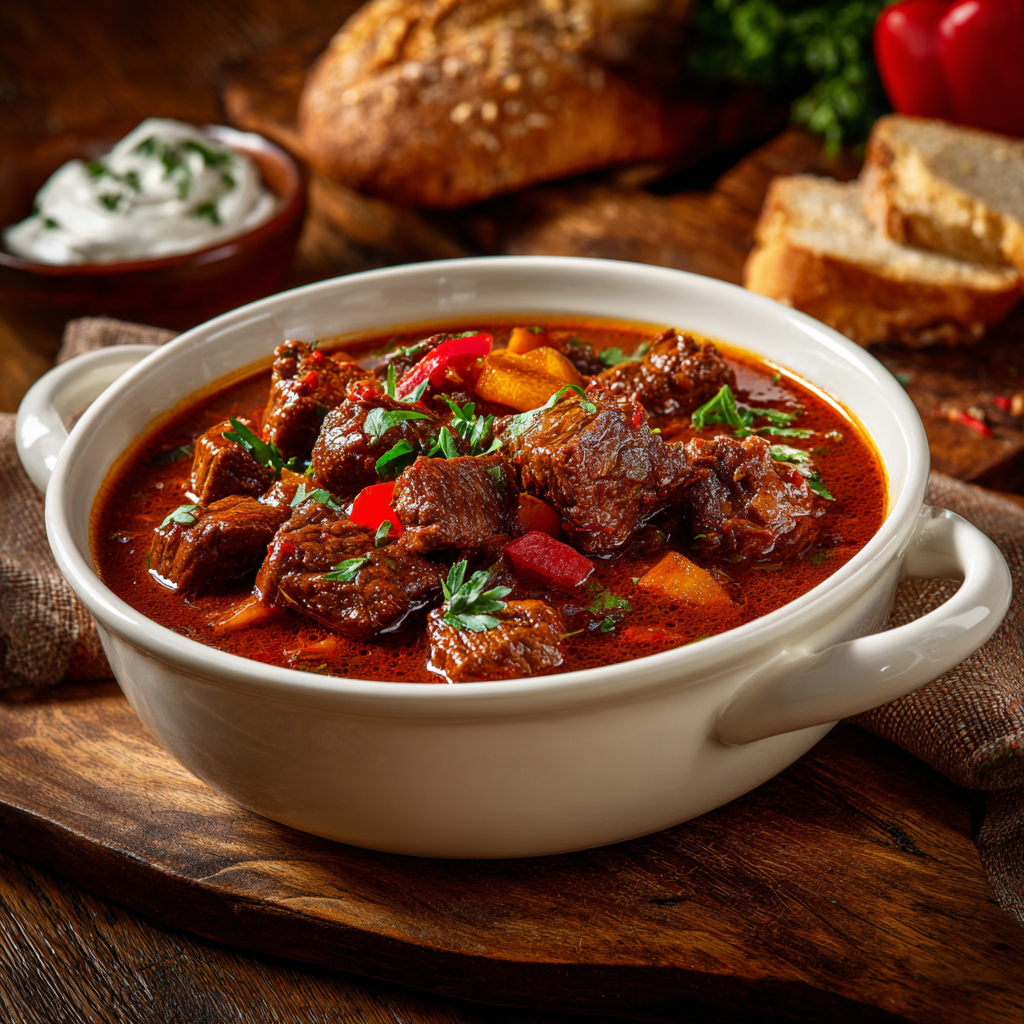
When winter evenings call for something deeply comforting and soul-warming, this traditional beef goulash delivers rich, savory flavors and tender meat that make cold weather feel cozy rather than dreary. Slow-simmered beef melts into a paprika-infused sauce that’s both hearty and sophisticated, creating a dish that feels like a warm hug in a bowl. What makes this goulash truly special is how simple ingredients transform through patient cooking into something extraordinary that tastes like it required far more effort than it actually does. The combination of tender beef, sweet peppers, aromatic onions, and warming spices creates layers of flavor that develop and deepen with every minute of simmering, resulting in a stew that satisfies on every level. Whether you’re feeding a hungry family on a frigid night, preparing meals for the week ahead, or looking for an impressive dish to serve guests, this goulash delivers authentic comfort food that warms both body and spirit while filling your home with irresistible aromas.
Ingredients
This recipe makes 6 servings.
- 2.5 pounds beef chuck roast, cut into 1.5-inch cubes
- 2 teaspoons salt, divided
- 1 teaspoon black pepper
- 3 tablespoons olive oil, divided
- 2 large yellow onions, diced
- 3 cloves garlic, minced
- 3 tablespoons sweet Hungarian paprika
- 1 teaspoon smoked paprika
- 1 teaspoon caraway seeds
- 1/2 teaspoon dried marjoram
- 2 tablespoons tomato paste
- 2 red bell peppers, cut into 1-inch pieces
- 2 yellow bell peppers, cut into 1-inch pieces
- 3 cups beef broth
- 1 can (14.5 ounces) diced tomatoes with juice
- 2 bay leaves
- 2 tablespoons all-purpose flour
- 1/4 cup water
- 2 teaspoons red wine vinegar
- Fresh parsley for garnish
- Sour cream for serving (optional)
Instructions
- Pat the beef cubes completely dry with paper towels to remove surface moisture that would prevent proper browning.
- Season the beef generously with 1 teaspoon salt and the black pepper, tossing to coat all sides evenly.
- Heat 2 tablespoons of olive oil in a large Dutch oven or heavy-bottomed pot over medium-high heat until shimmering.
- Add half the beef cubes in a single layer, making sure pieces don’t touch or crowd the pan.
- Sear the beef for 3 to 4 minutes without moving, allowing a deep brown crust to form on the bottom.
- Flip each piece and brown the opposite side for another 3 minutes, then transfer to a clean plate.
- Add the remaining beef to the pot and repeat the browning process, then remove and set aside with the first batch.
- Reduce the heat to medium and add the remaining tablespoon of olive oil to the pot.
- Add the diced onions to the pot, stirring to scrape up any browned bits stuck to the bottom.
- Cook the onions for 8 to 10 minutes, stirring occasionally, until they’re soft and beginning to turn golden.
- Stir in the minced garlic and cook for 30 seconds until fragrant but not burned.
- Add the sweet paprika, smoked paprika, caraway seeds, and marjoram, stirring constantly for 30 seconds to toast the spices.
- Stir in the tomato paste and cook for 1 minute, allowing it to caramelize slightly and deepen in flavor.
- Add the bell peppers to the pot and stir to coat them with the aromatic onion and spice mixture.
- Pour in the beef broth and diced tomatoes with their juice, stirring to combine all the ingredients.
- Return the browned beef along with any accumulated juices to the pot and add the bay leaves.
- Bring the mixture to a boil over high heat, then immediately reduce to low and cover the pot with a lid.
- Simmer gently for 2 to 2.5 hours, stirring occasionally, until the beef is fork-tender and falling apart.
- Mix the flour with 1/4 cup water in a small bowl to create a smooth slurry without any lumps.
- Stir the flour slurry into the goulash and simmer uncovered for 10 minutes until the sauce thickens to your desired consistency.
- Remove the bay leaves and stir in the red wine vinegar, which brightens all the flavors beautifully.
- Taste and adjust seasonings with the remaining teaspoon of salt and additional pepper as needed.
- Ladle the hot goulash into deep bowls and garnish with fresh parsley and a dollop of sour cream before serving.
Understanding Traditional Hungarian Goulash
Authentic goulash originated as a Hungarian shepherd’s stew cooked outdoors in cast iron kettles over open fires, creating a practical one-pot meal that sustained workers through long, cold days. The dish evolved from simple beginnings into a beloved national treasure that showcases Hungary’s most essential ingredient—paprika—which arrived from the New World in the 16th century and transformed Hungarian cuisine forever. True goulash sits somewhere between a thick stew and a hearty soup, distinguished by its generous use of sweet paprika that creates distinctive flavor and beautiful russet color.
Understanding the difference between goulash and similar stews helps appreciate this dish’s unique character and preparation methods. Unlike typical beef stews that rely on wine or beer for depth, goulash builds flavor primarily through paprika, onions, and patient simmering that allows these simple ingredients to develop remarkable complexity. Furthermore, authentic goulash traditionally contains no flour thickening, though many modern versions add a small amount at the end for slightly thicker consistency that appeals to contemporary preferences.
The Hungarian approach to goulash emphasizes simplicity and quality ingredients rather than elaborate techniques or exotic additions. Consequently, success depends entirely on using good paprika, properly browning the meat, and allowing sufficient time for flavors to meld through slow cooking. This humble philosophy creates profound satisfaction through mastery of basics rather than complexity, making goulash both accessible to home cooks and deeply rewarding when prepared with care and patience.
Selecting and Preparing the Beef
Choosing the right cut of beef makes the difference between tender, succulent goulash and tough, chewy disappointment. Chuck roast provides ideal marbling and connective tissue that breaks down during long, slow cooking into melt-in-your-mouth tenderness. The intramuscular fat bastes the meat from within while collagen transforms into gelatin that enriches the sauce, creating richness without requiring excessive added fats.
Cutting beef into substantial 1.5-inch cubes rather than smaller pieces ensures the meat stays intact during extended simmering without falling apart into shreds. Larger pieces also provide more satisfying texture and presence in the finished dish, creating that hearty, rustic quality that makes goulash so appealing. Additionally, uniform sizing ensures even cooking throughout, preventing some pieces from becoming overcooked while others remain tough.
Properly browning the beef develops fond—those caramelized bits stuck to the pot—that becomes the flavor foundation for the entire dish. This crucial step creates depth through the Maillard reaction that produces hundreds of complex flavor compounds impossible to achieve through simmering alone. Skipping or rushing the browning process results in pale, less flavorful goulash that tastes flat and one-dimensional despite proper seasoning and cooking time.
Mastering Paprika’s Essential Role
Hungarian paprika stands as the soul of authentic goulash, providing not just color but the distinctive sweet, earthy flavor that defines this beloved dish. Sweet paprika differs dramatically from the generic varieties sold in most supermarkets, offering vibrant flavor and rich color without harsh bitterness. Investing in quality Hungarian paprika—whether sweet, hot, or a combination—dramatically improves your goulash and transforms it from ordinary to extraordinary.
Using both sweet and smoked paprika creates complexity and depth that single paprika varieties cannot achieve alone. The sweet paprika provides traditional flavor and beautiful color, while smoked paprika adds subtle smokiness that mimics the outdoor cooking methods of original goulash preparation. This combination delivers more interesting, layered flavor that keeps each bite engaging rather than monotonous throughout the generous serving.
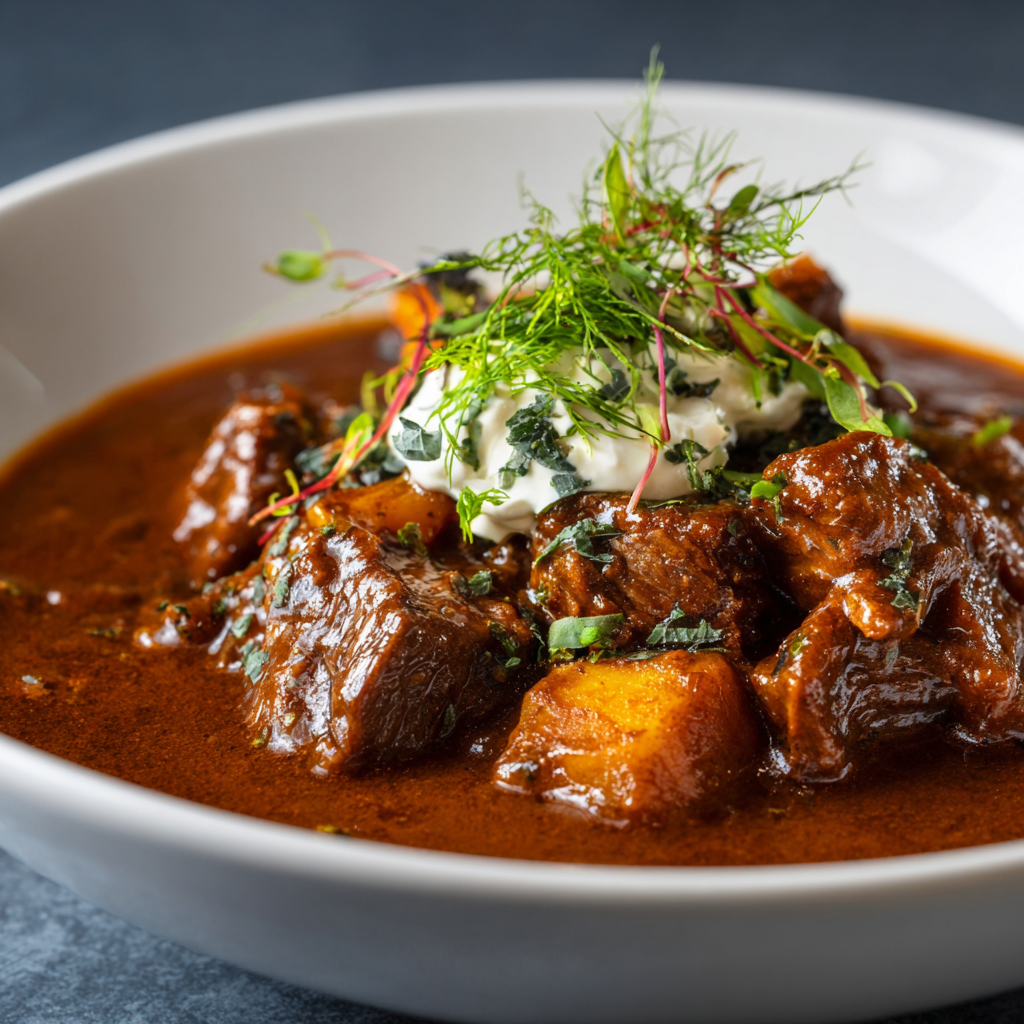
Adding paprika after removing the pot from high heat prevents burning, which creates acrid, bitter flavors that ruin the entire dish. Paprika contains sugars that caramelize quickly, so cooking it briefly in the residual heat of sautéed onions and garlic releases its essential oils and deepens its flavor without scorching. This technique, called “blooming” the spices, maximizes flavor extraction and creates aromatic intensity that permeates every element of the finished goulash.
Building Flavor Through Aromatics
Generous amounts of onions form the sweet, savory foundation that supports and enhances the paprika’s starring role. Cooking onions slowly until deeply softened and beginning to caramelize releases their natural sugars and creates sweetness that balances the dish’s savory elements. This patient approach develops layers of flavor that quick cooking simply cannot achieve, making the extra time investment worthwhile for superior results.
Fresh garlic adds pungent, aromatic depth that complements the paprika without overwhelming its distinctive character. Adding garlic after the onions have softened prevents burning while still allowing it to release its essential oils and contribute complexity. Meanwhile, the brief cooking time ensures garlic retains some of its sharp bite rather than becoming overly sweet and mellow, maintaining interest and preventing the dish from tasting flat.
Caraway seeds contribute subtle anise-like flavor that’s traditional in Hungarian cooking and adds another dimension of complexity. These tiny seeds release warm, slightly peppery notes that enhance rather than dominate the other flavors, creating harmony among all the components. Additionally, dried marjoram provides herbal notes that brighten the rich, meaty stew and prevent it from tasting heavy despite the long cooking time and substantial ingredients.
Incorporating Vegetables for Balance
Bell peppers add sweetness, texture, and nutritional value while contributing to the goulash’s traditional appearance and authentic flavor profile. Using both red and yellow peppers creates visual appeal and slightly different flavor notes—red peppers taste sweeter while yellow offer milder, sunny flavor. Cut into substantial pieces rather than small dice, the peppers maintain their integrity throughout long cooking while becoming tender and infused with the paprika-rich sauce.
Adding peppers after browning the beef and sautéing the aromatics prevents them from becoming mushy or losing their structure completely. They need sufficient time to soften and absorb flavors but shouldn’t disintegrate into the sauce, so this timing creates ideal texture in the finished dish. Furthermore, the peppers release their own sweet juices as they cook, contributing moisture and natural sugars that enhance the sauce’s complexity.
The tomato paste and diced tomatoes provide acidity that brightens the rich beef and balances the dish’s overall flavor profile. Tomatoes also contribute umami that amplifies the savory character without making the goulash taste overtly tomato-forward. Cooking the tomato paste briefly before adding liquid caramelizes its sugars and concentrates its flavor, creating deeper, more complex taste than simply stirring it in with the broth.
Perfecting the Slow Simmer
Low, gentle simmering breaks down tough connective tissue in the beef while keeping the meat moist and tender rather than dry and stringy. High heat causes proteins to contract violently and squeeze out moisture, creating tough, chewy meat regardless of cooking time. Conversely, maintaining a bare simmer with just occasional bubbles breaking the surface allows collagen to dissolve gradually into gelatin that enriches the sauce while the meat fibers relax and become fork-tender.
Covering the pot during simmering traps moisture and creates a self-basting environment that keeps the goulash from reducing too much or drying out. However, leaving the lid slightly ajar allows some evaporation that concentrates flavors while preventing the buildup of condensation that would drip back and dilute the sauce. This balance creates ideal consistency—rich and coating but not overly thick or heavy.
Patience during this long cooking phase cannot be overstated, as there’s simply no way to rush the transformation of tough beef into tender, melt-in-your-mouth perfection. Checking the meat after 2 hours by inserting a fork reveals whether it’s ready—properly cooked beef should break apart with minimal pressure. If it still feels firm or resistant, continue simmering for another 30 minutes and check again, as cooking times vary based on the specific cut and size of beef cubes.
Achieving Perfect Consistency
Traditional Hungarian goulash has a thinner consistency than American beef stew, sitting somewhere between soup and stew. However, many home cooks prefer slightly thicker sauce that coats the beef and vegetables more substantially, which is where the optional flour slurry comes into play. Adding this thickener at the end rather than dusting the beef before browning creates lighter texture and prevents the heavy, paste-like quality that too much flour can produce.
Creating a smooth slurry by whisking flour with cold water before adding it to the hot goulash prevents lumps that create unpleasant texture and uneven thickening. Pour the slurry in slowly while stirring constantly, which distributes it evenly throughout the pot and allows you to control the final consistency. If the goulash becomes too thick, simply thin it with additional beef broth until you achieve your preferred texture.
The finishing touch of red wine vinegar might seem minor but dramatically impacts the final flavor by adding brightness that makes all the other flavors more pronounced. This acid cuts through the richness and prevents the goulash from tasting heavy or one-dimensional despite its substantial ingredients. Just a small amount transforms good goulash into exceptional goulash, so don’t skip this crucial final step that elevates the entire dish.
Serving and Storing Tips
Serving Tips
Serve this beef goulash piping hot in deep bowls that contain the generous sauce while showing off the tender beef and colorful peppers. Traditional accompaniments include buttered egg noodles, spaetzle, or boiled potatoes that soak up the flavorful sauce and create a complete, satisfying meal. Alternatively, serve over creamy polenta or alongside crusty bread for mopping up every last drop of that incredible paprika-infused sauce.
A dollop of cold sour cream on top creates delicious contrast with the hot goulash while adding tangy richness that complements the sweet paprika beautifully. The sour cream melts into the sauce as you eat, creating swirls of creamy white against the russet-colored goulash that’s both visually appealing and delicious. Additionally, fresh parsley adds bright color and fresh flavor that lightens the rich stew and makes it feel more balanced and complete.
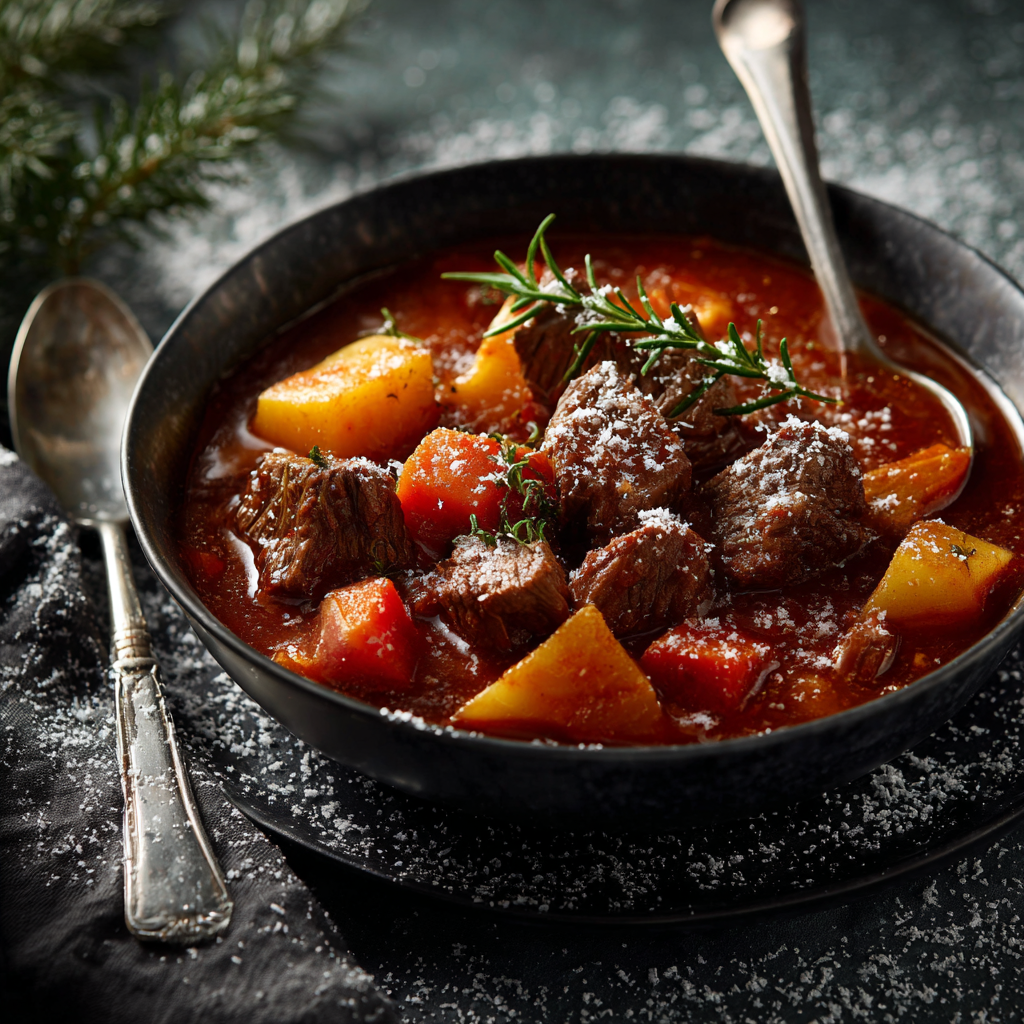
For special occasions, serve the goulash family-style in the pot it was cooked in, bringing it directly to the table where everyone can admire it before ladling generous portions. This rustic presentation honors the dish’s humble origins while creating a convivial atmosphere that encourages sharing and seconds. Pair with a simple green salad and robust red wine for a complete winter feast that satisfies without feeling overly heavy.
Storage Tips
Store leftover goulash in airtight containers in the refrigerator for up to 4 days, where it actually improves as flavors continue melding overnight. The beef absorbs more of the paprika sauce and becomes even more flavorful, while the overall dish develops deeper, more harmonious taste. This characteristic makes goulash perfect for meal prep or making ahead for dinner parties, as you can prepare it entirely the day before and simply reheat when needed.
When reheating, warm the goulash gently on the stovetop over medium-low heat, stirring occasionally and adding a splash of broth if it has thickened too much during storage. Alternatively, microwave individual portions in 2-minute intervals, stirring between each burst to ensure even heating. Avoid boiling during reheating, which can toughen the beef and change the sauce’s texture from velvety to separated.
Freezing goulash works exceptionally well for long-term storage up to 4 months, making it ideal for batch cooking and future quick dinners. Cool completely before transferring to freezer-safe containers, leaving about an inch of headspace to allow for expansion. Thaw frozen goulash overnight in the refrigerator rather than at room temperature for food safety, then reheat as you would fresh leftovers for meals that taste virtually identical to the original batch.
Helpful Notes
Making goulash in a slow cooker offers convenient hands-off cooking that produces excellent results with minimal active time. Brown the beef and sauté the aromatics as directed, then transfer everything to the slow cooker and cook on low for 7 to 8 hours or high for 4 to 5 hours. The gentle, even heat creates incredibly tender beef while developing deep flavors that rival stovetop versions, though the sauce may be slightly thinner without the evaporation that occurs during stovetop simmering.
For richer flavor and additional authenticity, some cooks add a tablespoon of lard instead of olive oil for browning the beef. This traditional fat contributes distinctive flavor that vegetable oils cannot match, creating more authentic taste that honors the dish’s Hungarian origins. However, olive oil produces excellent results and works perfectly fine if you prefer not to use animal fats or don’t have lard available.
Adding a small amount of hot paprika along with the sweet variety creates pleasant heat that warms from within without overwhelming the dish’s balanced flavors. Start with just 1/2 teaspoon and adjust in future batches based on your heat preference, as Hungarian hot paprika can be quite potent. This optional addition transforms the goulash into something slightly more assertive while maintaining its comforting, warming character.
Common mistakes include using stew meat instead of chuck roast, which often contains inferior cuts that remain tough even after long cooking, or adding the paprika to hot oil, which burns it immediately and creates bitter, unpleasant flavor. Additionally, cooking at too high a temperature or failing to allow sufficient simmering time results in tough meat that never achieves the melt-in-your-mouth tenderness that makes goulash so special and satisfying.
Chef Tips
Professional chefs often add a small amount of grated carrot along with the onions, which contributes natural sweetness and body to the sauce without being detectable as a separate ingredient. This secret addition creates more complex flavor and slightly thicker consistency while maintaining the dish’s traditional character and appearance.
Another expert technique involves reserving some of the sautéed onions before adding the paprika, then stirring them back in during the final minutes of cooking. This creates textural variation with some onions that have melted completely into the sauce and others that remain slightly firmer and more distinct, adding interest to each spoonful.
Frequently Asked Questions
Can I use a different cut of beef? Yes, beef short ribs or brisket work beautifully and provide even more rich flavor, though chuck roast offers the best balance of price, availability, and results.
Why is my goulash bitter? You likely burned the paprika by adding it to oil that was too hot; always remove from heat or reduce temperature before adding paprika.
Can I make this in an Instant Pot? Absolutely, brown beef using sauté mode, add remaining ingredients, and pressure cook on high for 35 minutes with natural release for tender results.
What’s the best way to reheat goulash? Gently warm on the stovetop over low heat, stirring occasionally and adding a splash of broth if needed to restore the original consistency.
Can I substitute the beef broth? Yes, though beef broth provides optimal flavor; chicken or vegetable broth work in a pinch, or use water enhanced with a bouillon cube.
Embracing Cold Weather Comfort
Mastering hearty, slow-cooked dishes like goulash connects you with centuries of culinary tradition while providing practical solutions for feeding yourself and loved ones well during winter months. This warming stew proves that comfort food doesn’t require fancy ingredients or complicated techniques—just quality basics, proper method, and patience. When you take time to prepare food with care, the act of cooking itself becomes meditative and satisfying, creating nourishment for both body and spirit.
Did this Winter Beef Goulash become your cold-weather essential? If you loved how the tender beef melted in your mouth, how the paprika-rich sauce warmed you from the inside out, and how the incredible aromas filled your home with comfort, we’d be absolutely thrilled if you could save this recipe for your winter dinner rotation, pin it to your comfort food or slow-cooked meals board, or share it with friends who appreciate authentic, soul-satisfying dishes. Your support and enthusiasm mean everything to us and inspire us to keep sharing recipes that make home cooking accessible, rewarding, and deeply satisfying for everyone. Tell us in the comments what you served alongside your goulash and whether you made any personal touches—we love hearing about your cooking adventures and family favorites!