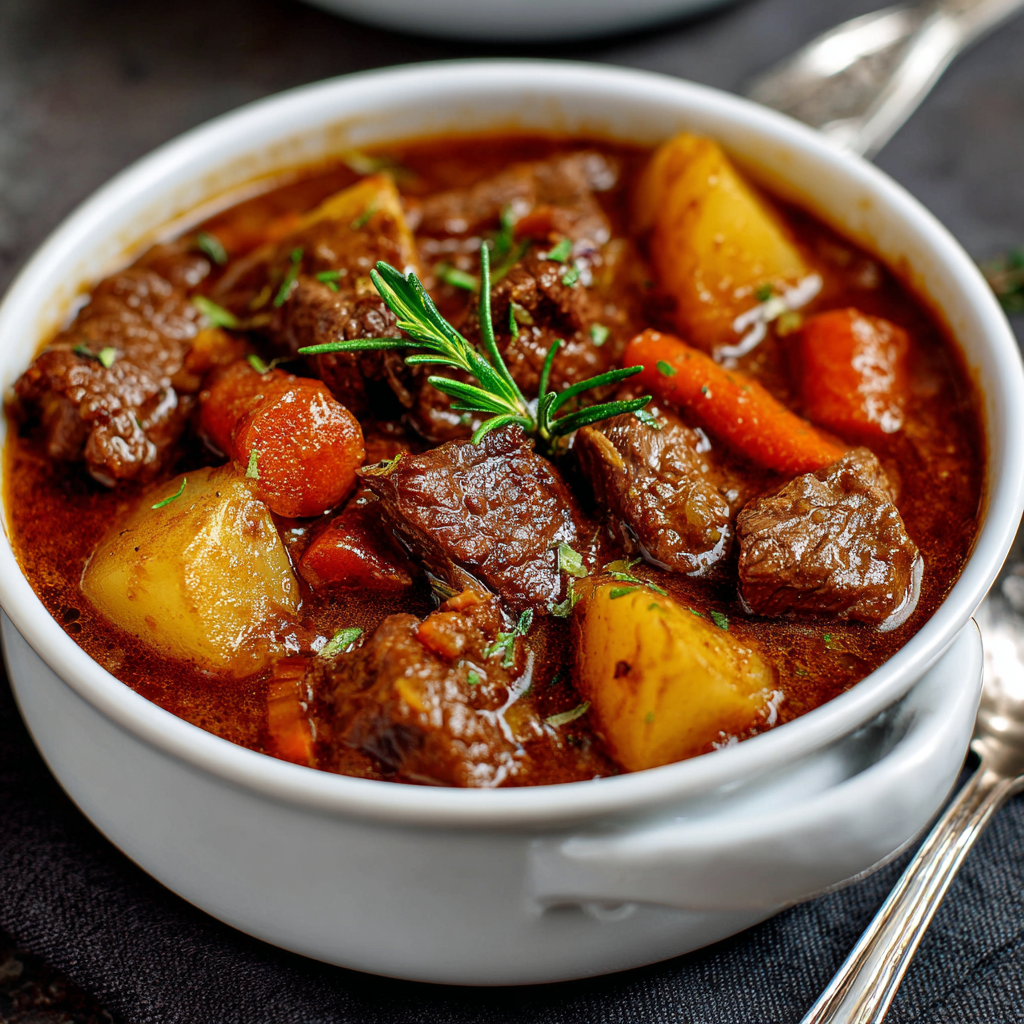
When winter weather settles in and comfort becomes a priority, few meals feel as satisfying as a slow-simmered pot of hearty beef stew. This recipe brings together deep, savory flavors, tender chunks of beef, and vegetables that soak up every bit of rich broth. It feels like the kind of dish that warms you from the inside out after a long, cold day, especially when the temperature drops and the evenings stretch longer. Moreover, it offers a sense of familiarity that many people associate with home-cooked meals shared around the table, whether that table seats a large family or just a few close friends. Even better, this version keeps the process approachable, so you do not need advanced skills to achieve restaurant-quality results. With simple steps, everyday ingredients, and carefully layered flavors, this stew delivers warmth, nourishment, and comfort, making it a reliable choice throughout the winter season when cozy meals matter most.
Ingredients
Servings: Makes 6 hearty servings
- 2 tablespoons olive oil
- 2 pounds beef chuck, cut into 1 1/2-inch cubes
- 1 teaspoon salt, plus more to taste
- 1/2 teaspoon black pepper
- 1/4 cup all-purpose flour
- 1 medium yellow onion, diced
- 3 cloves garlic, minced
- 3 medium carrots, peeled and cut into chunks
- 3 medium potatoes, peeled and cubed
- 2 celery stalks, sliced
- 2 tablespoons tomato paste
- 4 cups beef broth
- 1 cup water
- 1 tablespoon Worcestershire sauce
- 2 bay leaves
- 1 teaspoon dried thyme
- 1/2 teaspoon dried rosemary
- 1/2 teaspoon paprika
- 1 cup frozen peas
- 2 tablespoons fresh parsley, chopped
Optional Add-Ins: - 1 cup mushrooms, sliced
- 1/2 cup red wine
- 1/2 teaspoon smoked paprika
Step-by-Step Instructions
- Pat the beef cubes dry using paper towels and season them evenly with salt and black pepper to ensure balanced flavor throughout.
- Toss the seasoned beef with flour until lightly coated, shaking off any excess so the coating stays thin.
- Heat olive oil in a large heavy-bottomed pot over medium-high heat until it shimmers.
- Brown the beef in batches, turning occasionally, until a deep crust forms on all sides, which builds flavor early.
- Transfer the browned beef to a plate and set aside while keeping the pot hot.
- Add the diced onion to the same pot and cook, stirring occasionally, until softened and lightly golden.
- Stir in the garlic and cook briefly until fragrant, making sure it does not burn.
- Add the tomato paste and cook, stirring constantly, until it darkens slightly and develops a richer taste.
- Pour in the beef broth and water, scraping the bottom of the pot to release all the browned bits.
- Return the beef to the pot along with Worcestershire sauce, bay leaves, thyme, rosemary, and paprika.
- Bring the stew to a gentle boil, then reduce heat to low for a steady simmer.
- Cover and simmer until the beef begins to soften and the broth develops depth.
- Add the carrots, potatoes, and celery, stirring gently to combine everything evenly.
- Continue simmering until the vegetables are tender and the beef is fork-tender.
- Stir in frozen peas and cook until heated through and vibrant.
- Remove bay leaves, adjust seasoning as needed, and garnish with fresh parsley before serving.
Why Winter Beef Stew Is a Cold-Weather Favorite
Winter cooking often calls for meals that feel grounding and deeply satisfying, and this stew delivers that experience every time. First, the beef develops richness during browning, which builds a strong foundation for the entire dish. Meanwhile, vegetables slowly soften and release natural sweetness as they simmer, creating balance in every bite. As a result, the stew becomes hearty without feeling overly heavy, making it suitable for both weeknight dinners and relaxed weekend meals. Additionally, its ability to improve with time makes it ideal for leftovers, as the flavors continue to deepen after resting. Many people find that this stew tastes even better the next day, which adds to its appeal during busy winter weeks.
Choosing the Right Cut of Beef
Why Chuck Works Best
Beef chuck contains connective tissue and marbling that break down during slow cooking. Consequently, it becomes tender and flavorful rather than tough or dry. In contrast, lean cuts may cook faster but often lack the richness needed for stew. Selecting chuck ensures consistent results every time and delivers the comforting texture that defines a classic beef stew.
Preparing Beef for Best Results
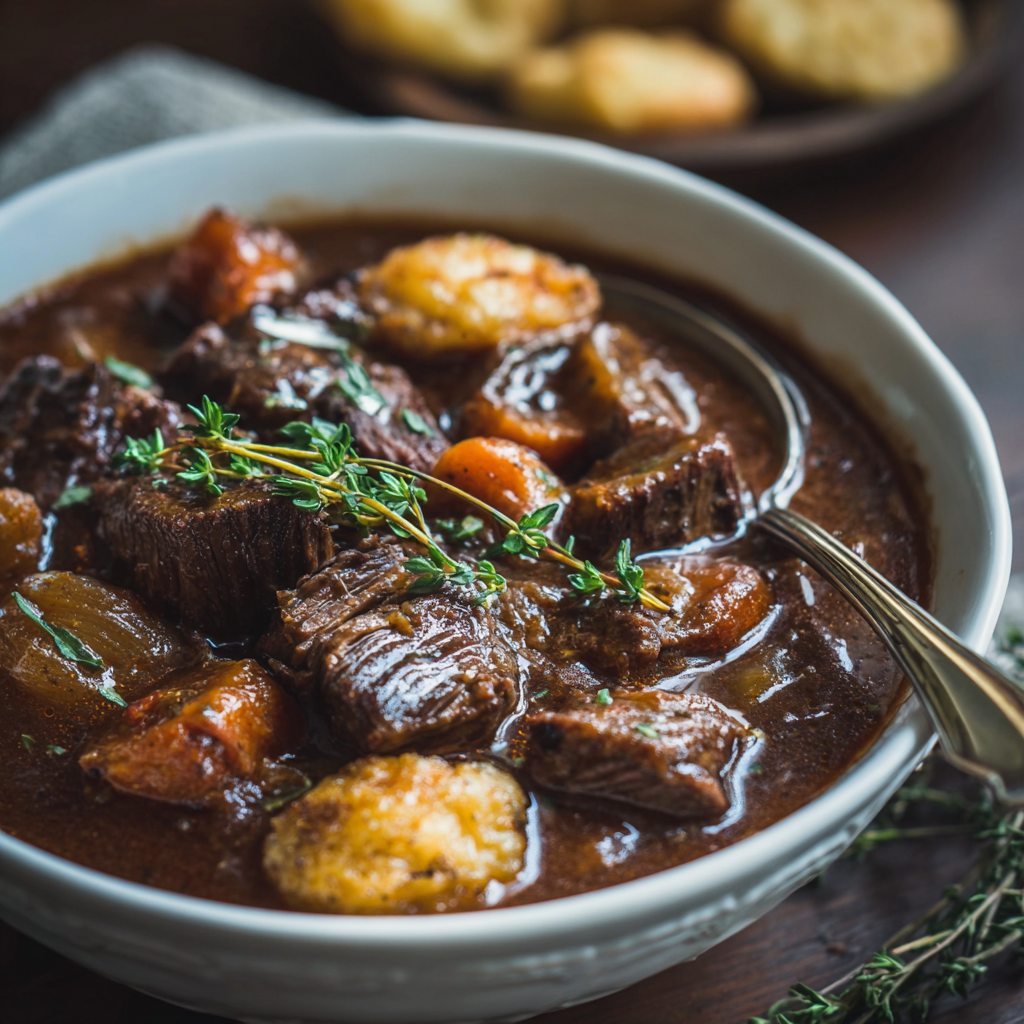
Drying and seasoning the beef before browning encourages proper caramelization. Moreover, coating it lightly in flour helps thicken the stew naturally as it cooks. This simple preparation step enhances both texture and flavor while creating a broth that clings beautifully to the beef and vegetables.
Building a Rich, Flavorful Base
A great stew relies on gradual flavor development rather than shortcuts. First, browned beef creates depth and complexity. Next, onions and garlic add aroma and savory sweetness. Meanwhile, tomato paste introduces subtle acidity that balances the richness of the meat. Deglazing the pot captures all those concentrated flavors stuck to the bottom, ensuring nothing goes to waste. Over time, these layers come together into a broth that feels robust and comforting without overpowering the ingredients.
The Role of Slow Simmering
Patience transforms this stew from ordinary to exceptional. Keeping the heat low allows collagen in the beef to break down gradually, which is essential for tenderness. As a result, the meat becomes soft and flavorful while the broth thickens naturally. In contrast, rushing the process with high heat can lead to tough beef and uneven texture. Slow simmering also gives the herbs time to infuse their flavor evenly throughout the pot.
Vegetables That Shine in Beef Stew
Carrots, potatoes, and celery form a classic trio for a reason. Each vegetable contributes texture, flavor, and balance to the stew. Meanwhile, optional additions like mushrooms add earthiness, while peas bring brightness and color. Adding vegetables in stages prevents them from becoming mushy and ensures every bite feels intentional and well-balanced.
Serving and Storing Tips
Serving Tips
Serve Winter Beef Stew hot with crusty bread, buttered rolls, or creamy mashed potatoes for a complete meal. Additionally, a simple green salad with a light vinaigrette provides contrast and freshness. For gatherings, ladle the stew into warmed bowls to keep it comforting longer and finish with a sprinkle of fresh herbs.
Storage Tips
Store leftovers in airtight containers in the refrigerator for up to 4 days. Freeze cooled stew for up to 3 months for convenient meals later. Reheat gently on the stovetop over low heat, adding a splash of broth or water if needed to restore consistency.
Helpful Notes
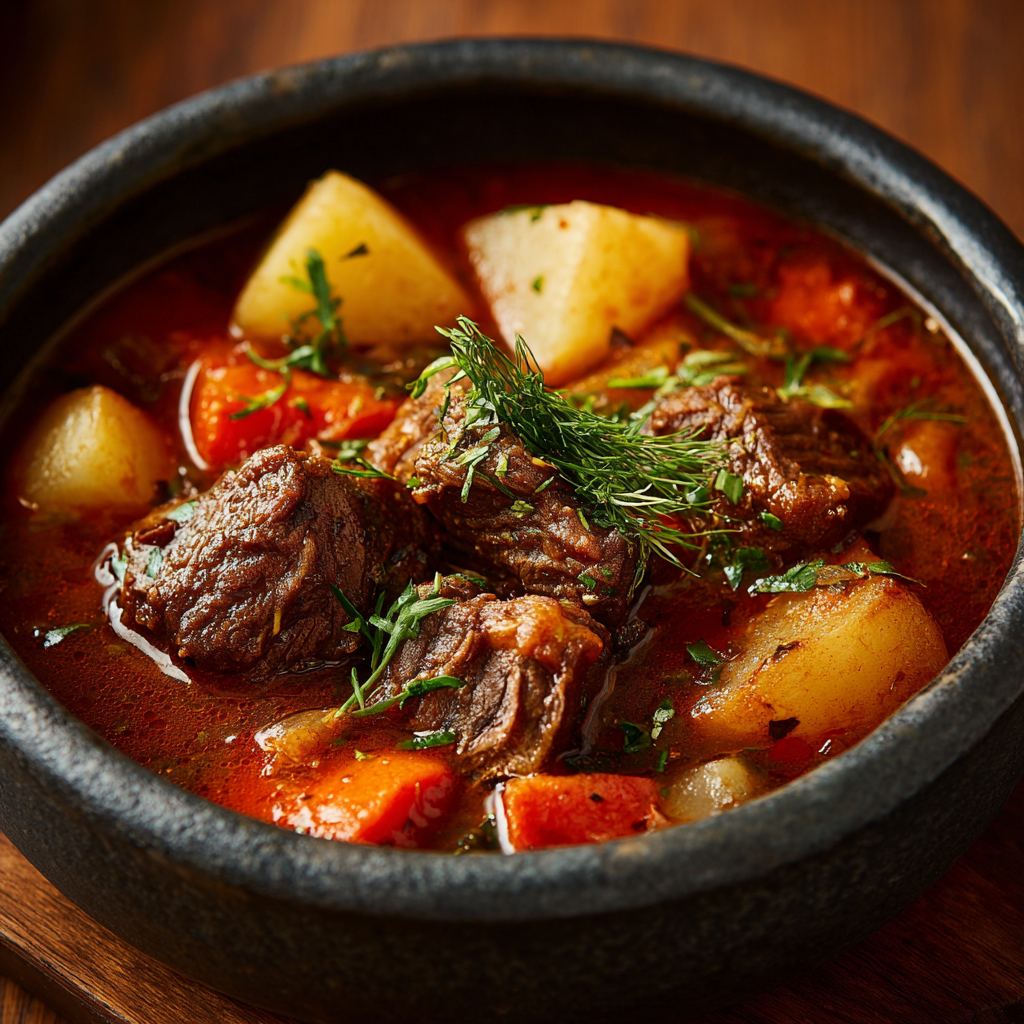
Making the stew a day ahead allows flavors to deepen even more, making it ideal for meal prep. Meanwhile, substitutions such as sweet potatoes, turnips, or parsnips work well depending on preference. Avoid overcrowding the pot during browning, as this prevents proper caramelization and reduces flavor. Adjust seasoning at the end of cooking for the best balance, since flavors concentrate over time.
Chef Tips
Browning beef in batches ensures even color and richer flavor throughout the stew. Additionally, adding a small splash of vinegar or lemon juice at the end can subtly brighten the dish without altering its comforting character.
Frequently Asked Questions
Can I make this stew in a slow cooker?
Yes, brown the beef first, then cook on low for 7–8 hours.
Is it okay to skip the flour?
Yes, but the stew will be thinner in consistency.
Can I add wine?
Yes, replace some broth with red wine for extra depth.
Does this stew freeze well?
Absolutely, it freezes beautifully for future meals.
What sides pair best?
Bread, rice, or mashed potatoes work especially well.
Making Beef Stew Part of Your Winter Routine
This stew fits seamlessly into winter meal planning because it is flexible, filling, and reliable. Its adaptability allows you to adjust vegetables or seasonings based on what you have on hand. Meanwhile, the comforting aroma fills your kitchen as it simmers, creating a sense of warmth even before dinner begins. Over time, it becomes a dependable favorite that you return to whenever comfort food feels necessary.
Elevating Beef Stew for Special Occasions
For guests, small enhancements make a big difference. Adding fresh herbs just before serving or pairing the stew with artisan bread elevates presentation instantly. These thoughtful touches make the stew feel intentional and special without adding complexity to the cooking process.
Conclusion
Winter Beef Stew offers deep flavor, warmth, and nourishment in every bowl. With tender beef, hearty vegetables, and a rich broth, it delivers comfort that lasts long after the meal ends. If you enjoyed this recipe, save it for later, pin it to your winter favorites, or share it with someone who loves cozy meals. Let us know how you personalize it so we can keep bringing you comforting recipes all season long.