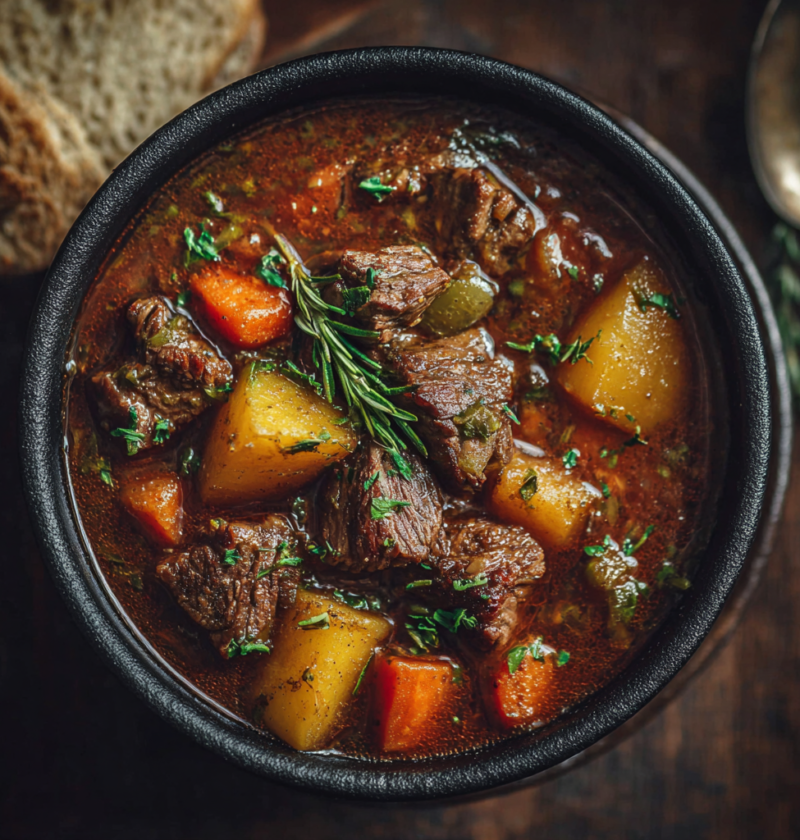
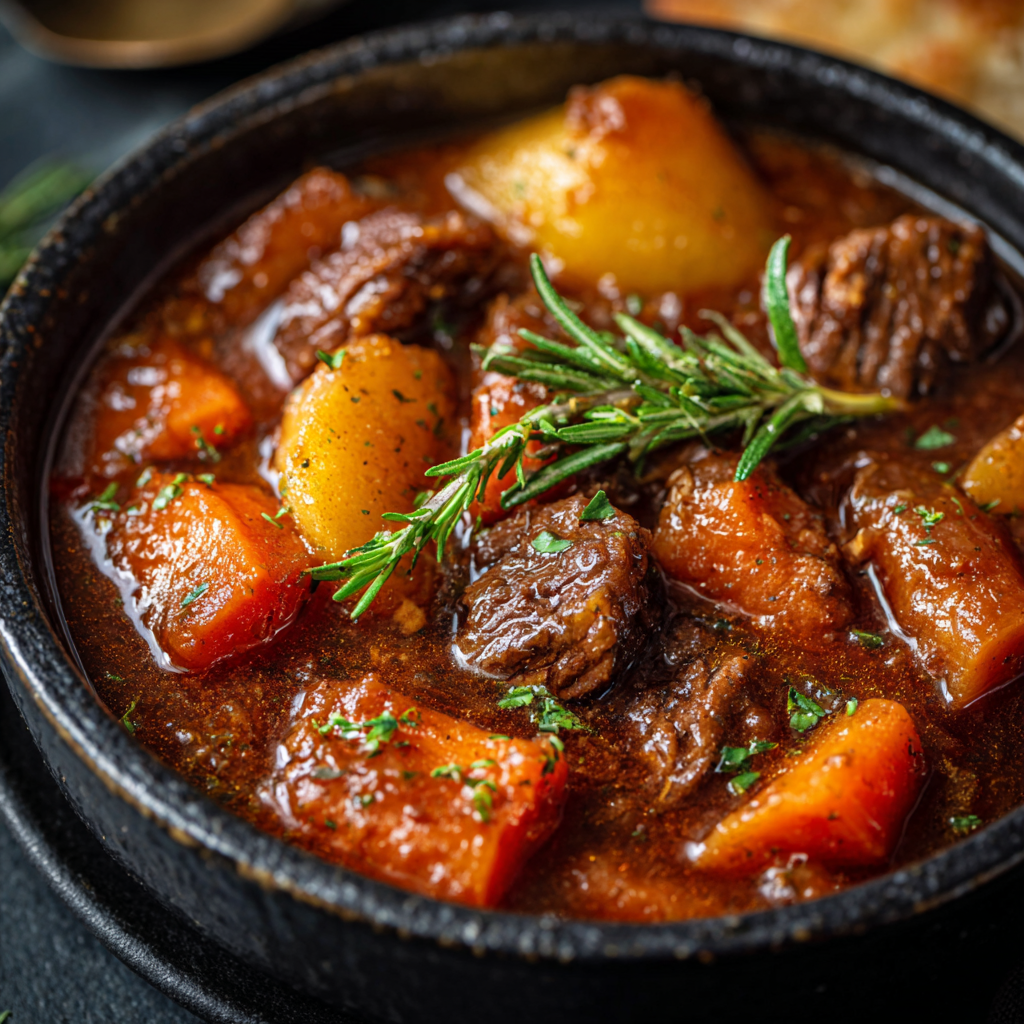
Imagine spooning into a bowl of rich, deeply satisfying beef stew where tender meat practically melts in your mouth and vegetables have absorbed all the savory, complex flavors of long cooking. This winter beef stew recipe delivers that restaurant-quality comfort food that tastes like it simmered all day despite requiring under two hours total from start to finish. What makes this recipe truly special is how the beef develops incredible tenderness through gentle heat, while the sauce becomes velvety and rich through natural reduction and beef’s collagen breaking down into gelatin. The combination of seared beef, caramelized vegetables, and aromatic herbs creates depth and sophistication that prevents the stew from tasting one-dimensional or boring. Each spoonful delivers exactly what winter comfort food should—warmth, genuine nourishment, and that deeply satisfying flavor that makes you feel cared for and nourished. Whether you’re seeking quick weeknight dinners, meals for entertaining, wanting to impress guests with homemade stew, or simply craving genuine soul-warming comfort food, this winter beef stew accomplishes all four with impressive results that taste like you spent hours perfecting them.
Ingredients
Servings: 6-8
- 2 pounds beef chuck roast, cut into one-and-a-half-inch cubes
- 3 tablespoons olive oil
- 1 large yellow onion, diced
- 3 carrots, peeled and cut into one-inch pieces
- 3 celery stalks, chopped
- 4 cloves garlic, minced
- 3 tablespoons tomato paste
- 1 cup red wine (optional, but recommended)
- 4 cups beef broth
- 2 cups water
- 3 medium potatoes, peeled and cut into one-inch cubes
- 2 bay leaves
- 2 teaspoons dried thyme
- 1 teaspoon dried rosemary
- 1 tablespoon honey or sugar (balances flavors)
- 2 tablespoons balsamic vinegar (adds depth)
- 3 tablespoons cornstarch or flour (for thickening)
- 1 tablespoon sea salt (adjust to taste)
- 1 teaspoon black pepper
- Fresh parsley for garnish (optional)
- Crusty bread for serving
Why This Beef Stew Delivers Ultimate Winter Comfort
First, beef chuck contains collagen that breaks down during long, gentle cooking into gelatin, creating that velvety sauce and incredibly tender meat. Meanwhile, the combination of aromatic vegetables—onion, celery, and carrot—creates a traditional flavor base called mirepoix. However, the real magic lies in searing the beef first, which creates browned, flavorful exteriors through the Maillard reaction that builds depth throughout the entire stew. Additionally, red wine and balsamic vinegar add complexity and richness that prevent the stew from tasting flat or one-dimensional. As a result, this seemingly simple stew delivers sophistication and satisfaction that rivals restaurant versions while remaining accessible for home cooks.
Step-by-Step Instructions
1. Prepare all ingredients before cooking begins. To begin, wash and peel your vegetables thoroughly. Next, cut your beef into consistent one-and-a-half-inch cubes, ensuring pieces are roughly the same size for even cooking. Additionally, peel your potatoes and cut into one-inch cubes. Meanwhile, dice your onion and chop your celery and carrots into one-inch pieces. However, don’t worry about perfect precision—consistent sizing matters more than perfection. Furthermore, having ingredients prepped streamlines cooking and prevents scrambling mid-process.
2. Pat your beef dry before searing. Pat your beef cubes dry with paper towels, removing any excess moisture. Next, dry beef sears properly and develops golden-brown exteriors rather than steaming. Meanwhile, moisture prevents browning and creates pale meat. Additionally, removing excess moisture is one of the most important steps. However, don’t wash the beef after patting—simply remove surface moisture.
3. Heat your olive oil in a large Dutch oven. Pour three tablespoons of olive oil into a large Dutch oven or heavy-bottomed pot. Next, place it over medium-high heat and allow the oil to shimmer and become very hot. Meanwhile, proper high heat ensures beef develops golden-brown exteriors. Additionally, a large pot prevents crowding. However, ensure your pot is large enough to hold all ingredients comfortably without sloshing over the top.
4. Sear your beef in batches for proper browning. Working in batches to avoid overcrowding, carefully place your beef cubes into the hot oil. Next, allow them to sear undisturbed for about three to four minutes, developing golden-brown exteriors. Afterward, stir and cook for an additional two to three minutes until most sides are browned. Meanwhile, browning creates tremendous flavor through the Maillard reaction. Additionally, don’t crowd the pan—this prevents browning and causes steaming instead. However, you may need three or four batches depending on your pot size.
5. Transfer seared beef to a clean plate. Using a slotted spoon, carefully remove your browned beef from the pot. Next, place it on a clean plate and set aside. Meanwhile, you’re not cooking the beef through at this stage—just developing the exterior flavor. Additionally, the beef finishes cooking in the liquid. However, don’t discard any browned bits on the pot bottom—these create flavor.
6. Reduce heat and sauté your aromatic vegetables. Reduce your heat to medium. Next, add your diced onion, chopped carrots, and chopped celery to the same pot. Using a wooden spoon, stir occasionally for about seven to ten minutes until vegetables become soft and fragrant. Meanwhile, this sautéing step develops deeper flavor. Additionally, you’ll notice the kitchen filling with wonderful aromatic fragrances. However, avoid burning vegetables—they should soften and become fragrant, not char.
7. Add your minced garlic and tomato paste. Add your minced garlic to the softened vegetables. Next, stir constantly for about one minute until fragrant. Afterward, add your tomato paste. Using your wooden spoon, stir the tomato paste thoroughly into the vegetables. Meanwhile, tomato paste adds umami and depth. Additionally, stirring distributes it evenly. However, avoid burning the tomato paste—keep heat at medium.
8. Deglaze the pot with red wine if using. Pour your red wine into the pot, if using. Next, using your wooden spoon, scrape the bottom and sides thoroughly, incorporating all the browned bits that developed during searing. Meanwhile, this deglazing step transfers tremendous flavor from the pot bottom into your stew. Additionally, the wine reduces and concentrates flavor. However, if you don’t use wine, simply proceed to the next step—the stew is still delicious without it.
9. Simmer briefly to reduce the wine. Allow your wine to simmer for about three to four minutes, reducing slightly and cooking off harsh alcohol flavors. Next, you’ll notice the wine becoming slightly thicker. Meanwhile, some alcohol evaporates with the heat. Additionally, the concentrated wine flavor becomes sweeter and more pleasant. However, if not using wine, you can skip this step.
10. Return seared beef to the pot. Pour your seared beef cubes back into the pot with the vegetables and aromatic ingredients. Next, stir gently to combine everything. Meanwhile, the beef joins the developing flavors. Additionally, everything is now working together. However, be gentle when stirring to avoid breaking up beef pieces.
11. Add your beef broth and water carefully. Pour your beef broth and water into the pot. Next, ensure the liquid comes to about two-thirds up the side of the beef—you want beef mostly submerged but not completely swimming. Meanwhile, this liquid becomes the delicious sauce. Additionally, the beef will release its own juices as it cooks. However, if you need additional liquid later, more can be added.
12. Add your seasonings and aromatics. Add your bay leaves, dried thyme, dried rosemary, salt, and black pepper. Next, stir everything together thoroughly. Meanwhile, the seasonings will distribute throughout the liquid. Additionally, the stew will immediately smell more complex and flavorful. However, taste at this point and adjust seasonings to your preference. As a result, initial seasoning allows flavors to develop throughout cooking.
13. Bring the stew to a gentle simmer. Increase your heat to medium-high and allow the stew to come to a gentle simmer. Next, you’ll see small bubbles breaking the surface regularly. However, once simmering begins, reduce the heat to medium-low to maintain a gentle simmer. Meanwhile, gentle simmering allows beef to become incredibly tender without becoming stringy. Additionally, vigorous boiling can cause beef to become tough. However, maintaining proper temperature throughout cooking requires attention. As a result, adjust heat as needed to maintain gentle simmering.
14. Simmer for one hour covered. Cover your pot with a lid and allow the stew to simmer gently for about one hour. Next, the beef will gradually become more tender as the collagen breaks down. Meanwhile, flavors will deepen and meld beautifully. Additionally, the meat will darken slightly as it cooks. However, at the one-hour mark, check the meat’s tenderness by piercing with a fork. Furthermore, it should pierce relatively easily, though not completely falling apart. As a result, stewing time varies depending on beef quality and pot size.
15. Add your potatoes and continue cooking. Add your potato cubes to the pot. Next, stir gently to distribute throughout. Meanwhile, potatoes take about 20-25 minutes to cook through. Additionally, they’ll absorb the delicious broth flavors. However, don’t add potatoes too early—they become mushy if cooked too long. Furthermore, adding them now ensures they’re perfectly tender when the stew finishes. As a result, timing is important for proper potato texture.
16. Simmer until potatoes are tender. Allow your stew to continue simmering gently for another 20-25 minutes until potatoes are fork-tender. Next, the beef should now be very tender, practically melting in your mouth. Meanwhile, the sauce should be slightly thickened from beef’s collagen turning into gelatin. Additionally, vegetables should be soft and flavorful. However, potatoes should still have some structure—not falling apart into the broth. Furthermore, once potatoes are done, the stew is nearly complete. As a result, regular checks prevent overcooking.
17. Prepare your thickening slurry. While potatoes cook, mix your cornstarch or flour with three tablespoons of cold water in a small bowl. Next, stir until smooth, ensuring no lumps remain. Meanwhile, this cornstarch slurry prevents lumps when thickening. Additionally, smooth slurry ensures even thickening. However, this step is optional—many people prefer the natural thickness from beef collagen. Furthermore, you can skip this step if your sauce is already thick enough. As a result, use the slurry only if needed.
18. Thicken your sauce if desired. If your sauce needs thickening, pour your cornstarch slurry slowly into the simmering stew while stirring constantly. Next, the sauce will visibly thicken as you stir. Meanwhile, cornstarch creates a slightly silky texture. Additionally, continue stirring for a minute or two until fully incorporated. However, don’t add too much slurry—you want gravy-like consistency, not paste. Furthermore, the sauce continues thickening slightly as it cools. As a result, it’s better to under-thicken than over-thicken.
19. Add final flavor balancing ingredients. Stir in your balsamic vinegar and honey or sugar. Next, these ingredients balance flavors beautifully. Meanwhile, balsamic adds subtle sweetness and depth. Additionally, honey balances any savory harshness. However, taste first and adjust these additions to your preference. Furthermore, they’re optional but highly recommended. As a result, these final additions elevate the entire stew.
20. Taste and adjust seasonings to perfection. Taste your stew and adjust seasonings as needed. Next, add more salt if necessary, black pepper for heat, or additional herbs for complexity. Meanwhile, proper seasoning is absolutely essential for delicious stew. Additionally, what seems perfect to you may need adjustment for others. However, taste as you go and adjust throughout cooking. As a result, thoughtful seasoning prevents needing excessive adjustment at the end.
21. Serve immediately while hot and aromatic. Ladle your stew into serving bowls. Next, garnish with fresh parsley if desired and a crack of fresh black pepper. Meanwhile, serve immediately while the stew is still steaming. Additionally, crusty bread for dipping, dinner rolls, or egg noodles pair beautifully. However, the stew is absolutely satisfying and complete on its own. Furthermore, some people prefer serving with mashed potatoes or rice. As a result, serve according to your preference and available accompaniments.
Serving and Storage Tips
How to Serve Your Winter Beef Stew
First, serve your stew hot in warmed bowls for maximum comfort and appeal. Next, crusty bread for dipping, dinner rolls, or mashed potatoes create the ultimate comfort meal. Additionally, fresh parsley adds color and aromatic brightness. However, the stew is equally satisfying served plain. Furthermore, this stew works equally well for quick weeknight dinners and leisurely weekend meals. As a result, serve whenever you need warmth and nourishment.
Proper Storage and Extended Shelf Life
To begin, store leftover beef stew in an airtight container in the refrigerator for up to five days. Next, the flavors actually deepen as the stew sits, making it wonderful for next-day enjoyment. Additionally, the stew reheats beautifully on the stovetop over medium-low heat, stirring occasionally. However, avoid boiling, which can cause meat to become tough. Furthermore, this stew freezes beautifully for up to three months in freezer-safe containers. Additionally, thaw frozen stew overnight in the refrigerator before reheating gently on the stovetop. However, quality remains excellent even after freezing. In contrast to other dishes, stew actually improves as flavors meld during storage.
Helpful Notes and Tips for Success
Understanding key techniques ensures your winter beef stew turns out absolutely delicious every single time. First, using beef chuck provides the perfect balance of marbling and collagen that creates tender meat and rich sauce. Meanwhile, chuck is more affordable than premium cuts while producing superior results for stews. However, you could use other beef cuts if preferred. Additionally, the cut’s quality affects the final stew—buy quality beef for superior results.
Next, searing the beef properly is absolutely crucial for developing flavor that distinguishes good stew from mediocre versions. Additionally, rushing this step or crowding the pan prevents proper browning. Meanwhile, proper searing requires patience and high heat. However, this investment of time and attention creates tremendous flavor payoff. Furthermore, the Maillard reaction that creates browning also creates flavor compounds that make the entire stew taste more complex. As a result, searing is non-negotiable.
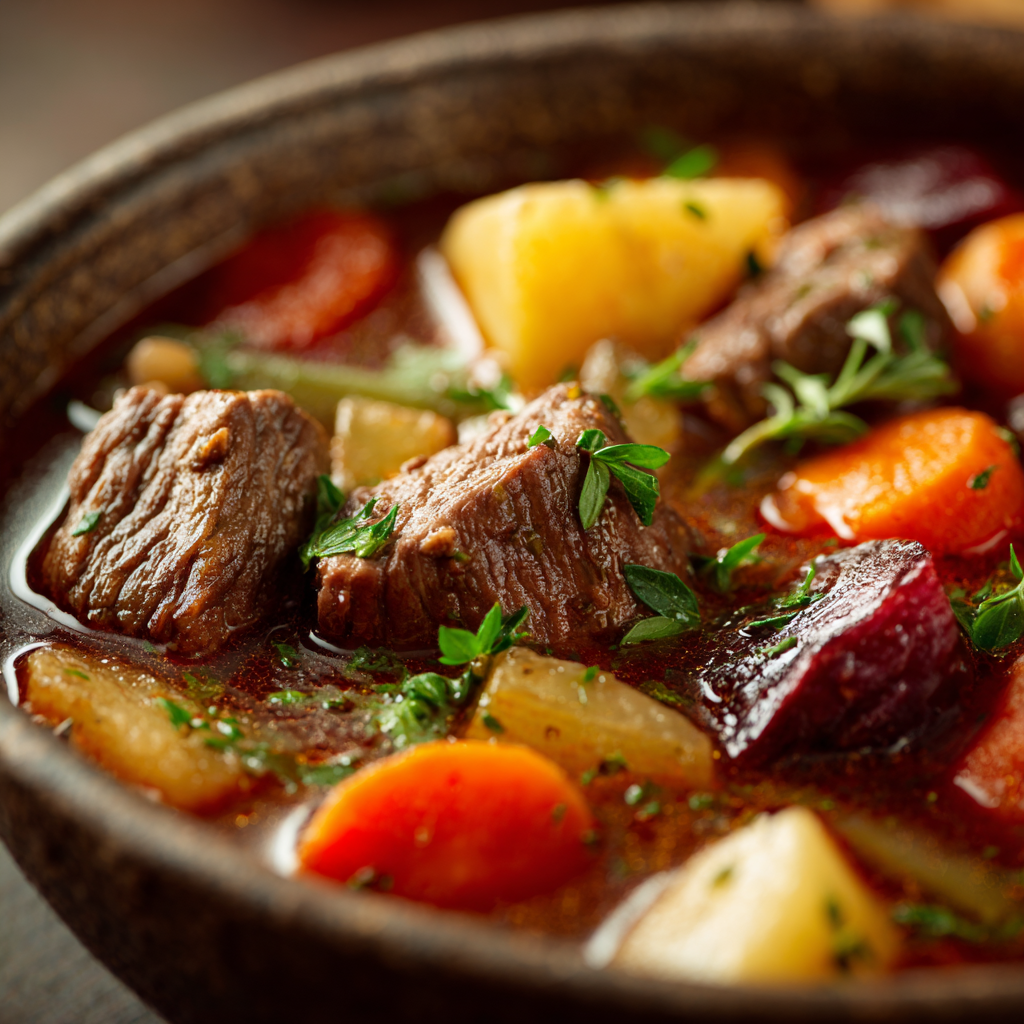
Furthermore, gentle simmering rather than vigorous boiling is essential for tender beef and developing proper flavors. To begin, high heat toughens meat and damages delicate flavors. Meanwhile, low heat creates tender meat and allows flavors to develop naturally. However, maintaining proper temperature requires attention. Additionally, the stew should never boil vigorously. As a result, heat management is absolutely crucial.
Additionally, adding potatoes at the right time prevents them from becoming mushy or disintegrating into the broth. To begin, potatoes cook quickly compared to beef. Meanwhile, adding them only for the final 20-25 minutes ensures they’re perfectly tender without overcooking. However, check them at 20 minutes to avoid mushy texture. Furthermore, consistent potato size ensures even cooking. As a result, timing and sizing matter for proper texture.
Finally, balancing flavors with balsamic vinegar and honey creates harmonious taste that prevents the stew from tasting one-dimensional or overly savory. To begin, these additions are optional but highly recommended. Meanwhile, they prevent flat-tasting stew. However, add cautiously and taste before adding more. Furthermore, personal preference varies significantly. As a result, adjust based on your taste preferences.
Common Mistakes to Avoid
To begin, one frequent error is skipping the searing step or searing inadequately. Meanwhile, inadequate browning results in pale, flavorless stew lacking depth. However, proper searing creates golden exteriors and tremendous flavor. Additionally, another mistake involves crowding the pan when searing, causing steaming instead of browning. In contrast, cooking in batches ensures proper browning. Furthermore, some home cooks add potatoes too early, resulting in mushy vegetables falling apart into the broth.
Finally, vigorous boiling is common and problematic—it toughens beef and damages flavors. Meanwhile, gentle simmering creates tender meat and proper flavor development. As a result, heat management is absolutely crucial for successful stew.
Chef Tips
Professional chefs recommend marinating beef in red wine and thyme overnight before cooking, which intensifies flavor and requires slightly less simmering time. Additionally, for extra richness, add two tablespoons of anchovy paste or fish sauce—this won’t make the stew taste fishy but will deepen and enhance all other flavors significantly.
Frequently Asked Questions
Can I use a slow cooker instead of stovetop cooking? Absolutely. Brown the beef on the stovetop as directed, then transfer everything to a slow cooker. Cook on low for 8-10 hours or high for 4-5 hours. Add potatoes during the last 30 minutes of cooking.
What beef cuts besides chuck work well for stew? Beef brisket, beef shank, or beef round all work acceptably. Chuck remains superior due to its perfect fat-to-collagen balance, but these alternatives produce good results.
Can I make this stew without red wine? Absolutely. Increase beef broth by one cup and add two additional tablespoons of balsamic vinegar. The stew will be slightly different but still delicious.
How can I make this stew less heavy or rich? Simply reduce the beef amount or omit it entirely for vegetable stew. You could also use beef broth instead of a mixture of broth and water for less richness.
Is this stew suitable for freezing? Yes, it freezes beautifully for up to three months. Cool completely before freezing in airtight containers. Thaw overnight in the refrigerator before reheating.
Why This Winter Beef Stew Becomes a Comfort Classic
First, the combination of seared beef, aromatic vegetables, and gentle simmering creates flavor that tastes more sophisticated than the effort required. Next, the incredibly tender beef and velvety sauce deliver genuine comfort on cold winter days. Meanwhile, the relatively straightforward preparation means even novice cooks can achieve impressive results. Additionally, the nutritional balance ensures genuine satisfaction lasting for hours. Furthermore, because it freezes beautifully, you can batch-prepare for convenient weekday meals.
As a result, this winter beef stew bridges the gap between convenience and genuine quality perfectly. In contrast to canned stew filled with preservatives and artificial flavoring, homemade versions taste noticeably superior. However, homemade stew requires minimal additional effort beyond basic cooking skills. Additionally, once you master this basic recipe, you’ll find yourself making variations with different vegetables or wine types. Therefore, this recipe deserves a permanent place in your winter meal rotation.
The Bottom Line
Winter beef stew represents the ideal solution for those seeking genuine comfort food that nourishes body and soul. Next, whether you’re seeking quick weeknight dinners, wanting to impress guests, craving genuine comfort, or pursuing simple yet elegant meals, this recipe delivers professional results every single time. Additionally, the combination of seared beef, aromatic vegetables, velvety sauce, and carefully developed flavors creates something genuinely memorable and worth making regularly.
To begin your beef stew journey, invest in quality beef chuck and gather your vegetables this week. Afterward, set aside two hours on your next cold day to create a big batch. Furthermore, as you sip your steaming bowl of rich, deeply satisfying stew and feel the warmth penetrate to your core, you’ll understand why beef stew has remained a beloved comfort food for generations. The genuine warmth, luxurious texture, impressive flavor, and remarkable simplicity combine to create something truly special that transforms cold winter days into moments of genuine comfort and nourishment.
Did you adore this winter beef stew recipe? We’d absolutely love to hear about it! Please save this recipe for your next cold day, pin it to your Pinterest board for easy access, and share it with friends and family who deserve comforting, nourishing homemade stew. Your love and support mean everything to us—every save, share, and pin encourages us to create more delicious recipes and helpful cooking content. Thank you for being part of our warm, welcoming culinary community!