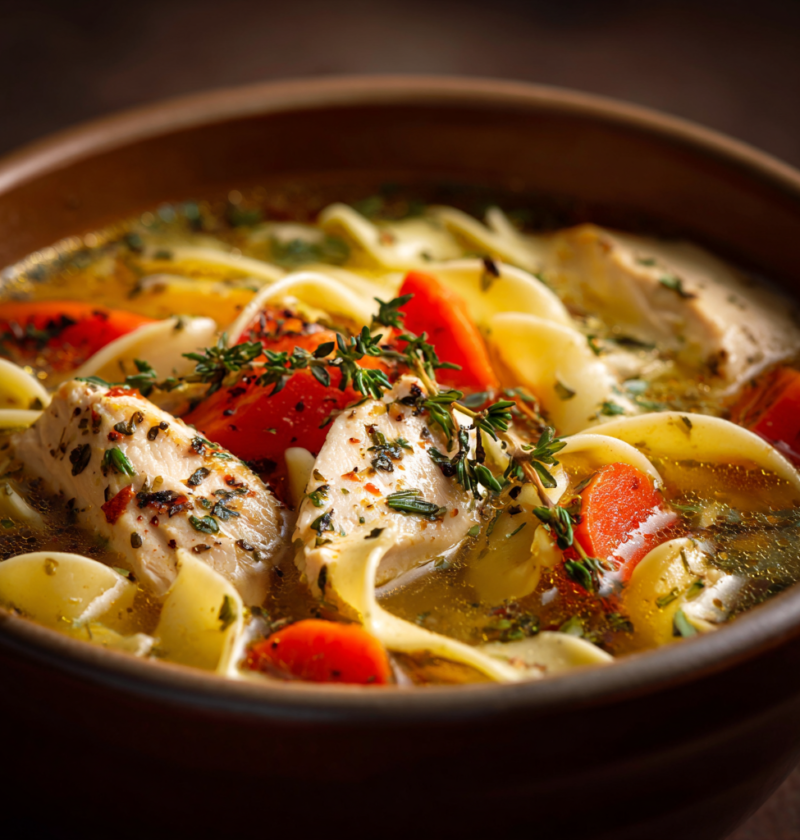
Imagine sipping a steaming bowl of chicken noodle soup on a cold winter day, with tender chicken, perfectly cooked vegetables, and rich broth that warms you from inside out. This winter chicken noodle soup recipe transforms humble ingredients into something deeply comforting that feels like a warm hug in a bowl. What makes this recipe truly special is how it balances homemade quality with straightforward simplicity, delivering restaurant-worthy soup without requiring special techniques or hard-to-find ingredients. The broth develops genuine depth through careful cooking, while vegetables soften into tender perfection and noodles achieve ideal texture without becoming mushy. Each spoonful delivers warmth, nourishment, and that deeply satisfying comfort that makes winter meals genuinely enjoyable rather than merely functional. Whether you’re recovering from illness, seeking quick weeknight dinners, wanting to impress family with homemade soup, or simply craving genuine comfort food, this winter chicken noodle soup accomplishes all four with impressive results that taste like they simmered for hours despite taking under an hour total.
Ingredients
Servings: 6-8
- 2 pounds boneless, skinless chicken breasts or thighs
- 8 cups low-sodium chicken broth
- 3 medium carrots, peeled and sliced into rounds
- 3 celery stalks, chopped
- 1 medium yellow onion, diced
- 3 cloves garlic, minced
- 2 bay leaves
- 1 teaspoon dried thyme
- 1 teaspoon dried parsley
- 1/2 teaspoon black pepper
- 1 teaspoon sea salt (adjust to taste)
- 8 ounces egg noodles or your preferred pasta
- 2 tablespoons olive oil
- 2 tablespoons butter (optional, for richness)
- Juice of one-half lemon
- Fresh parsley for garnish (optional)
- Crushed red pepper flakes (optional, for heat)
Why This Winter Soup Delivers Genuine Comfort
First, slow-simmered broth develops complex flavor that bottled versions cannot achieve, creating genuine depth and richness. Meanwhile, the combination of celery, carrots, and onions creates a aromatic base that’s foundational to French cooking traditions. However, the real magic lies in how these simple ingredients combine to create something that tastes more sophisticated than the effort required. Additionally, tender chicken provides protein while vegetables add fiber and nutrients that nourish your body. As a result, this soup delivers both physical warmth and emotional comfort that makes it genuinely satisfying on winter days.
Step-by-Step Instructions
1. Prepare your ingredients before cooking begins. To begin, wash all fresh vegetables thoroughly and pat dry with paper towels. Next, peel and slice your carrots into uniform rounds about one-quarter inch thick. Additionally, chop your celery stalks into half-inch pieces. Meanwhile, dice your yellow onion into small, consistent pieces. However, don’t worry about precision—vegetable cuts don’t need to be perfect. Furthermore, mince your garlic finely so it distributes throughout the soup evenly.
2. Heat your oil in a large pot over medium heat. Pour two tablespoons of olive oil into a large soup pot or Dutch oven. Next, place it over medium heat and allow the oil to shimmer and become fragrant. Meanwhile, proper heat ensures your vegetables sauté rather than steam. Additionally, a large pot prevents crowding and allows proper cooking. However, ensure your pot is large enough to hold all ingredients comfortably.
3. Sauté your aromatic vegetables to develop flavor. Add your diced onion, chopped celery, and minced garlic to the hot oil. Next, stir occasionally for about five to seven minutes, until vegetables become soft and fragrant. Meanwhile, this sautéing step develops deeper flavor through caramelization. Additionally, you’ll notice the kitchen filling with wonderful aromas. However, avoid browning vegetables excessively—you want them softened and fragrant, not charred.
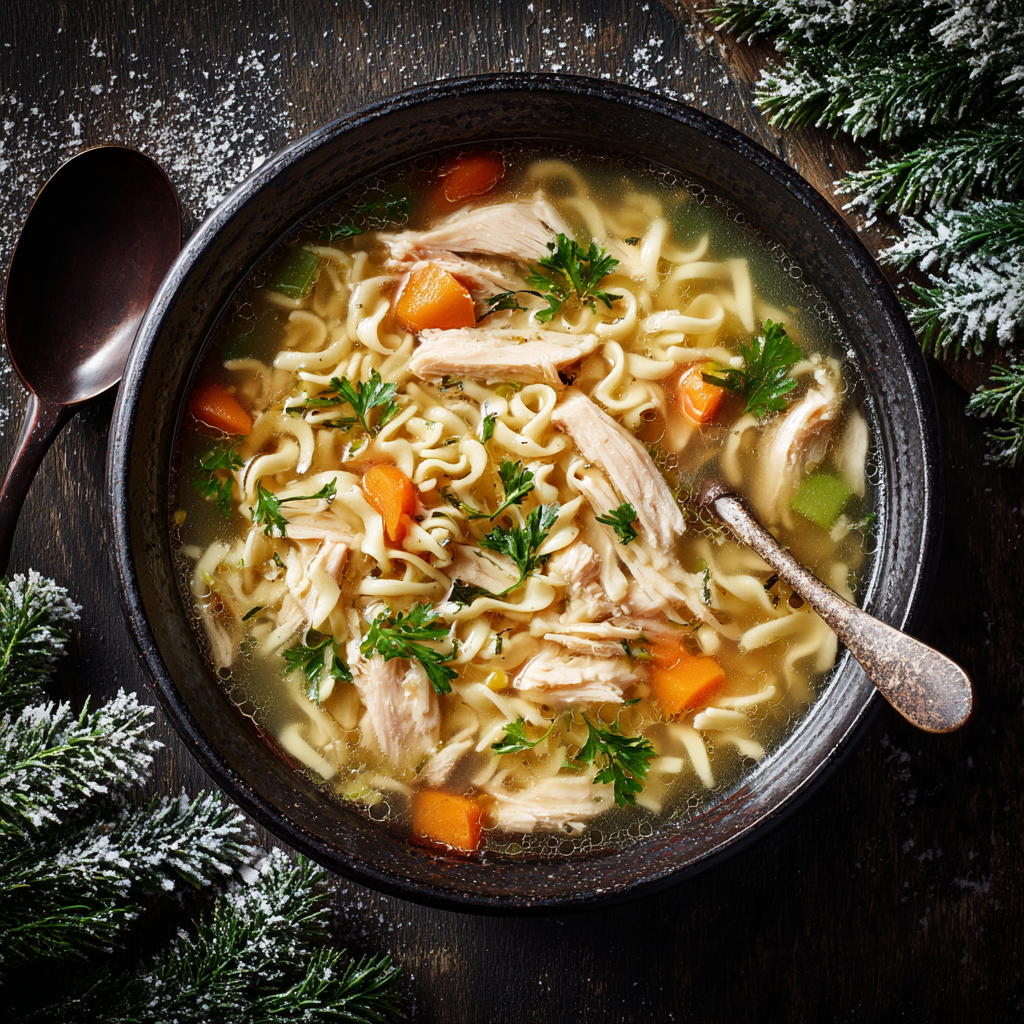
4. Add your chicken broth carefully. Pour your chicken broth into the pot with the softened vegetables. Next, add your bay leaves, dried thyme, dried parsley, black pepper, and sea salt. Using a wooden spoon, stir everything together, incorporating the vegetables and seasonings throughout the broth. Meanwhile, the liquid will immediately become aromatic with the seasonings. Additionally, the vegetables will release their flavors into the broth.
5. Bring the broth to a gentle boil. Increase your heat to medium-high and allow the broth to come to a boil. Next, you’ll see bubbles breaking the surface actively. However, once boiling begins, reduce the heat to medium or medium-low to create a gentle simmer. Meanwhile, vigorous boiling can cause broth to become cloudy and vegetables to break apart. Additionally, a gentle simmer develops better flavor while maintaining ingredient integrity.
6. Add your chicken to the simmering broth. Place your chicken breasts or thighs directly into the simmering broth. Next, ensure they’re mostly submerged beneath the liquid. Meanwhile, the chicken will cook through the gentle heat of the simmering broth. Additionally, the chicken releases its own flavors into the broth as it cooks. However, don’t worry about the chicken being completely covered—it will partially cook on top as it simmers.
7. Simmer until chicken is completely cooked through. Allow your soup to simmer gently for about 15-20 minutes, depending on the thickness of your chicken pieces. Next, the chicken is done when it reaches an internal temperature of 165 degrees Fahrenheit. Meanwhile, you can check doneness by cutting into the thickest piece—no pink should remain. Additionally, fully cooked chicken becomes opaque rather than translucent. However, don’t overcook the chicken, as it becomes dry and tough.
8. Remove chicken carefully and let it cool briefly. Using tongs or a slotted spoon, carefully remove the cooked chicken from the broth. Next, place it on a clean cutting board. Meanwhile, allow it to cool for just a few minutes so you can handle it safely. Additionally, the chicken is hot enough to burn your mouth, so brief cooling is important. However, don’t allow it to cool completely—warm chicken shreds more easily than cold chicken.
9. Shred your chicken into bite-sized pieces. Using two forks, pull the chicken apart into shreds. Next, aim for pieces about half-inch to one-inch in size—these are substantial enough to eat with a spoon. Meanwhile, shredding creates more appealing texture than leaving chicken in large chunks. Additionally, shredded chicken distributes more evenly throughout the soup. However, don’t over-shred into tiny fragments—you want pieces that have substance.
10. Add sliced carrots to the simmering broth. Add your sliced carrots to the broth if you haven’t already. Next, they’ll cook in the simmering liquid for about 10-12 minutes until tender. Meanwhile, carrots add sweetness and nutrition to the soup. Additionally, the cooking time allows them to soften to perfect tenderness. However, avoid overcooking carrots, as they become mushy and lose their appealing texture.
11. Return your shredded chicken to the pot. Pour your shredded chicken back into the simmering broth with the vegetables. Next, stir gently to distribute the chicken evenly throughout. Meanwhile, the chicken reheats gently in the warm broth. Additionally, all your components are now working together. However, be gentle when stirring to avoid breaking the chicken into tiny pieces.
12. Cook your noodles separately according to package directions. In a separate pot, bring water to a boil and cook your egg noodles according to their package instructions. Next, typically this takes about 7-10 minutes depending on the noodle type. Meanwhile, cooking noodles separately prevents them from absorbing too much broth and becoming overcooked. Additionally, this allows you to control noodle texture precisely. However, if you prefer very tender noodles or soup with more broth, you can cook noodles directly in the soup.
13. Drain your cooked noodles thoroughly. Once the noodles reach your desired tenderness, drain them in a colander. Next, shake the colander to remove excess water. Meanwhile, well-drained noodles prevent the soup from becoming too brothy. Additionally, draining prevents noodle starch from clouding your broth. However, don’t rinse the noodles—this removes their natural starch that helps them maintain texture.
14. Add your drained noodles to the soup pot. Pour your drained noodles directly into the simmering broth with the chicken and vegetables. Next, stir gently to distribute noodles throughout. Meanwhile, the noodles will absorb some broth as they sit, becoming more flavorful. Additionally, combining noodles with the warm broth keeps them from cooling. However, avoid stirring excessively, which can break the noodles into fragments.
15. Season and adjust flavors to perfection. Taste your soup and adjust seasonings as needed. Next, add more sea salt if necessary, black pepper for heat, or lemon juice for brightness. Meanwhile, the lemon juice adds subtle acidity that prevents the soup from tasting flat. Additionally, fresh herbs provide aromatic complexity. However, taste before adding more salt—chicken broth already contains sodium.
16. Add optional richness if desired. If desired, stir in two tablespoons of butter for added richness and silky mouthfeel. Next, the butter melts into the warm broth beautifully. Meanwhile, butter adds luxurious flavor without being heavy. However, this addition is entirely optional and depends on your preference. Additionally, some people prefer the soup without extra fat.
17. Serve immediately while hot and aromatic. Ladle your soup into serving bowls. Next, garnish with fresh parsley if desired, and a pinch of crushed red pepper flakes for those who prefer heat. Meanwhile, serve immediately while the soup is still steaming. Additionally, bread, crackers, or grilled cheese sandwiches pair beautifully. However, the soup is absolutely satisfying and complete on its own.
Serving and Storage Tips
How to Serve Your Winter Chicken Noodle Soup
First, serve your soup hot in warmed bowls for maximum comfort and appeal. Next, pair with crusty bread for dipping or grilled cheese sandwiches for the ultimate comfort meal. Additionally, fresh parsley, black pepper, or crushed red pepper flakes allow guests to customize their bowls. However, the soup is equally satisfying enjoyed plain without any additions. Furthermore, this soup works equally well for quick weeknight dinners and leisurely weekend meals. As a result, serve whenever you need comfort and nourishment.
Proper Storage and Extended Shelf Life
To begin, store leftover chicken noodle soup in an airtight container in the refrigerator for up to five days. Next, the flavors actually deepen as the soup sits, making it wonderful for next-day enjoyment. Additionally, proper storage ensures food safety and maintains soup quality. However, store noodles separately if making soup days ahead, as noodles continue absorbing broth and become mushy over time. Furthermore, this soup freezes beautifully for up to three months in freezer-safe containers, though noodles may become slightly softer. Additionally, thaw frozen soup overnight in the refrigerator before reheating gently on the stovetop. In contrast to other dishes, soup actually improves as flavors meld during storage.
Helpful Notes and Tips for Success
Understanding key techniques ensures your winter chicken noodle soup turns out absolutely delicious every single time. First, using low-sodium broth allows you to control salt levels and prevents the soup from becoming overly salty as it reduces. Meanwhile, homemade broth is superior to store-bought if you have time, but quality store-bought broth produces excellent results. However, avoid ultra-salty broths that overpower other flavors.
Next, the gentle simmer is absolutely crucial for developing proper flavor and maintaining ingredient integrity. Additionally, vigorous boiling clouds the broth and can toughen chicken. Meanwhile, a gentle simmer—where small bubbles occasionally break the surface—is perfect. However, maintaining proper temperature throughout cooking requires attention. As a result, adjust heat as needed to maintain gentle simmering.
Furthermore, separate noodle cooking prevents them from becoming mushy and clouding the broth with excess starch. To begin, this also allows you to control noodle texture precisely. Meanwhile, some people prefer very tender noodles while others like firmer texture. However, whichever you prefer, separate cooking gives you that control. Additionally, draining noodles before adding to soup prevents excessive starch from clouding broth.
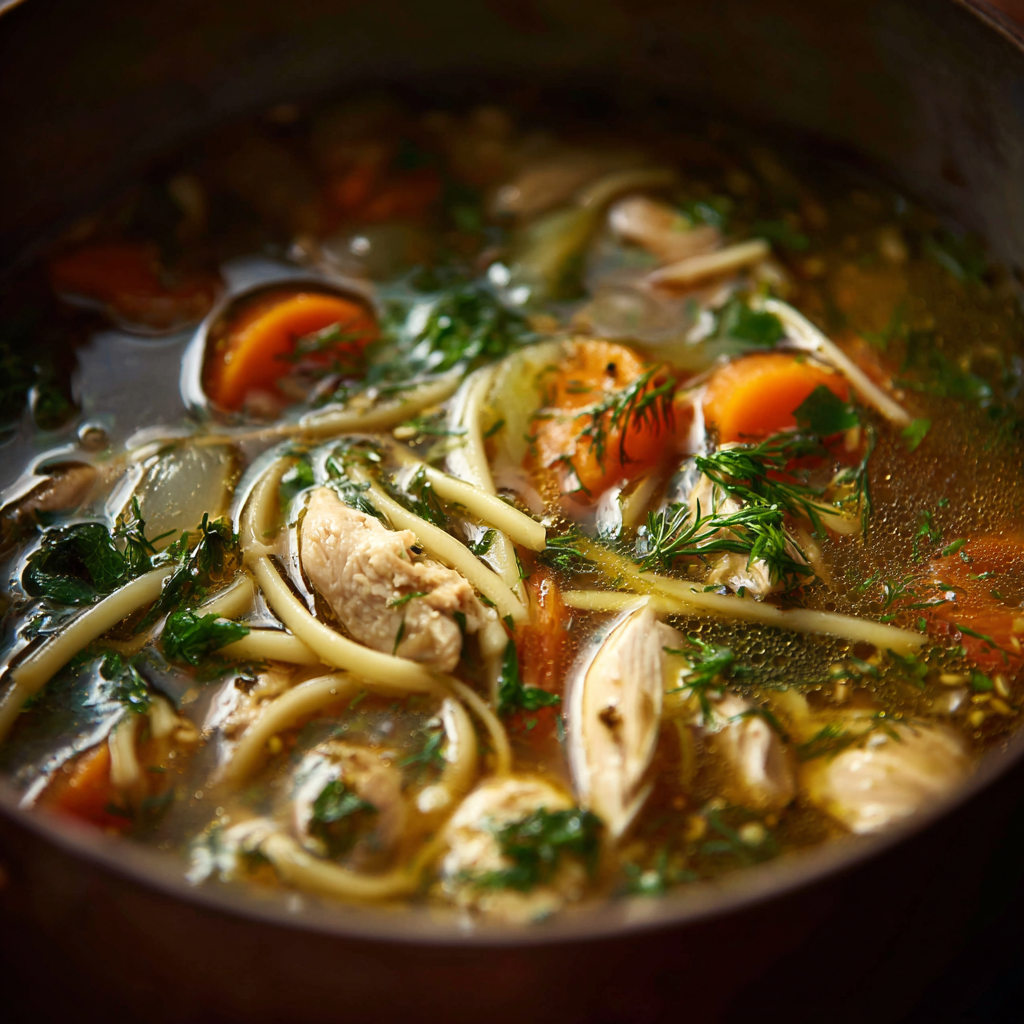
Additionally, proper seasoning is absolutely essential for creating delicious soup. To begin, taste as you cook and adjust seasonings throughout. Meanwhile, lemon juice adds brightness that prevents the soup from tasting flat. However, add lemon cautiously—you want brightness, not sour soup. Furthermore, bay leaves and dried herbs provide aromatic depth that becomes more pronounced with time.
Finally, the quality of your chicken affects the final soup’s texture and flavor. To begin, boneless, skinless chicken breasts are convenient and lean, while thighs provide more flavor. Meanwhile, either works beautifully in this recipe. However, ensure chicken is fully cooked through before shredding. As a result, using a meat thermometer removes guesswork.
Common Mistakes to Avoid
To begin, one frequent error is overcooking the chicken, resulting in dry, tough shreds. Meanwhile, cooking just until done through (165 degrees Fahrenheit) prevents this issue. However, a meat thermometer eliminates guesswork. Additionally, another mistake involves cooking noodles in the broth, causing them to become mushy and cloud the broth.
Furthermore, some home cooks skip sautéing the aromatics, missing out on the depth of flavor this step develops. In contrast, sautéing creates caramelization that makes soup significantly more flavorful. Additionally, vigorous boiling is a common error that clouds broth and breaks apart vegetables. However, maintaining gentle simmer prevents these issues.
Finally, underseasoning is frequent—people often think soup should be less seasoned than other dishes. Meanwhile, proper seasoning is absolutely essential. As a result, taste and adjust throughout cooking.
Chef Tips
Professional chefs recommend preparing a batch of homemade chicken broth on weekends, then freezing it in portions for convenient soup-making throughout the week. Additionally, for extra depth, brown the chicken pieces briefly in the oil before adding broth—this develops additional flavor through the Maillard reaction.
Frequently Asked Questions
Can I use rotisserie chicken instead of cooking chicken from scratch? Absolutely. Use about three cups of shredded rotisserie chicken, adding it at the end so it just heats through without drying out further. This saves cooking time while maintaining flavor.
How can I make this soup dairy-free? Simply omit the butter or substitute dairy-free butter alternative. The soup is naturally dairy-free without butter—this addition is optional.
Can I add more vegetables to this soup? Absolutely. Add mushrooms, spinach, peas, zucchini, or whatever vegetables you prefer. Adjust cooking times based on vegetable type.
Is this soup suitable for freezing? Yes, it freezes beautifully for up to three months in freezer-safe containers. Consider storing noodles separately since they continue absorbing broth when frozen together.
Can I make this in a slow cooker? Yes, combine all ingredients except noodles in a slow cooker and cook on low for 6-8 hours or high for 3-4 hours. Add noodles during the last 15 minutes of cooking.
Why This Winter Chicken Noodle Soup Becomes a Comfort Classic
First, the combination of genuine homemade quality with straightforward simplicity makes this soup approachable for cooks of all skill levels. Next, the warming broth and tender ingredients provide physical comfort on cold winter days. Meanwhile, the familiar flavors and aromas trigger positive memories and emotions. Additionally, the nutritional balance ensures genuine satiety that lasts for hours. Furthermore, the relatively quick preparation time means you can have homemade soup on the table in under an hour.
As a result, this winter chicken noodle soup bridges the gap between convenience and genuine quality perfectly. In contrast to canned soup filled with preservatives and artificial flavoring, homemade versions taste noticeably superior. However, homemade soup requires minimal additional effort beyond basic cooking skills. Additionally, once you master this basic recipe, you’ll find yourself making variations with different vegetables or noodles. Therefore, this recipe deserves a permanent place in your winter meal rotation.
The Bottom Line
Winter chicken noodle soup represents the ideal solution for those seeking genuine comfort food that nourishes both body and soul. Next, whether you’re recovering from illness, seeking quick weeknight dinners, wanting to impress family, or simply craving genuine comfort, this recipe delivers professional results every single time. Additionally, the combination of simmered broth, tender chicken, soft vegetables, and perfectly cooked noodles creates something genuinely memorable and worth making regularly.
To begin your winter soup journey, gather quality chicken broth and fresh vegetables this week. Afterward, set aside an hour on your next cold day to create a big batch. Furthermore, as you sip your steaming bowl and feel the warmth penetrate to your core, you’ll understand why chicken noodle soup has remained a beloved comfort food for generations. The genuine warmth, nourishing nutrition, impressive flavor, and remarkable simplicity combine to create something truly special that transforms cold winter days into moments of genuine comfort and wellness.
Did you adore this winter chicken noodle soup recipe? We’d absolutely love to hear about it! Please save this recipe for your next cold day, pin it to your Pinterest board for easy access, and share it with friends and family who deserve comforting, nourishing homemade soup. Your love and support mean everything to us—every save, share, and pin encourages us to create more delicious recipes and helpful cooking content. Thank you for being part of our warm, welcoming culinary community!