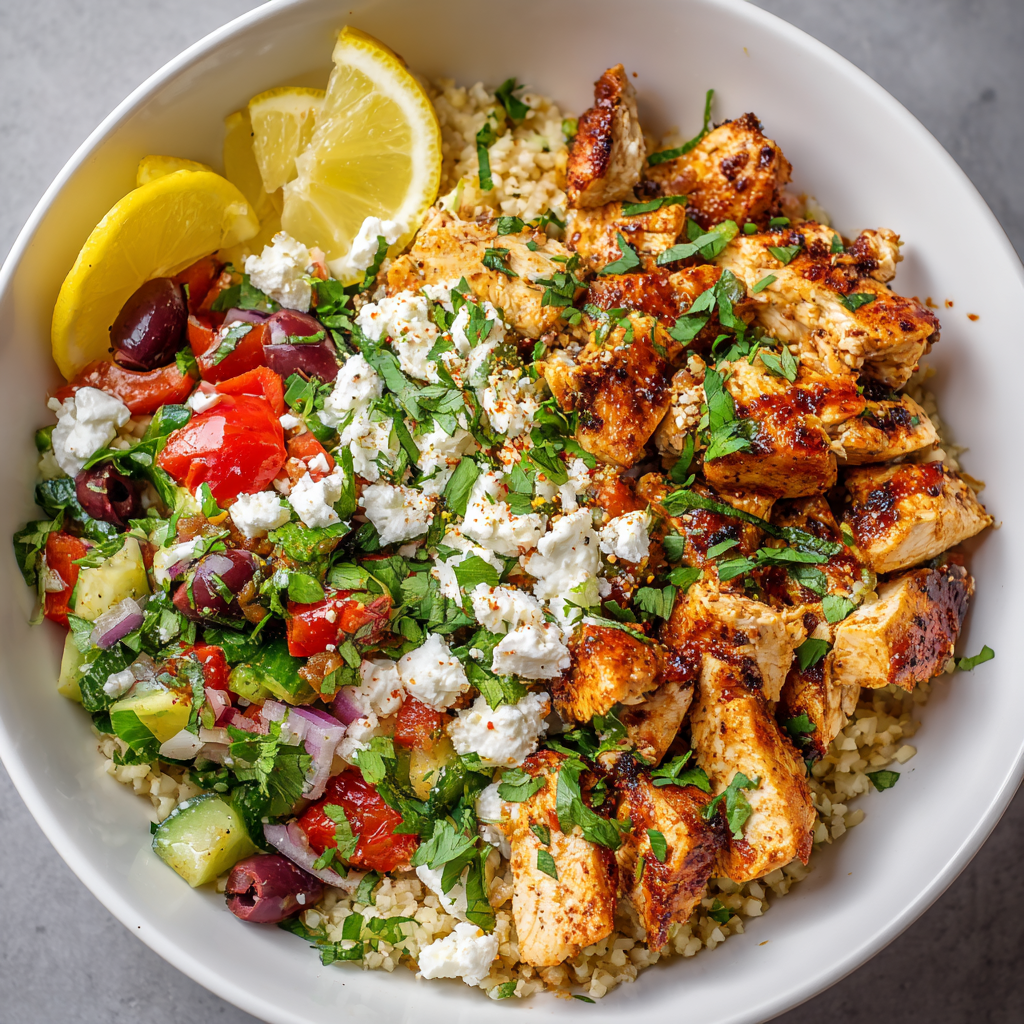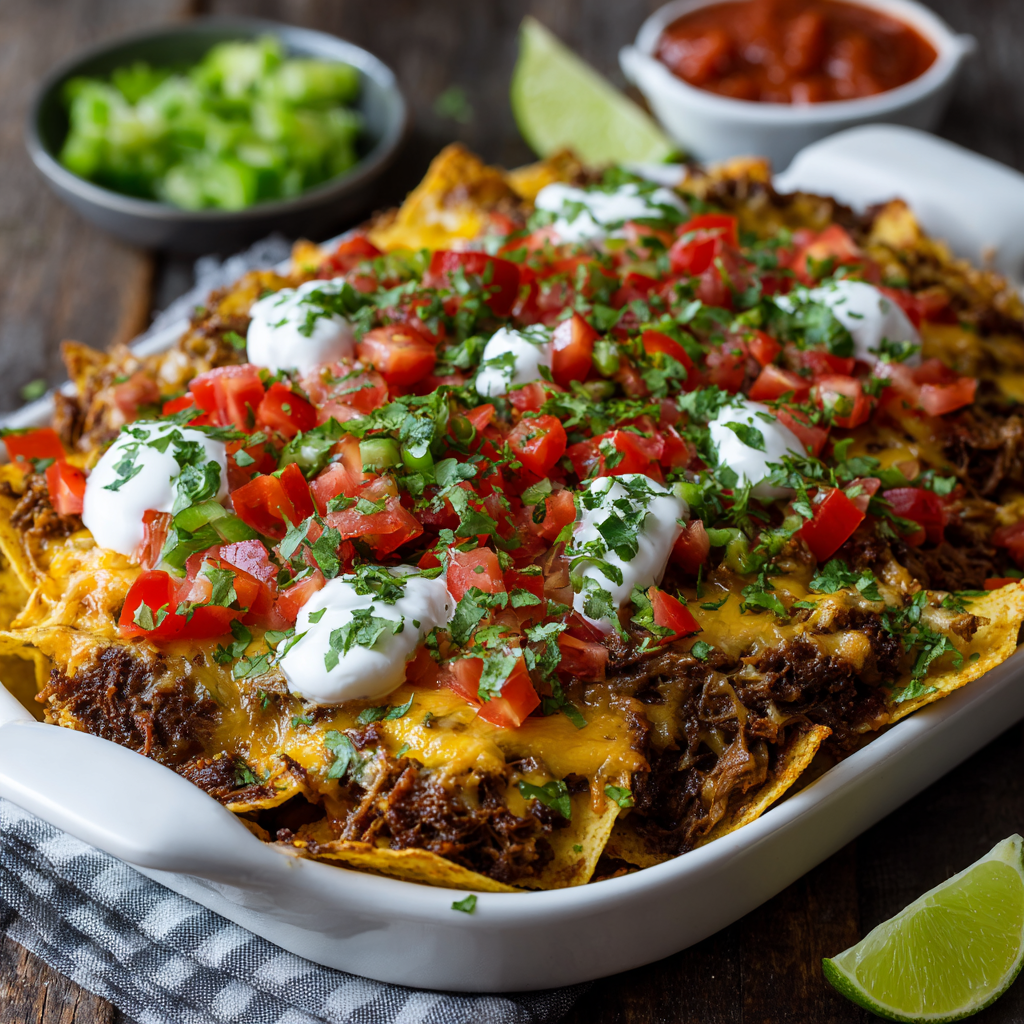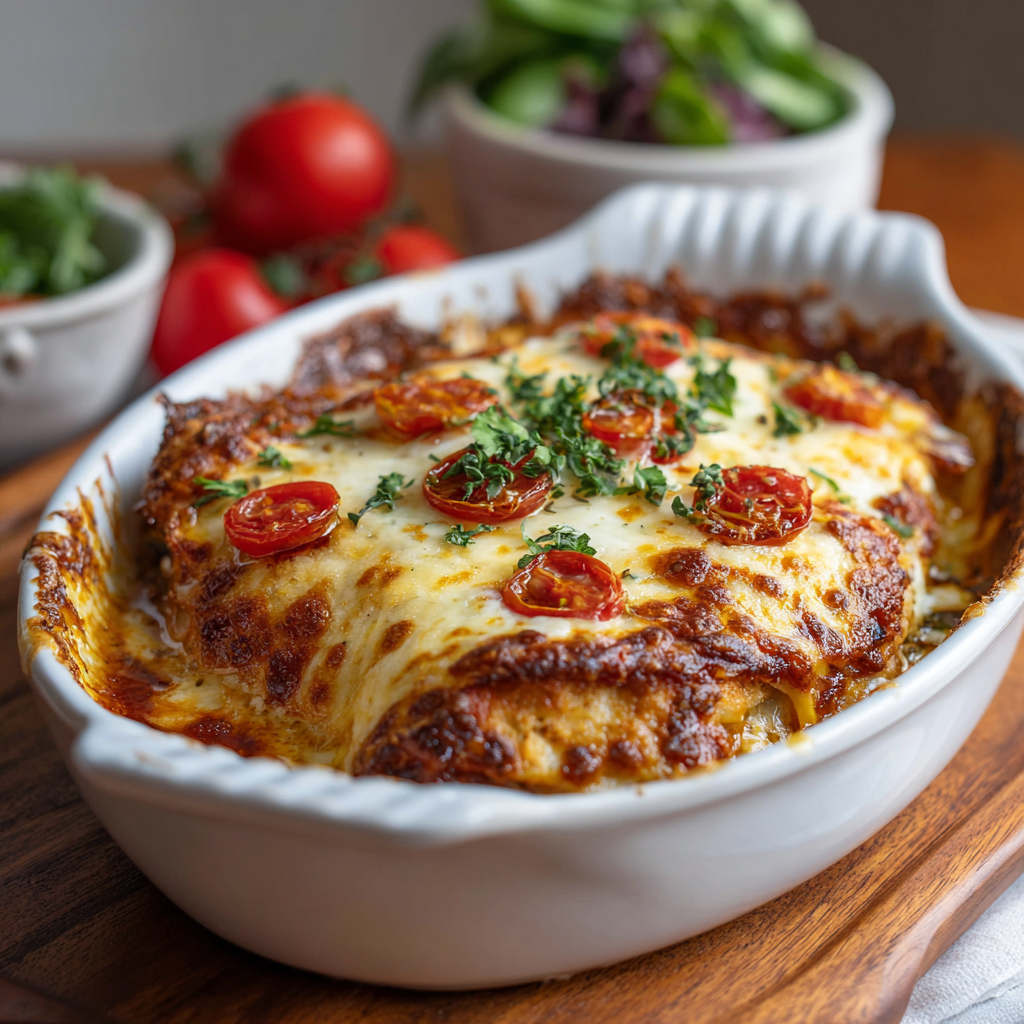
When winter nights demand something warm, cheesy, and utterly satisfying, nothing delivers Italian comfort quite like golden-crusted chicken Parmesan smothered in marinara sauce and melted mozzarella that stretches beautifully with every forkful. This beloved Italian-American classic combines crispy breaded chicken, rich tomato sauce, and bubbling cheese into a dish that feels like a celebration on a plate. What makes this recipe truly exceptional is how it achieves that perfect combination of crunchy exterior and tender, juicy interior while creating layers of flavor that make every bite absolutely irresistible. The combination of properly breaded chicken, homemade or quality marinara sauce, and the right cheese blend creates restaurant-quality results that will have everyone asking for seconds. Whether you’re feeding your family on a snowy evening, impressing dinner guests with your cooking prowess, or simply treating yourself to comfort food that truly satisfies, this chicken Parmesan delivers soul-warming deliciousness that defines winter cooking. Best of all, while it looks and tastes impressive, the technique is straightforward enough for any home cook to master, proving that Italian restaurant favorites are absolutely achievable in your own kitchen.
Ingredients
This recipe makes 4 servings.
For the Chicken:
- 4 boneless, skinless chicken breasts (6 to 8 ounces each)
- 1 teaspoon salt
- 1/2 teaspoon black pepper
- 1 teaspoon garlic powder
- 1/2 teaspoon Italian seasoning
For the Breading Station:
- 1 cup all-purpose flour
- 3 large eggs
- 2 tablespoons milk
- 2 cups Italian-seasoned breadcrumbs
- 1 cup panko breadcrumbs
- 1 cup freshly grated Parmesan cheese
- 1 teaspoon garlic powder
- 1 teaspoon dried basil
- 1 teaspoon dried oregano
- 1/2 teaspoon salt
For Cooking and Assembly:
- 1/2 cup olive oil (for frying)
- 2.5 cups marinara sauce (homemade or quality store-bought)
- 2 cups shredded mozzarella cheese
- 1/2 cup freshly grated Parmesan cheese
- Fresh basil leaves for garnish
For Serving:
- 1 pound spaghetti or pasta of choice
- Additional marinara sauce
- Fresh parsley, chopped
- Extra Parmesan cheese
Instructions
- Preheat your oven to 400°F and position the rack in the center.
- Place the chicken breasts on a cutting board and cover with plastic wrap.
- Pound the chicken to even 1/2-inch thickness using a meat mallet or rolling pin.
- Season both sides of the pounded chicken with salt, pepper, garlic powder, and Italian seasoning.
- Set up three shallow bowls for your breading station in assembly-line fashion.
- Add the flour to the first bowl.
- Whisk together the eggs and milk in the second bowl until well combined.
- Combine the Italian breadcrumbs, panko, Parmesan, garlic powder, basil, oregano, and salt in the third bowl.
- Dredge each chicken breast in flour, shaking off excess completely.
- Dip the floured chicken into the egg mixture, coating both sides thoroughly.
- Press the chicken into the breadcrumb mixture, coating both sides generously and pressing to adhere.
- Place the breaded chicken on a clean plate and repeat with remaining pieces.
- Heat the olive oil in a large skillet over medium-high heat until shimmering.
- Carefully place 2 chicken breasts in the hot oil, not overcrowding the pan.
- Fry for 4 to 5 minutes per side until deep golden brown and crispy.
- Transfer the fried chicken to a paper towel-lined plate to drain excess oil.
- Repeat with the remaining chicken breasts, adding more oil if needed.
- Meanwhile, bring a large pot of salted water to a boil for the pasta.
- Spread 1 cup of marinara sauce across the bottom of a 9×13-inch baking dish.
- Arrange the fried chicken breasts in a single layer over the sauce.
- Spoon the remaining marinara sauce over each chicken breast generously.
- Top each piece with shredded mozzarella cheese, covering completely.
- Sprinkle the grated Parmesan cheese over the mozzarella evenly.
- Bake uncovered for 15 to 20 minutes until the cheese melts and bubbles.
- While the chicken bakes, cook the pasta according to package directions until al dente.
- Remove the chicken Parmesan from the oven when the cheese is golden and bubbly.
- Let rest for 3 to 5 minutes before serving.
- Drain the pasta and toss with additional marinara sauce.
- Serve the chicken Parmesan over the sauced pasta or alongside it.
- Garnish with fresh basil leaves, chopped parsley, and extra Parmesan cheese.
Preparing and Pounding the Chicken
Achieving perfectly cooked chicken Parmesan starts with properly preparing the chicken breasts to ensure even thickness throughout. Pounding the chicken to uniform 1/2-inch thickness serves multiple crucial purposes that dramatically improve final results. First, even thickness ensures the chicken cooks uniformly—no more raw centers while the edges overcook and dry out. Additionally, thinner chicken cooks faster, which means the breading has less time to burn before the meat reaches safe temperature. Finally, pounded chicken creates larger surface area for that delicious crispy coating everyone loves.
Using a meat mallet or even a rolling pin between sheets of plastic wrap prevents mess and allows you to control the force and evenness of the pounding. Start from the center and work outward, using gentle but firm strokes rather than aggressive pounding that tears the meat. The goal is even thickness rather than paper-thin chicken, so stop once you reach that ideal 1/2-inch throughout. This simple step takes just a minute per breast but makes enormous difference in cooking success and eating experience.
Seasoning the chicken before breading builds flavor from within rather than just relying on the coating for all the taste. Salt, pepper, garlic powder, and Italian seasoning create savory depth that makes the chicken itself delicious rather than just a vehicle for breading and sauce. Don’t skip this step—it’s the difference between chicken that tastes seasoned throughout versus chicken that tastes like bland meat wrapped in flavorful coating. These foundational flavors ensure every element of the dish contributes to the overall deliciousness.
Mastering the Three-Step Breading Process
The three-step breading process—flour, egg, breadcrumbs—creates the crispy, golden crust that defines great chicken Parmesan. Each step serves a specific purpose in building layers that adhere properly and create ideal texture. The flour dries the chicken’s surface and creates a base layer for the egg to grip. The egg wash acts as glue that holds the final breadcrumb coating in place. The breadcrumb mixture provides the crunchy, flavorful exterior that makes chicken Parmesan so irresistible.
Combining Italian breadcrumbs with panko creates superior texture compared to using either alone. Italian breadcrumbs provide seasoning and fine texture, while panko contributes larger, flakier crumbs that create extra crunch and lighter, airier coating. Additionally, adding freshly grated Parmesan directly to the breadcrumb mixture builds in cheesy flavor that complements the final melted cheese topping. The herbs mixed into the breading create aromatic complexity that makes every bite more interesting and flavorful.
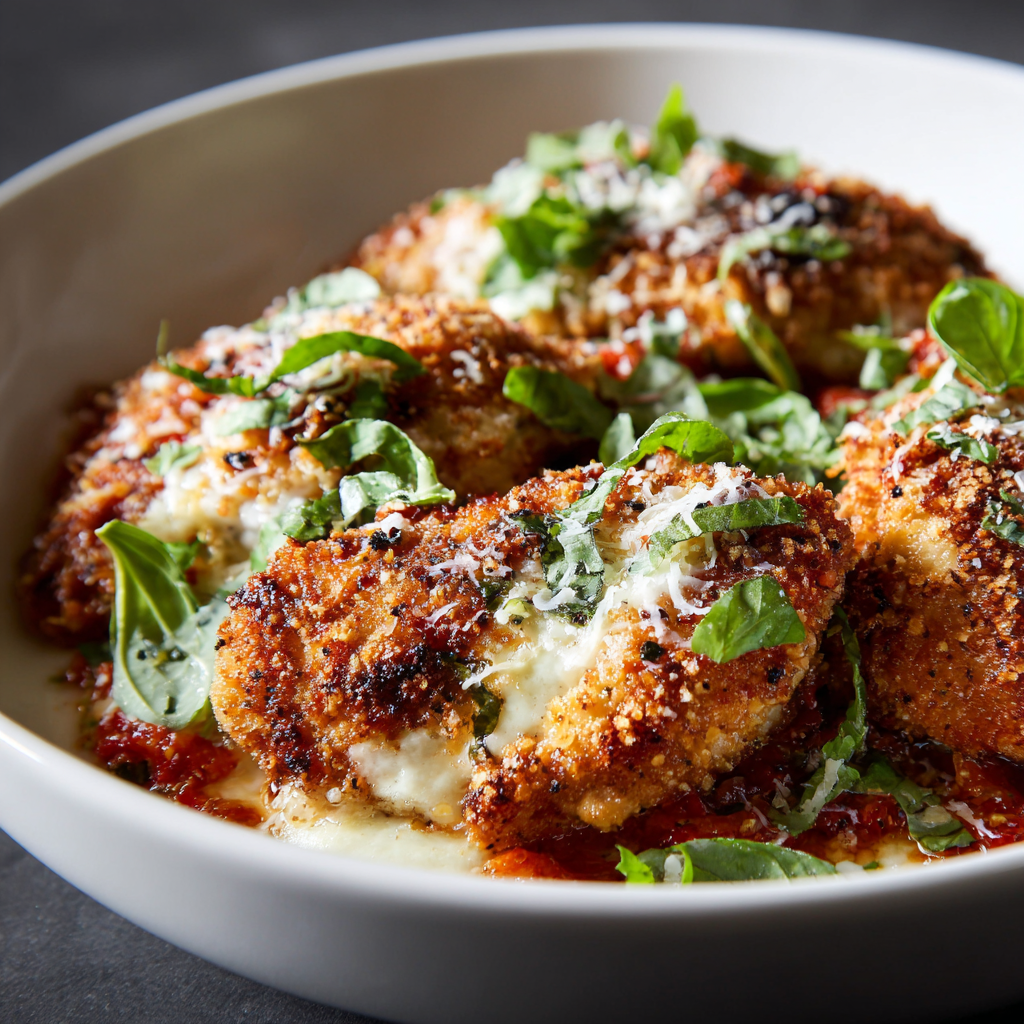
Pressing the breadcrumbs firmly into the chicken ensures good adhesion that prevents the coating from falling off during frying. Use your hands to really pack that breading on, creating an even, substantial layer on both sides. Once breaded, let the chicken rest for 5 to 10 minutes if time allows—this brief rest helps the coating set and adhere better, reducing the likelihood of it separating during cooking. These careful techniques create restaurant-quality breading that stays crispy and intact rather than falling off in disappointing patches.
Achieving Perfect Golden-Brown Frying
Frying the chicken to golden-brown perfection requires proper oil temperature and careful attention that prevents greasy or burnt results. Medium-high heat creates the ideal frying environment—hot enough to crisp the breading quickly without excessive oil absorption, but not so hot that the coating burns before the chicken cooks through. The oil should shimmer and ripple slightly when ready, or register 350°F to 375°F on a thermometer. Testing with a small piece of breadcrumb that should sizzle immediately indicates proper temperature.
Avoid overcrowding the pan, which drops the oil temperature dramatically and causes steaming rather than frying. Cook just 2 chicken breasts at a time in a large skillet, leaving space between them for proper heat circulation. This patience ensures each piece develops that gorgeous golden crust rather than pale, soggy coating that results from crowding. Additionally, resist the temptation to move or flip the chicken repeatedly—let it sit undisturbed for the full cooking time on each side to develop proper color and crust.
Draining the fried chicken on paper towels removes excess surface oil without making the coating soggy. The brief rest on absorbent paper wicks away grease while the chicken stays hot and crispy. However, don’t let the chicken sit too long before moving to the baking dish—you want to finish cooking it in the oven while it’s still hot to ensure it stays crispy under the sauce and cheese. This timing creates chicken that remains relatively crispy even under all those delicious toppings.
Building Layers of Flavor
Creating exceptional chicken Parmesan involves thoughtful layering that ensures every component contributes its best flavor and texture. Starting with sauce on the bottom of the baking dish prevents the chicken from sticking and provides moisture that helps everything heat evenly. This base layer also means every bite includes that delicious marinara rather than having naked chicken on one side. Using quality marinara—whether homemade or carefully chosen store-bought—makes enormous difference since the sauce provides so much of the final flavor.
Topping each chicken breast generously with more sauce ensures the coating stays relatively moist and the flavors meld together beautifully during baking. However, don’t drown the chicken in sauce, which would make the breading completely soggy. Aim for generous spoonfuls that coat the top and sides while leaving some breading visible. This balance preserves some textural contrast while creating that saucy, indulgent quality that defines great chicken Parmesan.
The cheese combination of mozzarella and Parmesan creates ideal melting and flavor. Mozzarella provides that signature stretch and mild creaminess, while Parmesan contributes sharp, nutty depth that prevents the topping from tasting bland. Using freshly shredded mozzarella rather than pre-shredded ensures proper melting without the anti-caking agents that prevent smooth results. The final sprinkle of Parmesan creates beautiful golden spots during baking that add visual appeal and concentrated cheesy flavor.
Serving and Storing Tips
Serving Tips
Serve this chicken Parmesan hot from the oven when the cheese is at its stretchiest and most photogenic. Plating over a bed of spaghetti tossed with marinara creates classic presentation that feels generous and restaurant-worthy. Alternatively, serve the chicken alongside the pasta rather than on top, which allows both elements to shine and makes portioning easier. Garnishing with fresh basil leaves adds color, aroma, and bright flavor that balances the richness beautifully.
Classic accompaniments include garlic bread for soaking up extra sauce, a simple Caesar salad for crisp contrast, or roasted vegetables like zucchini and bell peppers for color and nutrition. A glass of red wine like Chianti or Montepulciano pairs wonderfully with the tomato sauce and cheese, creating authentic Italian dining experience. Additionally, offering extra Parmesan cheese and red pepper flakes at the table allows guests to customize their portions according to preference.
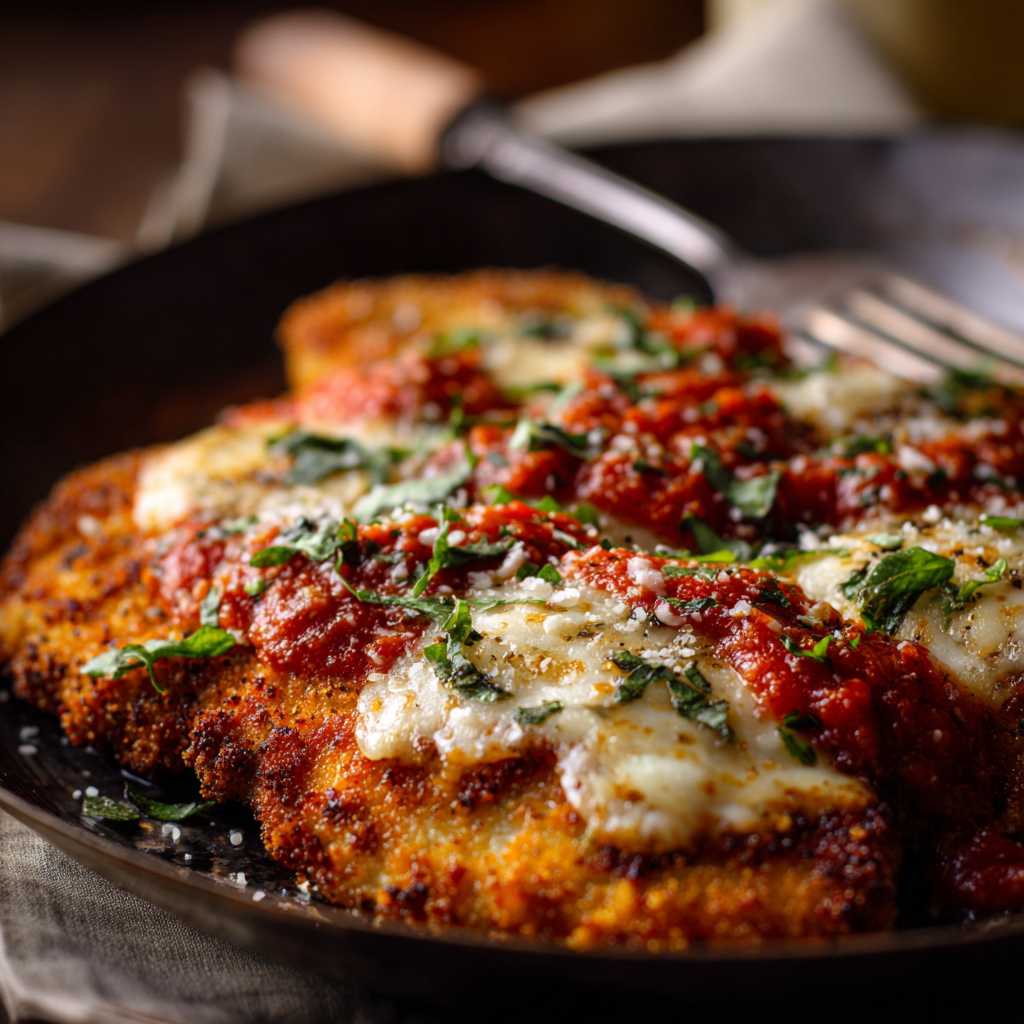
For family-style serving, place the entire baking dish on the table with serving utensils, allowing everyone to help themselves. This casual approach creates warm, convivial atmosphere perfect for family dinners. Alternatively, plate individual portions in the kitchen for more elegant presentation at dinner parties. Either way, serve immediately while everything is hot and the cheese is at peak stretchiness—chicken Parmesan waits for no one.
Storage Tips
Store leftover chicken Parmesan in airtight containers in the refrigerator for up to 3 days, keeping it separate from any leftover pasta to maintain better texture. The breading will soften during storage as it absorbs moisture from the sauce, though reheating in the oven can restore some crispness. When storing, arrange pieces in a single layer when possible to prevent them from sticking together or becoming compressed.
Reheating chicken Parmesan properly makes enormous difference in how enjoyable leftovers taste. Place pieces in a 350°F oven for 15 to 20 minutes until heated through and the cheese bubbles again. Covering loosely with foil prevents the cheese from drying out while still allowing some crisping. Avoid microwaving if possible, as it creates rubbery chicken and completely soggy breading that bears little resemblance to the original crispy glory.
Freezing uncooked breaded chicken works wonderfully for make-ahead convenience. Bread the chicken completely, then freeze the pieces in a single layer on a baking sheet before transferring to freezer bags. When ready to cook, fry directly from frozen (adding 1 to 2 extra minutes per side), then proceed with the sauce and cheese as directed. Alternatively, freeze fully cooked chicken Parmesan for up to 2 months, then reheat from frozen in a 350°F oven for 30 to 40 minutes.
Helpful Notes
Making chicken Parmesan more manageable for busy weeknights involves smart shortcuts that save time without sacrificing too much quality. Use quality store-bought marinara instead of homemade to eliminate an entire preparation step. Purchase pre-breaded chicken cutlets from the butcher if available, or use chicken tenders which are naturally thinner and require no pounding. These modifications reduce active cooking time significantly while still producing satisfying, homemade-tasting results.
For those wanting lighter versions that maintain good flavor while reducing calories, several adjustments help. Bake the breaded chicken on a rack instead of frying, brushing with olive oil spray for browning. Use part-skim mozzarella and reduce the cheese quantity slightly. Choose whole wheat breadcrumbs for added fiber. These modifications create lighter chicken Parmesan that still satisfies comfort food cravings while supporting wellness goals better than the fully indulgent version.
Customizing chicken Parmesan with interesting variations keeps it exciting across multiple preparations. Eggplant Parmesan uses sliced, breaded eggplant instead of chicken for vegetarian version. Chicken Parmesan sandwiches place the sauced, cheesy chicken on crusty rolls for handheld meal. Adding prosciutto and provolone creates fancy “Saltimbocca” variation. Spicy version uses hot Italian sausage in the marinara or adds red pepper flakes liberally. These variations showcase the recipe’s versatility and prevent boredom.
Common mistakes that ruin chicken Parmesan include using chicken that’s too thick, overcrowding during frying, or drowning the breaded chicken in too much sauce before baking. Always pound to even thickness, fry in uncrowded batches, and use sauce judiciously to preserve some textural contrast. Additionally, using pre-shredded cheese that won’t melt properly or skipping the Parmesan in the breading reduces final quality significantly. These simple precautions ensure restaurant-worthy results rather than disappointing homemade attempts.
Chef Tips
Professional chefs know that letting the breaded chicken rest briefly before frying helps the coating set and adhere better, reducing the likelihood of it falling off during cooking. Even just 10 minutes of rest makes noticeable difference in how well the breading stays attached. Additionally, keeping one hand designated for wet ingredients and the other for dry prevents your fingers from becoming coated in clumpy breading, making the process cleaner and more efficient.
Another expert technique involves adding a splash of the frying oil to your marinara sauce before assembling the dish. This might sound unusual, but it helps the sauce cling better to the crispy chicken and creates better integration of flavors. Just a tablespoon or two stirred into the marinara makes the final dish taste more cohesive and restaurant-quality. This professional trick creates results that taste like everything was meant to be together rather than separate elements sharing a plate.
Frequently Asked Questions
Can I bake the chicken instead of frying it? Yes, place breaded chicken on a wire rack over a baking sheet, spray with oil, and bake at 425°F for 20 to 25 minutes until golden and cooked through.
Why did my breading fall off during frying? The coating wasn’t pressed firmly enough, the chicken was too wet, or the oil wasn’t hot enough; ensure thorough drying and proper pressing.
Can I use chicken thighs instead of breasts? Absolutely, boneless skinless thighs work beautifully and stay even juicier; pound them to even thickness and proceed with the same method.
How do I prevent the chicken from drying out? Don’t pound too thin, don’t overcook during frying, and ensure the chicken reaches exactly 165°F without going higher.
Can I make this ahead for entertaining? Bread the chicken up to 24 hours ahead and refrigerate, or fully assemble in the baking dish and refrigerate, then bake when ready to serve.
Creating Italian Comfort Traditions
Few dishes capture the essence of Italian-American comfort quite like chicken Parmesan emerging golden and bubbling from the oven. This recipe represents more than dinner—it’s the kind of meal that creates special memories, brings families together, and provides genuine celebration of good food and togetherness. When you serve these crispy, cheesy chicken cutlets over pasta with plenty of sauce, you’re offering more than sustenance; you’re creating an experience of abundance and care that makes everyone feel special and thoroughly satisfied.
The practical advantages of homemade chicken Parmesan extend beyond its incredible taste to include remarkable versatility and crowd-pleasing reliability. This dish works equally well for casual family dinners, romantic date nights, or elegant entertaining where you want to impress without spending all day cooking. Furthermore, chicken Parmesan appeals universally—kids love it, adults appreciate it, and even picky eaters typically devour it enthusiastically, making it one of the safest choices for feeding diverse groups.
As you make chicken Parmesan repeatedly, you’ll develop your own signature touches and personal preferences. Perhaps you’ll perfect your marinara recipe, experiment with different cheese combinations, or create both traditional and lighter versions depending on the occasion. These personal adaptations transform a restaurant classic into your signature dish—something you become known for among friends and family who request it for special gatherings and celebrations.
The simple ritual of breading chicken with care, listening to it sizzle in hot oil, and watching cheese bubble and brown creates satisfaction that extends beyond eating. These acts of intentional cooking become expressions of love and care that make ordinary evenings feel special and create traditions that families remember across generations. Chicken Parmesan isn’t just food—it’s edible comfort that brings people together and makes winter nights feel warmer and more wonderful.
Did this Winter Chicken Parmesan become your new family favorite? If you loved how crispy the breading stayed, how perfectly the cheese melted, and how restaurant-quality everything tasted, we’d be thrilled if you could save this recipe for regular rotation, pin it to your Italian cooking Pinterest board, or share it with friends who appreciate the classics done right. Your support and enthusiasm inspire us to continue creating and sharing recipes that bring warmth, flavor, and joy to your table. Tell us in the comments what you served alongside your chicken Parmesan and whether this became a requested dish in your household—we love hearing about the comfort food traditions you’re creating!