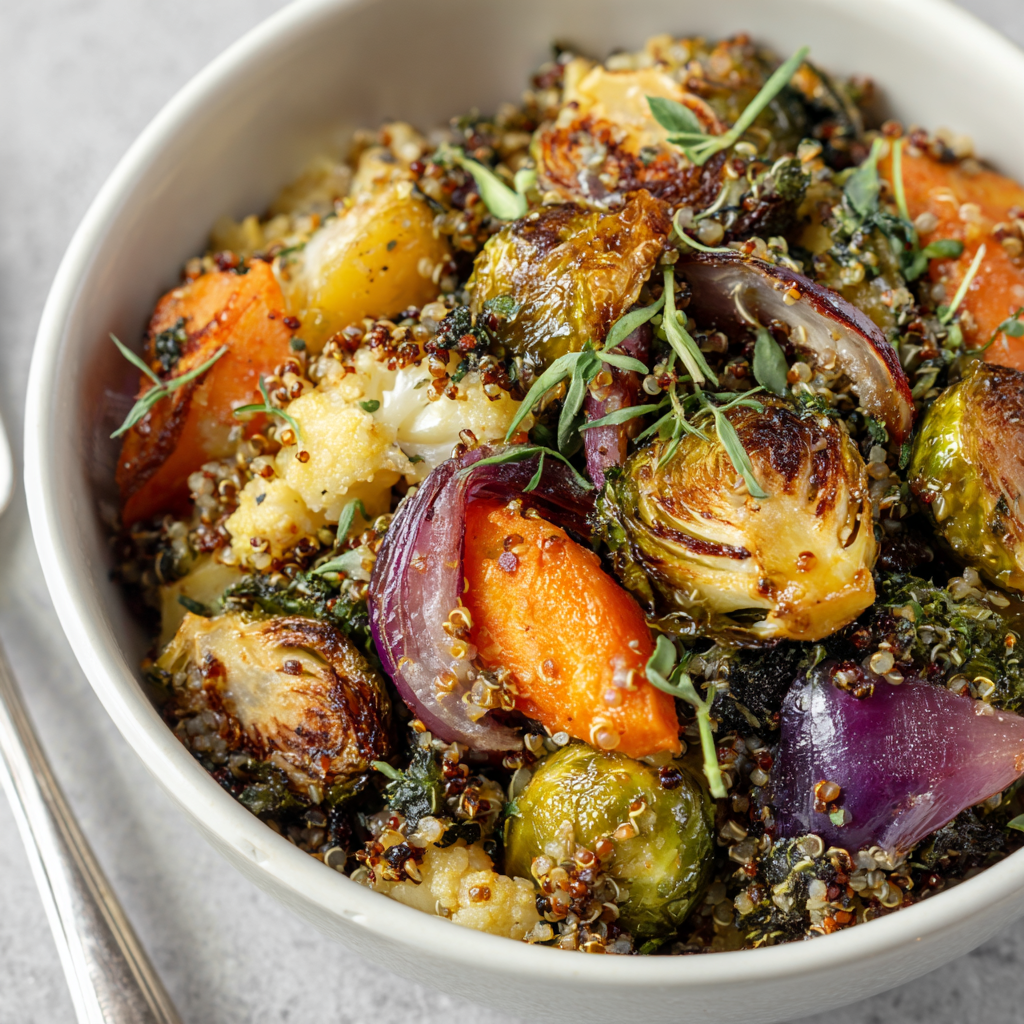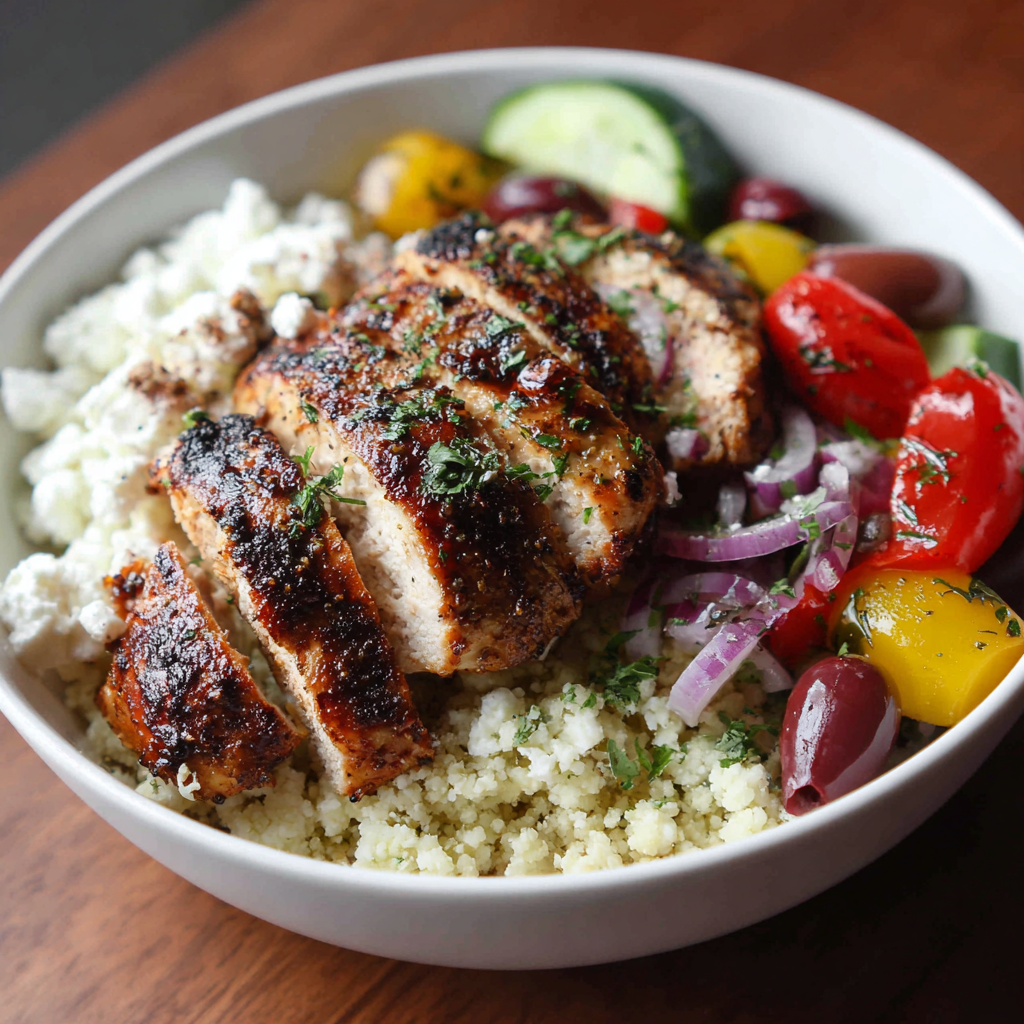
There’s something deeply comforting about a warm bowl filled with tender chicken, roasted vegetables, and creamy Mediterranean flavors during the cold months. Winter Greek Chicken Bowls bring the sun-soaked essence of the Greek islands directly to your dinner table, even when snow falls outside your window. These hearty yet healthy bowls transform simple ingredients into something that feels both nourishing and indulgent at once. First, they’re perfect for meal prep since each component stores beautifully and comes together in seconds throughout the week. Next, they satisfy cravings for something substantial without weighing you down, making them ideal for anyone seeking balanced nutrition. Additionally, the warm roasted vegetables combined with cool, tangy toppings create a perfect temperature and flavor contrast that keeps your palate engaged. Most importantly, these bowls prove that winter eating doesn’t have to mean heavy, complicated dishes—instead, you get bright Mediterranean flavors, protein-packed chicken, and the comfort of a homemade meal that tastes like you’ve spent hours in the kitchen.
Ingredients
This recipe makes 4 servings (one bowl per person).
- 1.5 pounds boneless, skinless chicken breasts
- 3 tablespoons extra virgin olive oil, divided
- 2 teaspoons dried oregano
- 1 teaspoon garlic powder
- 1 teaspoon dried thyme
- 1/2 teaspoon paprika
- Sea salt and black pepper to taste
- 2 medium zucchini, sliced into half-moons
- 1 red bell pepper, chopped into bite-sized pieces
- 1 medium red onion, cut into thick wedges
- 1 cup baby potatoes, halved
- 8 ounces mushrooms, sliced
- 3 cups cooked farro or brown rice
- 1 cup crumbled feta cheese
- 1/2 cup Kalamata olives, pitted and halved
- 1 cup cherry tomatoes, halved
- 1 cucumber, diced
- 1/4 cup fresh parsley, chopped
- 2 tablespoons fresh dill, chopped
- Lemon wedges for serving
For the Greek Yogurt Tahini Dressing:
- 1/2 cup plain Greek yogurt
- 3 tablespoons tahini
- 3 tablespoons lemon juice
- 2 cloves garlic, minced
- 2 tablespoons water (add more for desired consistency)
- 1/2 teaspoon salt
- 1/4 teaspoon black pepper
- 1/4 teaspoon red pepper flakes, optional
Preparing the Herb-Roasted Chicken
To begin, preheat your oven to 400 degrees Fahrenheit and position the rack to the middle setting. Next, pat your chicken breasts dry with paper towels—this promotes better browning and creates a more golden exterior. In a small bowl, combine the dried oregano, garlic powder, dried thyme, paprika, sea salt, and black pepper to create a fragrant seasoning blend that will infuse the chicken with Mediterranean flavors.
Arrange the chicken breasts on a large rimmed baking sheet and drizzle with one tablespoon of olive oil. Rub the herb mixture evenly over both sides of each chicken breast, ensuring complete coverage. Roast in the preheated oven for 18 to 22 minutes, depending on the thickness of your breasts—the internal temperature should reach 165 degrees Fahrenheit when measured with a meat thermometer. Once cooked through, remove from the oven and let the chicken rest for five minutes before slicing. This resting period allows the juices to redistribute throughout the meat, keeping it moist and tender rather than dry. Slice each breast into strips for easy assembly in the bowls.
Roasting the Winter Vegetables
Meanwhile, prepare your vegetables for roasting by washing them thoroughly and cutting them into uniform sizes—this ensures even cooking throughout. Add the sliced zucchini, chopped red bell pepper, thick wedges of red onion, halved baby potatoes, and sliced mushrooms to a large bowl. Drizzle with the remaining two tablespoons of olive oil and season generously with sea salt and black pepper. Toss everything together until the vegetables are well coated and the oil distributes evenly.
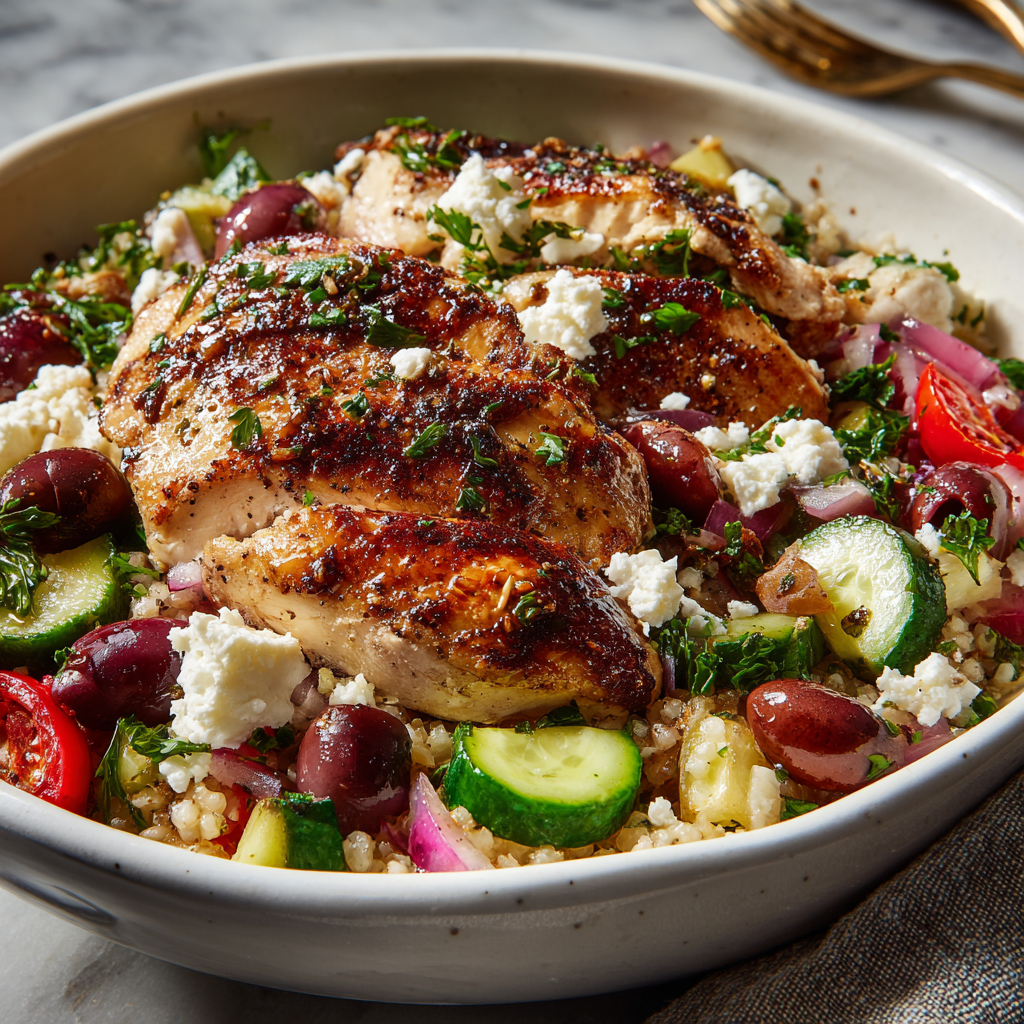
Spread the vegetables across a second large baking sheet in a single layer, making sure nothing overlaps too much. Roast at 400 degrees Fahrenheit alongside the chicken for 20 to 25 minutes, stirring halfway through to promote even browning. The vegetables should be tender with caramelized edges when finished—this brings out their natural sweetness and creates layers of flavor. First, if the potatoes still seem firm after 20 minutes, remove the other vegetables to a plate and return just the potatoes to finish cooking. Next, this prevents the more delicate vegetables from becoming mushy or overcooked while the denser potatoes catch up.
Making the Greek Yogurt Tahini Dressing
To prepare the dressing, combine the plain Greek yogurt and tahini in a medium bowl, whisking them together until mostly smooth. Add the fresh lemon juice and minced garlic, stirring well to incorporate these bright, punchy flavors. Next, pour in two tablespoons of water while whisking constantly—add more water one tablespoon at a time until you reach your desired consistency. The dressing should be pourable but still coat a spoon, not watery or too thin.
Season with sea salt, black pepper, and optional red pepper flakes if you enjoy a subtle heat. Taste and adjust the lemon juice or garlic to your preference—the dressing should feel zesty and aromatic. Additionally, remember that the dressing will thicken slightly as it sits in the refrigerator, so start with a slightly looser consistency than you think you want. This homemade dressing offers incredible flavor compared to store-bought versions while fitting perfectly into various dietary approaches.
Building Your Winter Greek Bowl
First, divide your cooked farro or brown rice evenly among four bowls, creating a foundation for all the other components. Next, arrange portions of the herb-roasted chicken slices on top of the grain base. Afterward, add the roasted vegetables to each bowl, distributing them evenly across the grains and chicken.
Add a generous handful of fresh diced cucumber and halved cherry tomatoes to bring brightness and freshness to the warm elements. Sprinkle the crumbled feta cheese over the top, distributing it so each spoonful includes some of this tangy, salty element. Scatter the Kalamata olives across the surface, then garnish with fresh parsley and dill for visual appeal and herbaceous flavor.
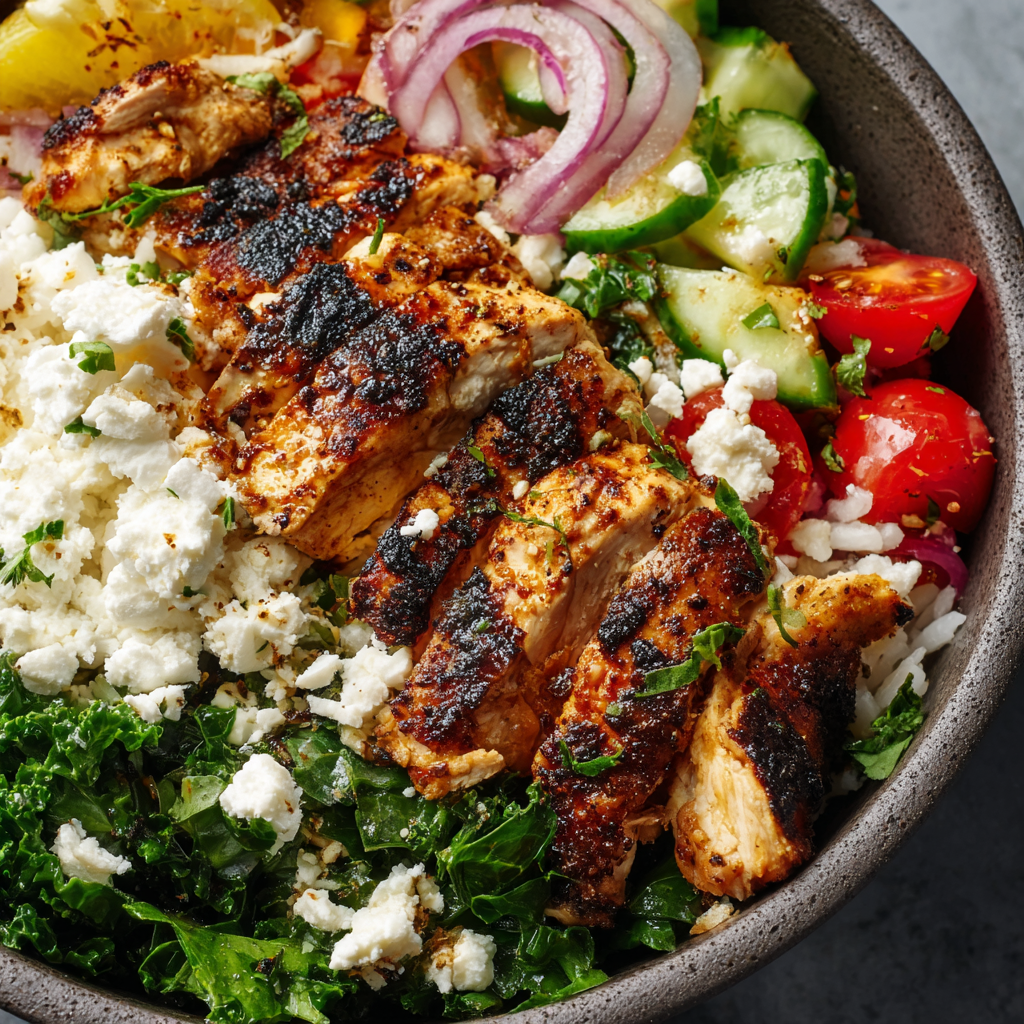
Drizzle the Greek yogurt tahini dressing generously over each bowl, allowing it to settle into the crevices and coat everything lightly. Serve immediately with a lemon wedge on the side for those who prefer additional citrus brightness. The contrast between warm roasted components and cool, fresh toppings creates a satisfying eating experience that feels special despite its simplicity.
Serving and Storing Tips
Serving Tips
These bowls shine brightest when served warm, with the roasted vegetables still carrying heat while the fresh toppings provide cool contrast. Arrange them on beautiful plates or in substantial bowls to make the meal feel restaurant-quality and worthy of your effort. Additionally, consider serving extra lemon wedges and additional dressing on the side, allowing guests to customize their bowls to their taste preferences. They pair beautifully with crusty whole grain bread for scooping up extra dressing, or enjoy them on their own as a complete, balanced meal. Furthermore, a crisp white wine like Pinot Grigio or a sparkling water with fresh lemon complements these bowls perfectly. For a more casual presentation, serve the components in separate dishes family-style, allowing everyone to assemble their own bowl.
Storage Tips
First, store the roasted chicken, roasted vegetables, and cooked grains in separate airtight containers in the refrigerator for up to four days. Afterward, keep the fresh cucumber, cherry tomatoes, and herbs in their own containers rather than mixing them with the warm components—this prevents them from becoming soggy or wilted. Store the feta cheese and olives separately as well, adding them just before serving for maximum freshness. Additionally, keep the Greek yogurt tahini dressing in a sealed container for up to five days, though it may thicken slightly as it sits. When you’re ready to enjoy a bowl from your prep work, simply reheat the grains and vegetables together in the microwave for one to two minutes, then top with fresh components and dressing. Unlike assembled bowls, which become soggy after a few hours, these components stay fresh and separate, making them perfect for meal prep that remains delicious throughout the week.
Helpful Notes and Ingredient Substitutions
The flexibility of this recipe allows you to adapt it based on seasonal availability and personal preferences without sacrificing its essential character. For grain options, substitute the farro or brown rice with quinoa, freekeh, couscous, or even cauliflower rice if you prefer a lower-carb approach. Additionally, any roastable winter vegetables work beautifully—try Brussels sprouts, cauliflower, carrots, parsnips, or beets for different flavor profiles and textures. If you don’t have tahini on hand, replace it with Greek yogurt thinned with water and extra lemon juice for a lighter dressing option.
For the fresh components, feel free to swap in spinach or mixed greens instead of serving on rice, creating a Mediterranean salad base instead of a traditional bowl. Next, if you’re avoiding dairy, omit the feta cheese entirely or replace it with nutritional yeast for a savory, cheesy flavor without the animal products. Furthermore, the chicken can be replaced with roasted chickpeas, firm tofu, or salmon for different protein options that work equally well within this flavor profile.
To save time during busy weeks, cook your grains and roast your chicken and vegetables during Sunday meal prep, storing them separately until assembly day. Moreover, the dressing can be made up to a week in advance, allowing you to assemble fresh bowls in minutes whenever hunger strikes. Avoid common mistakes by not over-packing your roasting pans—vegetables need space for steam to escape and for proper caramelization to occur. Additionally, don’t skip the resting period for the chicken, as this single step dramatically improves the final texture and juiciness of your protein.
Chef Tips
First, create caramelized edges on your roasted vegetables by increasing the oven temperature to 425 degrees Fahrenheit for the final five minutes of cooking—watch carefully to ensure nothing burns. Next, make your dressing more exciting by adding a small pinch of sumac or a touch of honey for complexity that elevates the entire bowl experience.
Frequently Asked Questions
Can I prepare these bowls the night before? Yes, assemble them completely except for the fresh cucumber, tomatoes, and herbs, which should be added just before eating to maintain their crisp texture and bright flavor.
What if I don’t have a meat thermometer to check the chicken? Cut into the thickest part of the largest breast—the chicken is done when the juices run clear and no pink remains in the center of the meat.
Can I use rotisserie chicken instead of roasting it myself? Absolutely—rotisserie chicken saves time and works beautifully, though you’ll miss out on the custom herb flavoring that makes this version special.
Is this recipe freezer-friendly? The cooked chicken, roasted vegetables, and grains freeze well separately for up to three months, though the fresh components like cucumber and feta are best used fresh.
How can I make this recipe dairy-free? Omit the feta cheese and use a chickpea-based yogurt or coconut yogurt in the dressing instead of Greek yogurt for a completely plant-based version.
Why Winter Greek Chicken Bowls Belong in Your Regular Rotation
These bowls represent the perfect intersection of nutrition, flavor, and practicality that makes home cooking worthwhile. First, they deliver substantial protein, healthy fats, and abundant vegetables in a single, satisfying package that keeps you full for hours. Next, they prove that winter meals don’t require heavy cream sauces or complicated techniques—instead, simple roasting and fresh assembly create something genuinely delicious. Additionally, their meal-prep-friendly nature means you can invest thirty minutes on Sunday and enjoy restaurant-quality meals throughout the week without additional cooking effort.
The versatility of this recipe means you’ll return to it again and again, each time adapting it slightly based on what’s in your kitchen and what your body is craving. First-time cooks find these bowls encouraging because every component is straightforward—simply roast, chop, assemble—with no intimidating techniques. Next, experienced home cooks appreciate the flavor complexity and opportunity for personalization that keeps the recipe interesting after multiple preparations. Furthermore, these bowls work beautifully for meal prep, quick weeknight dinners, or even impressing guests at casual gatherings.
The Mediterranean flavors transport you mentally to warmer climates even during the coldest months, which provides both nutritional and emotional nourishment. From the bright pop of lemon in the dressing to the herbaceous notes of oregano and thyme, every element contributes to an eating experience that feels intentional and luxurious. Most importantly, these bowls demonstrate that choosing healthy, wholesome ingredients doesn’t mean sacrificing satisfaction or flavor—you get both in every single spoonful.
Did you enjoy this recipe? If you loved these Winter Greek Chicken Bowls, we’d absolutely adore it if you’d save this recipe for later, pin it to your favorite Pinterest board, or share it with friends and family who appreciate nutritious, delicious meals. Your support means everything to us and helps inspire more easy, flavorful recipes like this one. Thank you for cooking with us today!