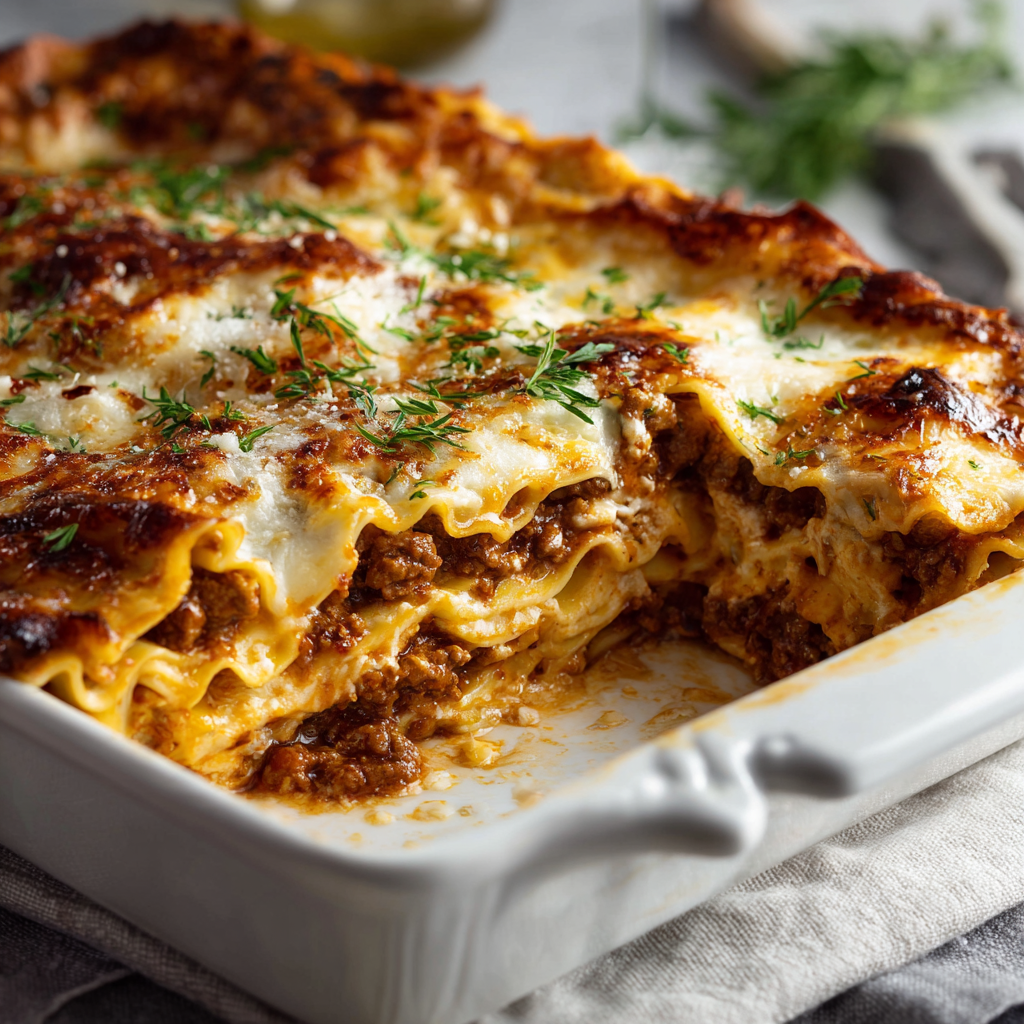
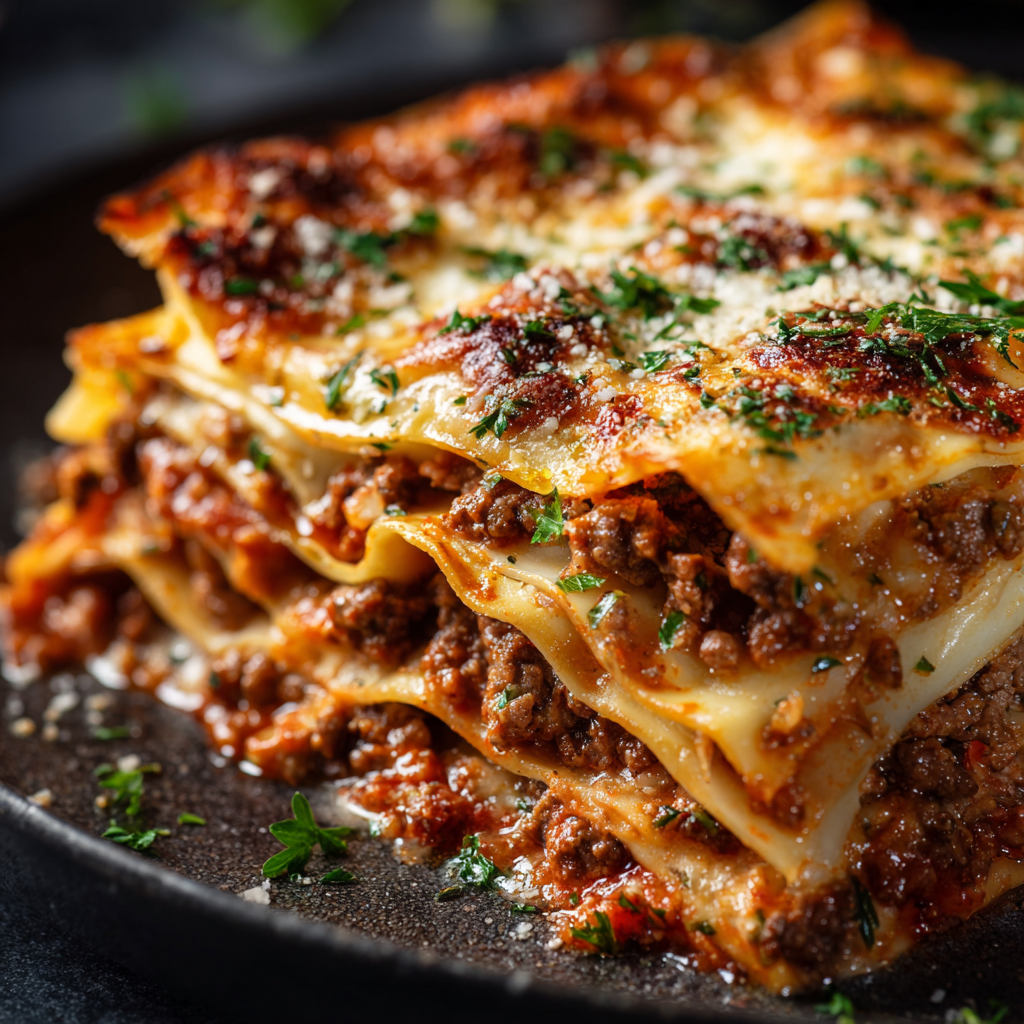
When winter evenings demand something hearty and soul-satisfying, nothing delivers comfort quite like a bubbling pan of lasagna layered with rich beef sauce, creamy cheese, and tender pasta. This classic Italian-American dish combines everything you crave on cold nights—savory flavors, satisfying textures, and that wonderful feeling of abundance that comes from a generous, homemade meal. What makes this recipe truly exceptional is how it balances traditional richness with approachable techniques that transform lasagna-making from intimidating project into achievable weeknight possibility. The combination of perfectly seasoned beef, aromatic tomato sauce, creamy ricotta, and melted mozzarella creates layers of flavor that make every forkful absolutely irresistible. Whether you’re feeding your family on a snowy Sunday or preparing make-ahead meals for busy weeks, this lasagna delivers restaurant-quality results that everyone enthusiastically devours. Best of all, it freezes beautifully, feeds a crowd affordably, and actually tastes even better the next day as the flavors meld together into pure comfort food perfection.
Ingredients
This recipe makes 12 servings.
For the Meat Sauce:
- 2 tablespoons olive oil
- 1 large yellow onion, finely diced
- 1 medium carrot, finely diced
- 2 celery stalks, finely diced
- 6 cloves garlic, minced
- 1.5 pounds ground beef (80/20 blend)
- 1/2 pound Italian sausage, casings removed
- 1 can (28 ounces) crushed tomatoes
- 1 can (15 ounces) tomato sauce
- 1 can (6 ounces) tomato paste
- 1 cup red wine (or beef broth)
- 2 teaspoons dried basil
- 2 teaspoons dried oregano
- 1 teaspoon dried thyme
- 1 bay leaf
- 1 teaspoon salt
- 1/2 teaspoon black pepper
- 1/4 teaspoon red pepper flakes (optional)
- 2 tablespoons fresh parsley, chopped
For the Cheese Layer:
- 32 ounces whole milk ricotta cheese
- 2 large eggs
- 1/2 cup grated Parmesan cheese
- 1/4 cup fresh parsley, chopped
- 1/2 teaspoon salt
- 1/4 teaspoon black pepper
- 1/4 teaspoon nutmeg
For Assembly:
- 1 pound lasagna noodles (regular or no-boil)
- 4 cups shredded mozzarella cheese
- 1/2 cup grated Parmesan cheese
- Fresh basil leaves for garnish
Instructions
- Heat the olive oil in a large Dutch oven or heavy-bottomed pot over medium heat.
- Add the diced onion, carrot, and celery, sautéing for 8 to 10 minutes until softened.
- Stir in the minced garlic and cook for 1 minute until fragrant.
- Increase heat to medium-high and add the ground beef and Italian sausage.
- Break the meat into small pieces with a wooden spoon as it cooks.
- Cook for 10 to 12 minutes until the meat is browned and no pink remains.
- Drain excess fat if there’s more than a tablespoon or two in the pot.
- Pour in the red wine and scrape up any browned bits from the bottom of the pot.
- Let the wine simmer for 3 to 4 minutes until it reduces by half.
- Add the crushed tomatoes, tomato sauce, and tomato paste, stirring to combine.
- Stir in the basil, oregano, thyme, bay leaf, salt, pepper, and red pepper flakes if using.
- Bring to a boil, then reduce heat to low and simmer uncovered for 30 to 40 minutes.
- Stir occasionally to prevent sticking and let the sauce thicken and flavors develop.
- Remove from heat, discard the bay leaf, and stir in the fresh parsley.
- Meanwhile, prepare the ricotta mixture by combining ricotta, eggs, Parmesan, parsley, salt, pepper, and nutmeg in a bowl.
- Mix thoroughly until well blended and smooth.
- If using regular lasagna noodles, cook according to package directions, then drain and lay flat.
- Preheat your oven to 375°F and position the rack in the center.
- Spread 1 cup of meat sauce across the bottom of a 9×13-inch baking dish.
- Layer 3 to 4 lasagna noodles over the sauce, overlapping slightly if needed.
- Spread one-third of the ricotta mixture over the noodles evenly.
- Top with 1.5 cups of meat sauce, spreading to cover completely.
- Sprinkle with 1 cup of shredded mozzarella cheese.
- Repeat the layering process two more times: noodles, ricotta, sauce, mozzarella.
- Top with a final layer of noodles, remaining sauce, and the last cup of mozzarella.
- Sprinkle the grated Parmesan over the top for extra flavor and browning.
- Cover the baking dish tightly with aluminum foil, tenting it slightly to prevent cheese from sticking.
- Bake covered for 40 minutes until the lasagna is heated through and bubbling.
- Remove the foil and bake for an additional 15 to 20 minutes until the cheese is golden and bubbly.
- Remove from the oven and let rest for 15 to 20 minutes before slicing.
- Garnish with fresh basil leaves and serve hot with extra sauce on the side if desired.
Building a Rich, Flavorful Meat Sauce
Creating exceptional lasagna starts with building a deeply flavored meat sauce that forms the foundation of every layer. The aromatic base of sautéed onion, carrot, and celery—known as soffritto in Italian cooking—provides savory depth and subtle sweetness that enriches the entire sauce. Taking time to properly cook these vegetables until softened and fragrant releases their natural sugars and creates complexity that simple simmering cannot achieve. This patient foundation-building transforms ordinary meat sauce into something genuinely special.
The combination of ground beef and Italian sausage creates more interesting, complex flavor than beef alone could provide. Ground beef offers familiar, meaty taste and tender texture, while Italian sausage contributes fennel, garlic, and other spices that add layers of flavor without requiring you to measure individual seasonings. The 80/20 ground beef provides enough fat for flavor and moisture without creating excessive grease that would make your lasagna oily. Together, these proteins create satisfying richness that defines great meat lasagna.
Deglazing the pot with red wine after browning the meat captures all those flavorful browned bits stuck to the bottom and incorporates them back into your sauce. This technique, called deglazing, adds concentrated meaty flavor and depth that would otherwise be wasted. The wine also contributes acidity that balances the sweetness of tomatoes and richness of meat, creating better overall flavor harmony. If you prefer not to cook with alcohol, beef broth provides similar deglazing benefits with slightly different but still delicious results.
Creating the Perfect Cheese Filling
The ricotta mixture serves as the creamy, luxurious layer that balances the rich meat sauce and provides textural contrast. Whole milk ricotta delivers superior creaminess and flavor compared to part-skim versions, though either works if you’re watching fat intake. The eggs bind the ricotta and help it set during baking, preventing the cheese layer from being too loose or runny. Additionally, eggs contribute richness and protein that make the lasagna more substantial and satisfying.
Parmesan cheese mixed into the ricotta adds savory, nutty depth that prevents the filling from tasting bland or one-dimensional. This aged cheese contributes umami richness and saltiness that enhances all the other flavors in the dish. Fresh parsley adds color, freshness, and subtle herbaceous notes that lighten the overall impression and prevent the cheese layer from feeling too heavy. Meanwhile, the pinch of nutmeg—a traditional addition in Italian cooking—adds warmth and complexity that most people can’t identify but definitely notice.
Properly seasoning the ricotta mixture ensures the cheese layer contributes flavor rather than just serving as bland filler between sauce layers. The ricotta should taste slightly over-seasoned on its own since it will be balanced by unseasoned pasta and diluted by the other components. This attention to seasoning every layer separately creates lasagna where each element contributes its best flavor, resulting in harmonious, well-balanced final results that taste professional rather than homemade-in-a-bad-way.
Mastering Lasagna Assembly
The layering order and technique significantly impact your lasagna’s final texture and appearance. Starting with sauce on the bottom prevents noodles from sticking to the pan and provides moisture that helps them cook properly if using no-boil noodles. Each layer should be spread evenly and completely to the edges, which ensures every portion contains all the components rather than some pieces being all cheese while others are mostly noodles.
The typical assembly pattern—sauce, noodles, ricotta, sauce, mozzarella—creates distinct layers with good distribution of all elements. Repeating this pattern two or three times depending on your pan depth creates the classic lasagna structure everyone recognizes and loves. The final layer should always be sauce topped with cheese to prevent exposed noodles from drying out and becoming hard during baking. This cheese-topped finish also creates that gorgeous golden, bubbling surface that makes lasagna so visually appealing.
No-boil lasagna noodles offer tremendous convenience without sacrificing quality if used correctly. These noodles require adequate moisture from the sauce to hydrate and soften during baking, so ensure your meat sauce isn’t too thick and that you’re generous with sauce layers. Additionally, covering the lasagna during the initial baking period traps steam that helps soften the noodles. If using regular boiled noodles, slightly undercook them since they’ll continue cooking in the oven—overly soft noodles can become mushy and fall apart.
Achieving Perfect Baking Results
Baking lasagna covered initially allows it to heat through completely without the cheese burning or drying out. The foil traps moisture and creates steam that helps meld all the layers together while ensuring the center reaches proper temperature. Tenting the foil slightly—creating a dome rather than pressing it flat against the cheese—prevents the top layer from sticking and pulling away when you remove the foil. This simple technique preserves that beautiful cheese surface you worked to create.
Removing the foil during the final 15 to 20 minutes allows the top to brown beautifully and develop those irresistible golden, slightly crispy edges that everyone fights over. This uncovered baking also allows excess moisture to evaporate, preventing watery lasagna that puddles on plates. Watch carefully during this phase—you want deep golden color and bubbling cheese, but not burnt spots or dried-out edges that become hard and unpleasant.
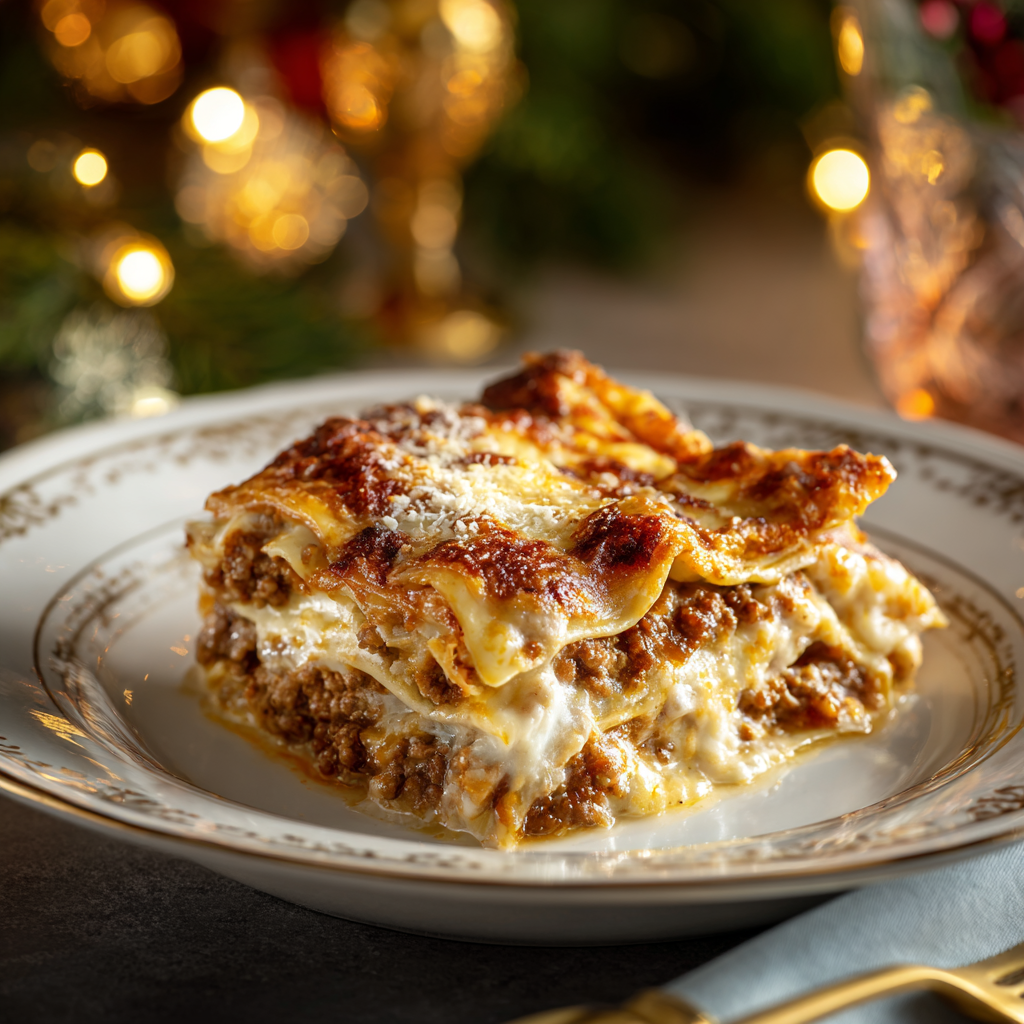
The resting period after removing lasagna from the oven is absolutely crucial for neat slicing and serving. Hot lasagna is essentially molten—the cheese is liquid, the sauce is thin, and cutting into it immediately creates a sloppy mess that collapses on plates. Allowing 15 to 20 minutes for resting lets the layers set and the cheese firm up slightly, making clean slices possible. This patience transforms your lasagna from sloppy casserole into elegant portions that showcase those beautiful layers you worked to create.
Serving and Storing Tips
Serving Tips
Serve this beef lasagna hot with simple accompaniments that complement without competing with the rich main dish. A crisp green salad with tangy vinaigrette cuts through the richness and provides refreshing contrast, while garlic bread offers classic pairing that’s perfect for soaking up any extra sauce. Roasted or steamed vegetables like broccoli, green beans, or zucchini add color and nutrition that balance the indulgent lasagna beautifully.
For elegant presentation, use a sharp knife dipped in hot water and wiped clean between cuts to create neat portions. A sturdy spatula helps lift servings cleanly from the pan without falling apart. Garnishing each plate with fresh basil leaves and a sprinkle of Parmesan adds restaurant polish that makes weeknight dinner feel special. Additionally, offering extra warmed meat sauce on the side allows guests to add more if desired and helps moisten any portions that seem dry.
Lasagna works wonderfully for entertaining because it feeds many people affordably and can be prepared entirely in advance. Assemble the lasagna up to 24 hours ahead, refrigerate it covered, then bake when guests arrive. The house will smell incredible as it cooks, creating welcoming ambiance that makes people hungry and eager to eat. This make-ahead capability removes stress from hosting and lets you actually enjoy your guests rather than being stuck in the kitchen.
Storage Tips
Store leftover lasagna covered tightly with foil or plastic wrap in the refrigerator for up to 4 days. The flavors actually improve overnight as everything melds together, making leftovers arguably better than the original meal. Cut the lasagna into individual portions before storing to make reheating easier and faster. Single servings can be reheated in the microwave for 2 to 3 minutes or in a 350°F oven for 15 to 20 minutes until heated through.
Freezing lasagna works exceptionally well for longer storage up to 3 months and provides incredible convenience. You can freeze the entire assembled but unbaked lasagna, or bake it first and freeze individual portions for quick single meals. To freeze unbaked lasagna, assemble it in a disposable aluminum pan, wrap tightly in plastic wrap and then foil, and freeze. Bake from frozen at 375°F for 90 minutes covered, then 20 minutes uncovered, or thaw overnight and bake as directed.
For ultimate meal prep convenience, freeze individual portions in single-serving containers. This approach provides homemade comfort food whenever you need it—simply reheat one portion for quick lunches or dinners when you don’t want to cook. Label all frozen items with the date and reheating instructions so future you doesn’t have to remember details. Properly wrapped lasagna maintains excellent quality for months and tastes remarkably close to fresh when properly reheated.
Helpful Notes
Making lasagna more manageable involves smart shortcuts that save time without sacrificing quality. Using quality jarred sauce instead of homemade reduces cooking time significantly—just brown the meat with aromatics and simmer briefly with your chosen sauce. Rotisserie chicken shredded and mixed into sauce creates chicken lasagna variation that’s faster than starting with raw meat. Pre-shredded cheese costs more but eliminates tedious shredding if time is tight. These shortcuts make weeknight lasagna actually feasible.
For those watching nutrition but still craving comfort, several modifications maintain great taste with improved health profile. Use ground turkey or chicken instead of beef, part-skim ricotta and mozzarella, and whole wheat lasagna noodles for added fiber. Adding extra vegetables like spinach, zucchini, or mushrooms to the meat sauce increases nutrition and volume without excessive calories. These adjustments create lighter lasagna that still satisfies comfort food cravings while supporting wellness goals.
Customizing flavors keeps lasagna interesting across multiple preparations. Mexican-inspired lasagna uses seasoned ground beef with black beans, salsa instead of tomato sauce, and Mexican cheese blend. White lasagna features creamy béchamel instead of tomato sauce with chicken, spinach, and mushrooms. Vegetarian versions load up on roasted vegetables with or without meat substitutes. This basic layering technique adapts to countless flavor profiles, making lasagna endlessly versatile.
Common mistakes that ruin lasagna include using sauce that’s too thin, skipping the resting period, or not covering during initial baking. Sauce should be thick enough to cling to a spoon rather than being watery, which would make the lasagna soupy. Always let it rest before cutting regardless of how impatient you feel. Cover during most of the baking to ensure even cooking and prevent burning. These simple precautions ensure success every time.
Chef Tips
Professional chefs know that slightly over-seasoning individual components creates better final results than trying to season the assembled lasagna. The meat sauce, ricotta mixture, and even the mozzarella layer should each taste properly seasoned on their own. When these well-seasoned elements combine with bland noodles, the overall dish achieves perfect balance. Under-seasoned components create bland lasagna no amount of table salt can fix since the seasoning doesn’t penetrate all the layers.
Another expert technique involves letting the meat sauce cool slightly before assembly, which makes spreading easier and prevents the ricotta from melting prematurely. Hot sauce makes the cheese runny and difficult to layer neatly. Room temperature or slightly warm components create neater layers with better definition between elements. This small detail makes assembly more pleasant and creates more attractive results when you slice into the finished lasagna.
Frequently Asked Questions
Can I make lasagna without ricotta? Yes, cottage cheese provides similar texture and tang, or use all mozzarella for simpler preparation; béchamel sauce creates authentic Italian-style lasagna without ricotta.
How do I prevent watery lasagna? Use thick meat sauce, drain excess liquid from ingredients, don’t overcook noodles, and always let it rest after baking before slicing.
Can I assemble lasagna the night before? Absolutely, cover tightly and refrigerate up to 24 hours; add 10 to 15 minutes to covered baking time since it starts cold.
What’s better: no-boil or regular noodles? No-boil noodles offer convenience with excellent results; regular noodles provide slightly better texture but require the extra step of boiling.
Why is my lasagna dry? Insufficient sauce, overbaking, or using too much cheese without enough moisture; ensure generous sauce layers and don’t overbake past bubbly and golden.
Creating Winter Comfort Traditions
Few dishes capture the essence of winter comfort and abundance quite like a pan of bubbling lasagna emerging from your oven. This classic recipe represents more than dinner—it’s the kind of meal that brings families together, creates lasting memories, and provides genuine warmth during the coldest months. When you serve generous portions of this layered masterpiece, you’re offering more than food; you’re creating an experience of coziness and care that makes everyone feel loved and thoroughly satisfied.
The practical advantages of lasagna extend beyond comfort to include remarkable affordability and efficiency. This dish feeds many people for relatively little money, uses ground meat economically, and stretches ingredients beautifully through layering. Furthermore, lasagna’s make-ahead and freezer-friendly nature means one afternoon of cooking provides multiple meals throughout busy weeks when convenience often leads to less healthy or more expensive choices.
As you make lasagna repeatedly through winter months, you’ll develop your own signature touches and family traditions. Perhaps you’ll experiment with different meat combinations, try various cheese ratios, or create both traditional and lighter versions depending on the occasion. These personal adaptations transform a classic recipe into your family’s tradition—something that becomes anticipated and requested, creating continuity and comfort across years and generations.
The simple act of taking time to prepare elaborate, comforting food for yourself and loved ones creates satisfaction that extends beyond eating. Standing at the stove stirring rich sauce, layering ingredients with care, and watching golden cheese bubble creates meditation on nourishment and love. These rituals of intentional cooking become acts of devotion to those we feed, making lasagna night something special that everyone looks forward to when cold weather demands comfort and connection.
Did this Winter Lasagna with Beef become your new go-to comfort food for cold evenings? If you loved how the layers came together perfectly, how it fed your family generously, and how the leftovers were even better the next day, we’d be thrilled if you could save this recipe for your winter rotation, pin it to your comfort food Pinterest board, or share it with friends who appreciate classic Italian cooking. Your support and enthusiasm inspire us to continue creating and sharing recipes that bring warmth, abundance, and deliciousness to your table. Tell us in the comments what you served alongside your lasagna and whether it’s become a family favorite—we love hearing about the comfort food traditions you’re creating!