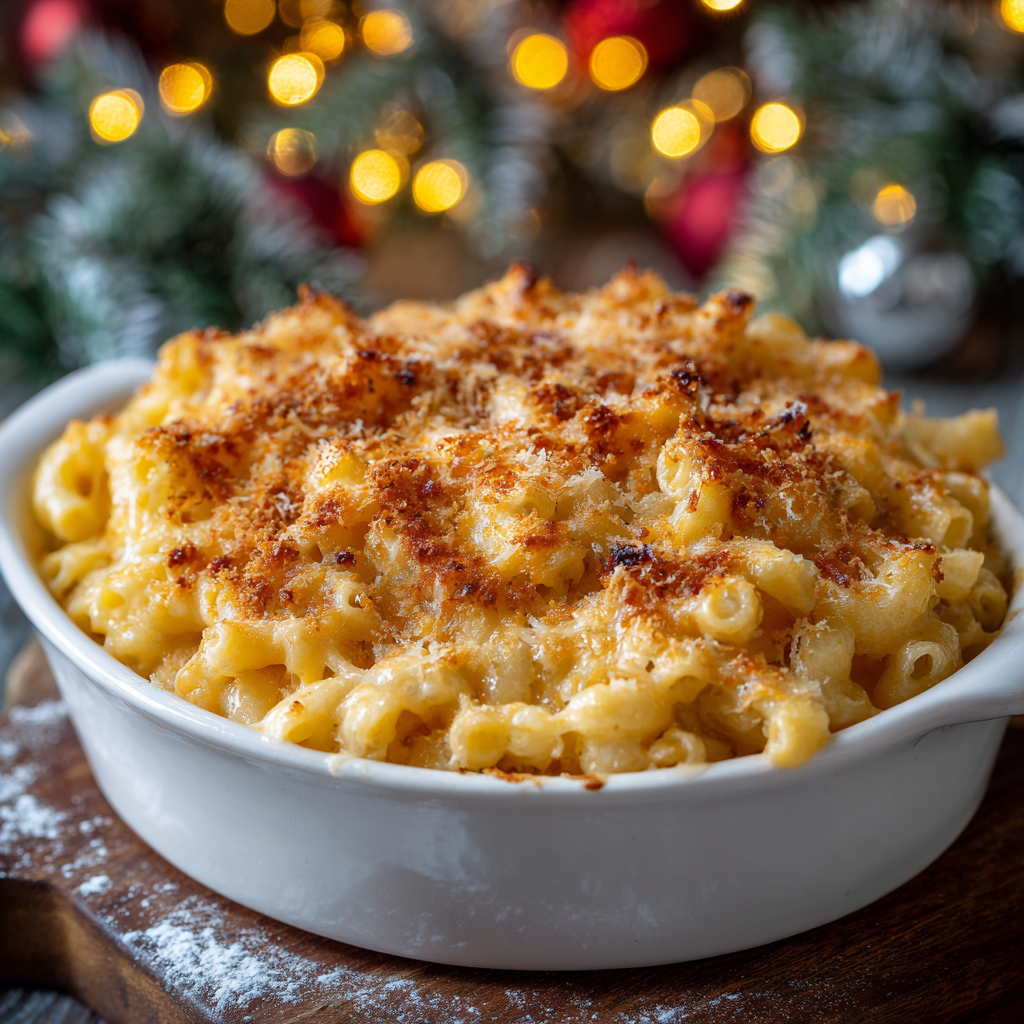
When winter cold settles in and you need food that hugs you from the inside, nothing delivers pure comfort quite like a bubbling pot of creamy, cheesy mac and cheese that makes everything feel better. This ultimate comfort food combines tender pasta with rich, velvety cheese sauce that’s so indulgent and satisfying it feels like a warm blanket for your soul. What makes this recipe truly exceptional is how it achieves that perfect balance between creamy and cheesy, creating luxurious texture that coats every piece of pasta without being too thick or too thin. The combination of multiple cheese varieties, proper sauce technique, and optional crispy topping creates layers of flavor and texture that elevate this childhood favorite into something adults crave just as intensely. Whether you’re feeding your family on a snowy evening, bringing a crowd-pleasing side to a potluck, or simply indulging in the ultimate comfort food, this mac and cheese delivers soul-warming satisfaction that never disappoints. Best of all, it comes together in about thirty minutes, feeds a crowd affordably, and transforms humble ingredients into something genuinely special that everyone enthusiastically devours.
Ingredients
This recipe makes 8 servings.
For the Mac and Cheese:
- 1 pound elbow macaroni (or pasta of choice)
- 4 tablespoons unsalted butter
- 1/4 cup all-purpose flour
- 3 cups whole milk, warmed
- 1 cup heavy cream, warmed
- 3 cups sharp cheddar cheese, shredded
- 1 cup Gruyère cheese, shredded
- 1 cup fontina cheese, shredded
- 1/2 cup Parmesan cheese, grated
- 1 teaspoon Dijon mustard
- 1 teaspoon garlic powder
- 1/2 teaspoon onion powder
- 1/4 teaspoon smoked paprika
- 1/4 teaspoon cayenne pepper (optional)
- 1 teaspoon salt
- 1/2 teaspoon black pepper
- 1/4 teaspoon nutmeg
For the Breadcrumb Topping (Optional):
- 1.5 cups panko breadcrumbs
- 3 tablespoons unsalted butter, melted
- 1/2 cup Parmesan cheese, grated
- 1 teaspoon dried parsley
- 1/4 teaspoon garlic powder
- Pinch of salt
Instructions
- Preheat your oven to 375°F if making baked mac and cheese with topping.
- Bring a large pot of salted water to a boil over high heat.
- Add the pasta and cook according to package directions until just al dente.
- Drain the pasta and set aside, but do not rinse it.
- Meanwhile, melt the butter in a large saucepan or Dutch oven over medium heat.
- Once the butter is melted and foaming, sprinkle in the flour while whisking constantly.
- Cook the flour and butter together for 2 to 3 minutes, whisking constantly, to create a roux.
- Gradually pour in the warm milk while whisking vigorously to prevent lumps.
- Continue whisking as you add the heavy cream, ensuring the mixture stays smooth.
- Bring the mixture to a gentle simmer, stirring frequently with a wooden spoon.
- Reduce heat to medium-low and cook for 3 to 4 minutes until the sauce thickens slightly.
- Stir in the Dijon mustard, garlic powder, onion powder, smoked paprika, cayenne if using, salt, pepper, and nutmeg.
- Remove the pan from heat and add the shredded cheddar cheese one handful at a time.
- Stir each addition until completely melted before adding more cheese.
- Add the Gruyère cheese in the same gradual manner, stirring until smooth.
- Stir in the fontina cheese, mixing until it melts completely into the sauce.
- Add the Parmesan cheese and stir until the sauce is silky, smooth, and glossy.
- Taste the cheese sauce and adjust seasonings, adding more salt or pepper if needed.
- Add the cooked pasta to the cheese sauce and fold gently until every piece is coated.
- For stovetop mac and cheese, serve immediately while hot and creamy.
- For baked mac and cheese, transfer the mixture to a greased 9×13-inch baking dish.
- Combine the panko breadcrumbs, melted butter, Parmesan, parsley, garlic powder, and salt in a bowl.
- Sprinkle the breadcrumb mixture evenly over the mac and cheese.
- Bake uncovered for 20 to 25 minutes until the topping is golden brown and the edges bubble.
- Remove from the oven and let rest for 5 minutes before serving.
- Serve hot, garnished with extra Parmesan or fresh herbs if desired.
Creating the Perfect Cheese Sauce
Mastering the cheese sauce separates extraordinary mac and cheese from mediocre versions that taste grainy, separated, or bland. The foundation starts with a proper roux—the mixture of butter and flour cooked together that thickens the sauce and prevents it from breaking. Cooking the roux for a full 2 to 3 minutes eliminates the raw flour taste that would otherwise make your sauce taste pasty or starchy. This brief cooking also toasts the flour slightly, contributing subtle nutty flavor that adds complexity to the finished sauce.
Adding warm milk and cream rather than cold liquid helps create silkier, smoother sauce with less risk of lumps. Cold liquid can cause the roux to seize up and form clumps that are difficult to eliminate even with vigorous whisking. Warming the dairy also speeds the thickening process and ensures the sauce comes together quickly and smoothly. Furthermore, the combination of whole milk and heavy cream provides ideal richness—milk alone would be too thin, while all cream would be excessively heavy and rich.
Gradually adding cheese and stirring each addition until completely melted prevents the proteins from clumping together and creating grainy texture. Adding all the cheese at once or failing to stir adequately creates separated sauce where the fat pools on top and the proteins form rubbery clumps. Removing the pan from heat before adding cheese provides additional insurance against overheating, which is the primary cause of broken, grainy cheese sauce. These careful techniques ensure your sauce stays smooth, creamy, and absolutely luxurious.
Choosing the Right Cheese Combination
Using multiple cheese varieties creates more complex, interesting flavor than cheddar alone could provide. Sharp cheddar delivers that classic mac and cheese taste with tangy, bold flavor that defines the dish. Gruyère contributes nutty, slightly sweet notes and superior melting properties that create incredibly smooth texture. Meanwhile, fontina adds mild creaminess and buttery richness that rounds out sharper flavors. Together, these cheeses create depth and complexity that makes this mac and cheese taste restaurant-quality.
Parmesan cheese serves multiple purposes beyond just adding flavor. This aged cheese contributes savory umami depth and saltiness that enhances all the other cheeses. Additionally, Parmesan contains less moisture than softer cheeses, which helps create proper sauce consistency without making it too thin. The slight graininess of Parmesan also adds textural interest that makes the sauce more satisfying in the mouth. These characteristics make Parmesan an essential component despite not being the star cheese.
For those on a budget or with limited cheese selection, several combinations still deliver excellent results. Sharp cheddar combined with Monterey Jack or mozzarella creates good melting and flavor at lower cost. Adding a bit of cream cheese contributes luxurious creaminess that mimics the effect of expensive cheeses. However, avoid using only pre-shredded cheese, which contains anti-caking agents that prevent smooth melting. If convenience is necessary, at least shred fresh cheese for half the total amount to ensure good texture.
Enhancing Flavor with Strategic Seasonings
The seasonings in this mac and cheese might seem subtle, but they work together to create depth and prevent the dish from tasting one-dimensional. Dijon mustard adds tangy complexity and slight sharpness that enhances cheese flavor without making the sauce taste mustardy. This classic addition brightens the richness and makes the cheese taste more intense and vibrant. Even people who dislike mustard won’t detect it specifically—they’ll just notice the sauce tastes exceptionally good.
Garlic and onion powder contribute savory depth without the texture or strong flavor of fresh aromatics, which would compete with the creamy cheese sauce. These dried seasonings distribute evenly throughout the sauce and provide subtle background flavor that makes the dish more interesting. Smoked paprika adds warmth and subtle smokiness that creates complexity, while the optional cayenne provides gentle heat that enhances rather than overwhelms. These spices transform simple cheese sauce into something remarkably sophisticated.
The pinch of nutmeg represents a classic French technique for enhancing creamy, cheesy dishes. This warming spice adds subtle complexity that most people can’t identify but definitely notice—it makes the sauce taste richer and more interesting without being detectably “spiced.” Just a tiny amount creates significant impact, though too much would be overpowering and unpleasant. This professional touch elevates homemade mac and cheese from good to genuinely exceptional with minimal effort.
Deciding Between Stovetop and Baked Versions
Stovetop mac and cheese delivers ultra-creamy, silky texture that showcases the luxurious cheese sauce. Serving it immediately after combining pasta and sauce provides maximum creaminess and cheese pull that creates Instagram-worthy presentations. This version requires no baking time, making it faster and perfect for weeknight dinners when you want comfort food quickly. Additionally, stovetop mac and cheese reheats beautifully with a splash of milk, making leftovers nearly as good as the original.
Baked mac and cheese with breadcrumb topping creates textural contrast between creamy interior and crispy, golden crust that many people prefer. The baking process also melds flavors together and creates slightly firmer texture that slices into neat portions rather than being scoopable. Furthermore, the crispy topping adds buttery, crunchy elements that make each bite more interesting and satisfying. Baked versions also hold better for potlucks or buffets where the dish needs to sit out longer.
For ultimate indulgence, consider the hybrid approach—make stovetop mac and cheese, then transfer half to a baking dish with topping for those who prefer baked, while serving the rest immediately as stovetop version. This technique satisfies everyone’s preferences and demonstrates both preparations’ unique qualities. Alternatively, make stovetop mac and cheese but finish individual portions under the broiler with breadcrumb topping for personalized servings that combine both styles’ best qualities.
Serving and Storing Tips
Serving Tips
Serve this mac and cheese hot as a main course for casual dinners or as a side dish alongside roasted meats and vegetables. As a main dish, generous portions provide satisfying comfort food that needs little accompaniment beyond perhaps a simple green salad or steamed broccoli for color and nutrition. As a side dish, smaller portions complement grilled chicken, roasted pork, barbecued ribs, or holiday turkey beautifully without competing with the main attraction.
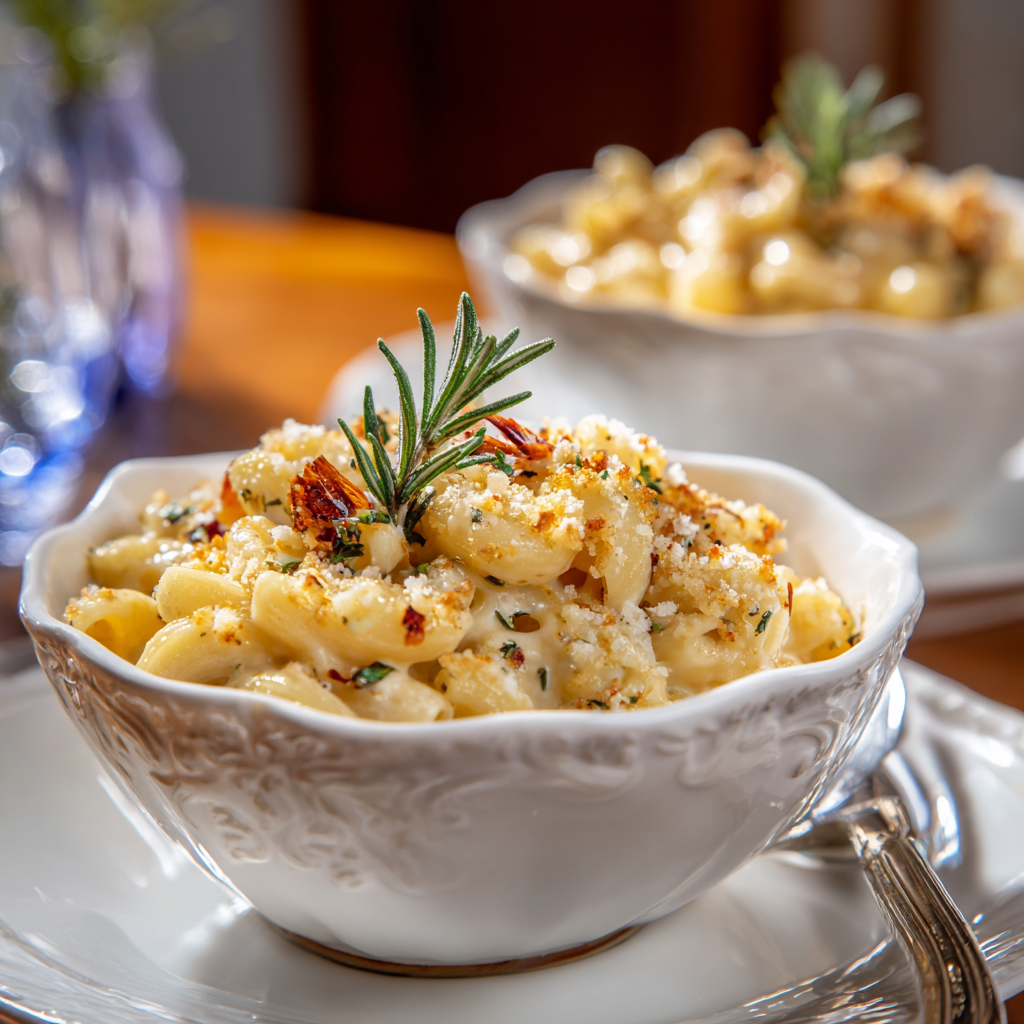
For elegant presentation, serve individual portions in ramekins or small cast iron skillets topped with breadcrumbs and broiled until golden. These personal servings look impressive for dinner parties while ensuring everyone gets equal amounts of crispy topping. Additionally, garnishing with fresh chives, parsley, or crispy bacon bits adds color and flavor that makes the dish feel more special. A light dusting of smoked paprika creates visual interest and hints at the flavors within.
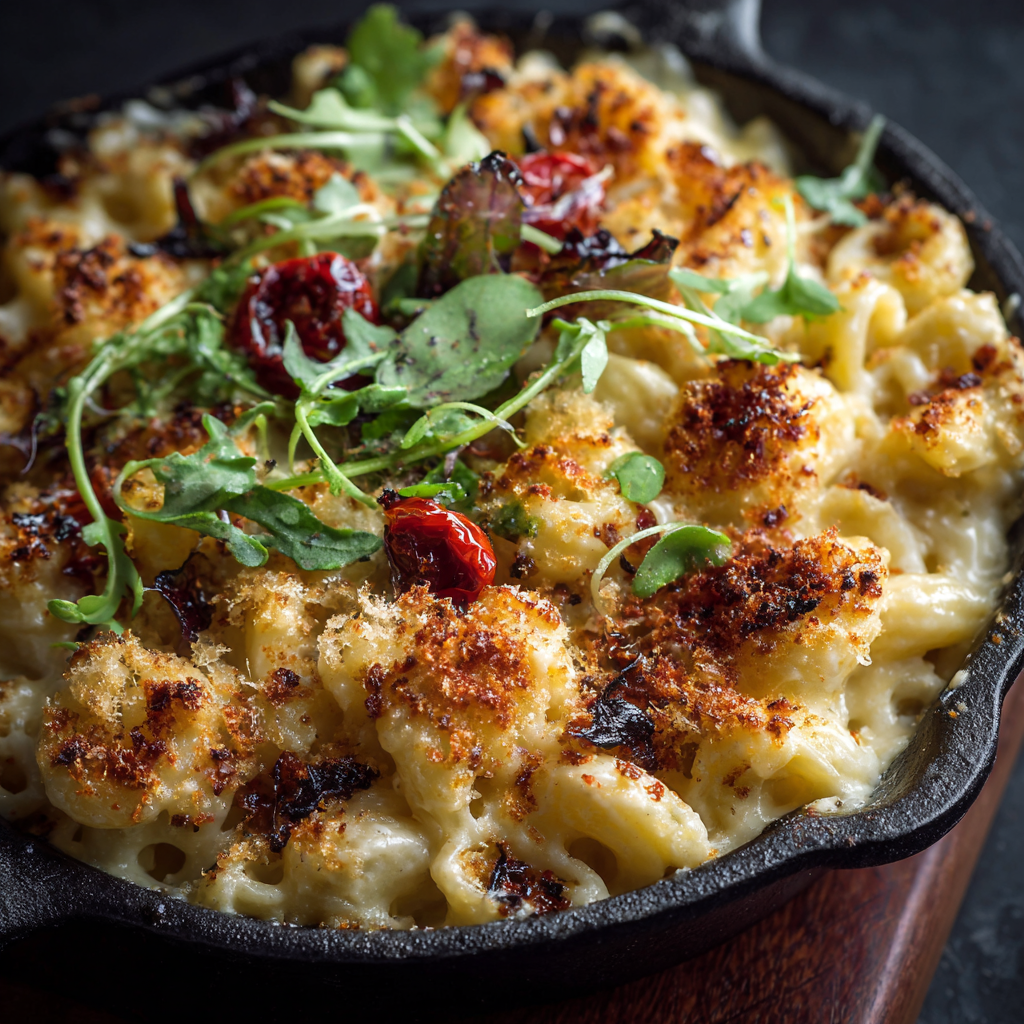
Mac and cheese works wonderfully as part of larger spreads for gatherings, potlucks, or holidays. Its universal appeal means everyone from kids to grandparents enthusiastically enjoys it, making it one of the safest dishes for feeding diverse crowds. Furthermore, it holds well in slow cookers set on warm for extended serving periods, though adding splashes of milk periodically maintains proper consistency. This versatility makes mac and cheese invaluable for stress-free entertaining.
Storage Tips
Store leftover mac and cheese in airtight containers in the refrigerator for up to 4 days. The sauce will thicken considerably as it cools and the pasta continues absorbing moisture, which is completely normal. When reheating, add a splash of milk or cream and stir gently over medium-low heat until warmed through and creamy again. Alternatively, microwave individual portions with added liquid in 1-minute intervals, stirring between each burst.
The breadcrumb topping will soften during storage, losing its signature crunch. For best results when reheating baked mac and cheese, remove the softened topping, reheat the mac and cheese with added liquid, then top with fresh breadcrumbs and broil briefly. This extra step restores that desirable textural contrast and makes leftovers taste nearly as good as freshly baked. Alternatively, embrace the softer topping if you prefer fully integrated texture throughout.
Freezing mac and cheese works reasonably well for up to 2 months, though the texture will change slightly after thawing. The sauce may appear slightly grainy or separated, but vigorous stirring while reheating usually restores acceptable consistency. Freeze in portions rather than one large container for easier thawing and reheating. Thaw overnight in the refrigerator before reheating with added liquid to restore creaminess. While not quite as perfect as fresh, frozen mac and cheese still provides comforting convenience when you need it most.
Helpful Notes
Cooking pasta until just al dente rather than fully soft ensures it doesn’t become mushy when combined with hot cheese sauce. The pasta continues cooking slightly from the residual heat of the sauce, so stopping just before perfectly tender creates ideal final texture. Additionally, avoid rinsing cooked pasta, as the starchy coating helps the cheese sauce adhere better and creates more cohesive results. These small details separate perfectly textured mac and cheese from disappointing, mushy versions.
For those wanting to reduce richness slightly without sacrificing too much indulgence, several modifications maintain great taste with improved nutrition. Use 2% milk instead of whole milk, reduce heavy cream to 1/2 cup, and use mostly reduced-fat cheeses with just some full-fat for flavor. Adding pureed butternut squash or cauliflower to the sauce contributes creaminess and nutrition while reducing calories and cheese quantity needed. These adjustments create lighter mac and cheese that still satisfies comfort food cravings.
Customizing add-ins transforms basic mac and cheese into complete meals with more variety and nutrition. Cooked bacon, ham, or pulled pork creates heartier, protein-rich versions. Roasted broccoli, peas, or caramelized onions add vegetables and complexity. Buffalo chicken, jalapeños, or hot sauce creates spicy variations. Lobster or crab makes luxurious special occasion versions. These additions use the cheesy base as a canvas for endless creativity that prevents boredom across multiple preparations.
Common mistakes that ruin mac and cheese include using pre-shredded cheese exclusively, adding cheese to sauce that’s too hot, or not seasoning adequately. Always shred at least some cheese fresh from blocks, remove sauce from heat before adding cheese, and taste before declaring it done. These simple precautions ensure smooth, flavorful sauce rather than grainy, bland disappointment. Additionally, never use low-fat or fat-free cheese, which simply won’t melt properly or taste good—some dishes require real ingredients for authentic results.
Chef Tips
Professional chefs know that warming the milk and cream before adding them to the roux prevents temperature shock that can cause lumps and ensures smoother sauce development. Simply heat the dairy in the microwave for 1 to 2 minutes or in a separate saucepan until warm but not simmering. This small step makes whisking easier and creates silkier results with less risk of lumps or grainy texture. The few extra seconds of preparation pay enormous dividends in final quality.
Another expert technique involves reserving some pasta cooking water before draining. This starchy liquid can be added to the finished mac and cheese if it seems too thick, helping loosen the sauce while maintaining body and creaminess. The starch in pasta water helps emulsify the sauce and creates better coating on the pasta than plain water or milk would provide. Keep about a cup of pasta water available as insurance, though you may not need it.
Frequently Asked Questions
Can I make mac and cheese ahead of time? Yes, prepare through combining pasta and sauce, refrigerate up to 24 hours, then add milk to loosen and reheat gently or transfer to baking dish and bake with topping.
Why is my cheese sauce grainy? The sauce got too hot, causing proteins to clump; always remove from heat before adding cheese and add it gradually while stirring constantly.
What’s the best pasta shape for mac and cheese? Elbow macaroni is classic, but cavatappi, shells, or penne all work beautifully; choose shapes with nooks that trap cheese sauce for maximum flavor.
Can I make this without heavy cream? Yes, use 4 cups milk instead of milk and cream for lighter version; it won’t be quite as rich but still delicious with proper cheese selection.
How do I prevent mac and cheese from drying out when baking? Don’t overbake past golden and bubbly, keep the sauce slightly looser before baking, and cover with foil if needed to prevent excessive browning.
Embracing Ultimate Winter Comfort
Few dishes capture the essence of pure comfort quite like a bowl of creamy, cheesy mac and cheese that makes everything feel better. This recipe represents more than dinner—it’s the kind of food that soothes difficult days, brings smiles to faces, and creates those cozy moments that define winter evenings at home. When you serve generous portions of this golden, bubbling mac and cheese, you’re offering more than calories and nutrition; you’re providing genuine comfort and care that nourishes both body and spirit.
The practical advantages of mac and cheese extend beyond comfort to include remarkable affordability and crowd-pleasing reliability. This dish feeds many people inexpensively using pantry staples and accessible ingredients, making it perfect for feeding families on budgets. Furthermore, its universal appeal means everyone enthusiastically eats it—picky kids, discerning adults, and everyone in between—eliminating the stress of pleasing diverse preferences that often complicates meal planning.
As you make this mac and cheese repeatedly, you’ll develop your own signature touches and family traditions. Perhaps you’ll experiment with different cheese combinations, try various mix-ins, or create both classic and upgraded versions depending on the occasion. These personal adaptations transform a basic recipe into your family’s tradition—something that becomes anticipated and requested, creating continuity and comfort across years.
The simple act of stirring creamy cheese sauce, folding in tender pasta, and watching golden bubbles emerge from the oven creates satisfaction that transcends the eating itself. These rituals of comfort food preparation become acts of love and care, transforming ordinary evenings into special moments worth remembering. Mac and cheese isn’t just food—it’s edible comfort that makes winter feel warmer, hard days feel better, and ordinary dinners feel like celebrations of togetherness.
Did this Winter Mac and Cheese become your new cold-weather essential? If you loved how incredibly creamy and cheesy it turned out, how it satisfied your comfort food cravings completely, and how everyone asked for seconds, we’d be thrilled if you could save this recipe for regular rotation, pin it to your comfort food Pinterest board, or share it with friends who appreciate the classics done right. Your support and enthusiasm inspire us to continue creating and sharing recipes that bring warmth, comfort, and deliciousness to your table. Tell us in the comments whether you made stovetop or baked version and what add-ins you tried—we love hearing about your mac and cheese adventures!