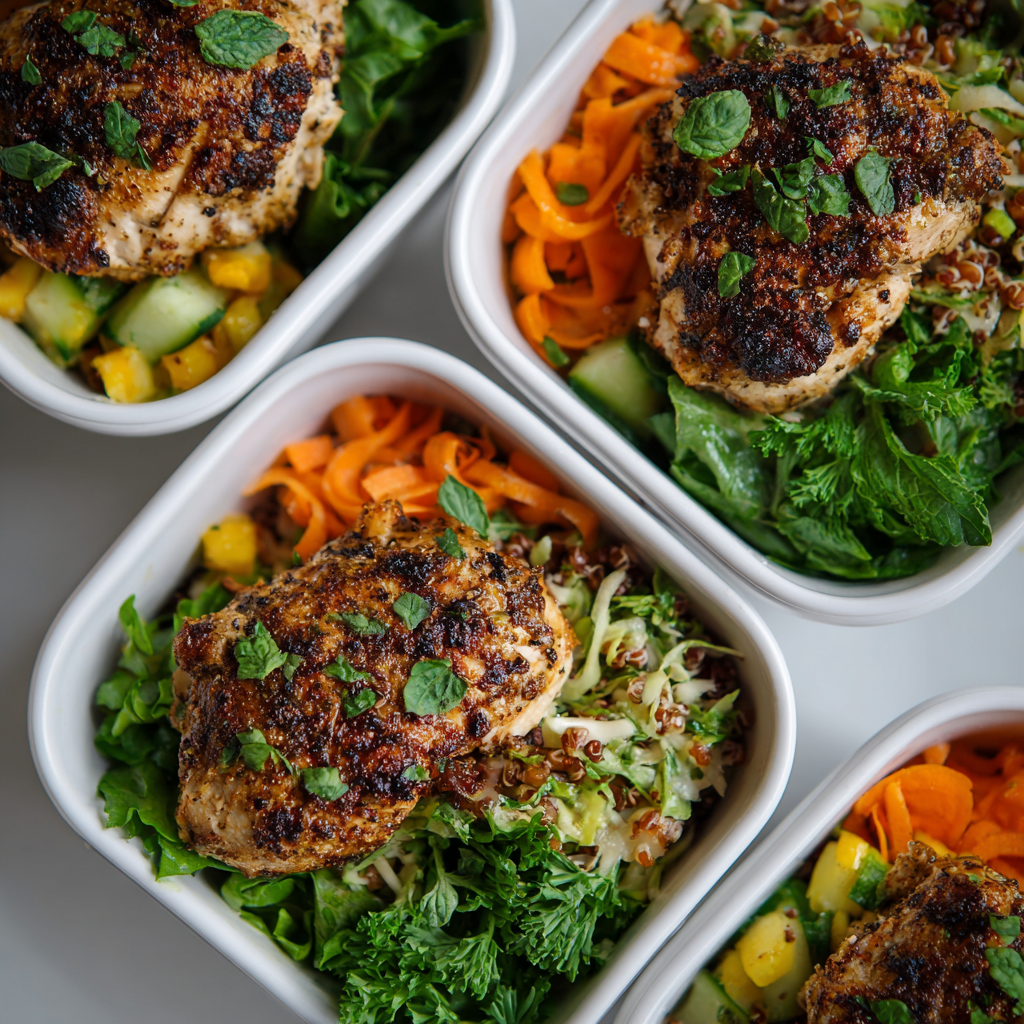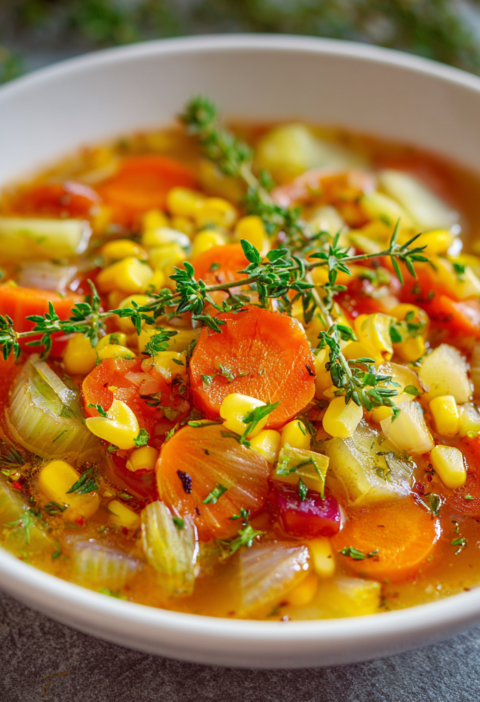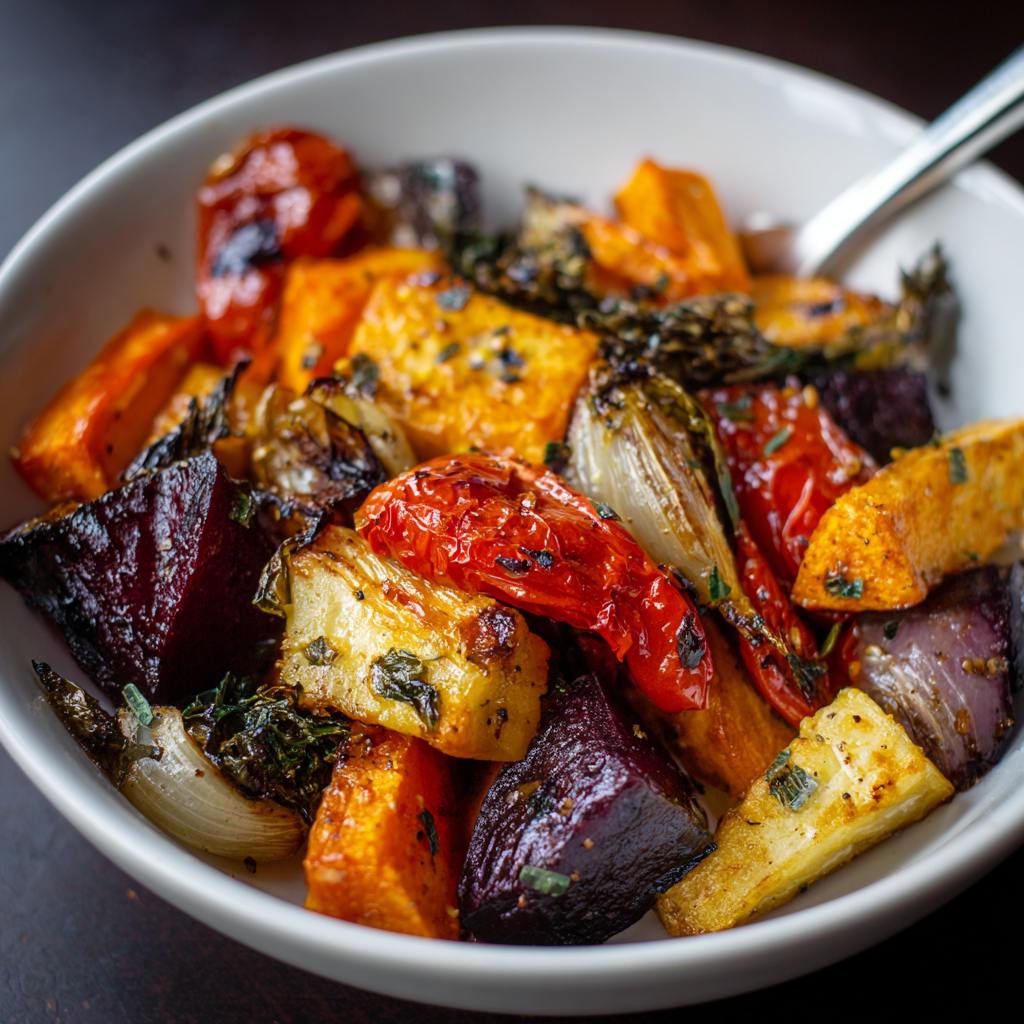
Imagine a stunning, colorful bowl overflowing with caramelized roasted vegetables, hearty grains, and creamy sauce that transforms simple ingredients into something restaurant-quality and absolutely memorable. The Winter Roasted Veggie Bowl celebrates the season’s best produce while delivering complete nutrition that nourishes your body and satisfies your soul. What makes this recipe truly special is how it showcases winter vegetables at their peak deliciousness, creating meals that feel like indulgence while supporting your wellness goals. First, the combination of perfectly caramelized roasted vegetables creates depth and complexity that rivals any expensive restaurant meal. Additionally, the versatility of this bowl makes it perfect for meal prepping, entertaining guests, or simply craving something warm and comforting. Whether you’re vegetarian, vegan, or simply looking for plant-forward meals that impress, this Winter Roasted Veggie Bowl delivers exceptional flavor and nutrition that makes you feel absolutely amazing.
Ingredients
This recipe makes 4 generous roasted veggie bowls, serving 4 people as a complete main course.
- 2 medium sweet potatoes, cubed
- 2 medium beets, peeled and cubed
- 1 medium red bell pepper, diced
- 8 ounces Brussels sprouts, halved
- 2 medium carrots, cut into batons
- 1 small head broccoli, cut into florets
- 1 small cauliflower head, cut into florets
- 4 tablespoons olive oil
- 2 teaspoons smoked paprika
- 1 teaspoon garlic powder
- 1 teaspoon onion powder
- ½ teaspoon cumin
- ½ teaspoon ground cinnamon
- ¼ teaspoon cayenne pepper
- Salt and freshly ground black pepper to taste
- 2 cups cooked quinoa, farro, or brown rice
- 2 cups fresh baby spinach or arugula
- 1 can chickpeas (15 ounces), drained, rinsed, and patted dry
- ½ cup tahini
- 3 tablespoons fresh lemon juice
- 2 cloves fresh garlic, minced
- 2 tablespoons maple syrup or agave nectar
- 1 tablespoon apple cider vinegar
- Salt and pepper to taste
- Water for thinning sauce
- ¼ cup fresh cilantro or parsley, chopped
- 2 tablespoons pumpkin seeds
- 2 tablespoons pomegranate seeds
- ¼ cup crumbled goat cheese or feta (optional)
- Microgreens for garnish
- Fresh lemon wedges for serving
Step-by-Step Instructions
Preparing the Vegetables
- Preheat your oven to 425°F and allow it to reach full temperature before roasting vegetables. Meanwhile, prepare your vegetables by washing, peeling where needed, and cutting them into uniform bite-sized pieces.
- On a large baking sheet, combine the cubed sweet potatoes, cubed beets, diced red bell pepper, halved Brussels sprouts, carrot batons, broccoli florets, and cauliflower florets. Spread them out in a single layer across the entire baking sheet.
- Drizzle the vegetables with 4 tablespoons of olive oil, tossing everything together thoroughly until all pieces are evenly coated. Make sure every vegetable surface receives some oil for proper roasting and caramelization.
- Sprinkle the smoked paprika, garlic powder, onion powder, cumin, ground cinnamon, cayenne pepper, salt, and freshly ground black pepper over the oiled vegetables. Toss everything together carefully until all vegetables are seasoned evenly and no dry spots remain.
- Arrange the seasoned vegetables in a single layer on the baking sheet, spreading them out so they have adequate space. Additionally, try to keep similar-sized vegetables grouped together, as this helps ensure consistent cooking times throughout the roasting process.
- Place the baking sheet in the preheated 425°F oven and roast for 30 to 35 minutes until vegetables are tender and edges are deeply caramelized. Additionally, stir the vegetables halfway through cooking to ensure even browning on all sides.
- The vegetables are done when they’re deeply browned in spots, fork-tender, and show significant caramelization on the edges. However, watch carefully toward the end of cooking, as different vegetables brown at different rates and can become overly charred if not monitored.
- Remove the baking sheet from the oven and set aside to cool slightly. Meanwhile, continue with preparing the other bowl components.
Preparing the Chickpeas
- On a separate baking sheet, toss the drained and patted dry chickpeas with 1 tablespoon of olive oil and a pinch of salt. Additionally, sprinkle lightly with smoked paprika for extra flavor and appealing color.
- Spread the seasoned chickpeas in a single layer on the baking sheet. Next, place them in the oven at the same time as the vegetables, allowing them to roast for 25 to 30 minutes until crispy and golden.
- Shake the baking sheet occasionally during roasting to ensure even browning and crisping throughout. The chickpeas should be crunchy on the outside with a slightly creamy interior when done.
- Remove the chickpea baking sheet from the oven and set aside to cool slightly. These crispy chickpeas add wonderful texture and protein to the completed roasted veggie bowl.
Creating the Tahini Sauce
- In a small mixing bowl, combine the tahini, fresh lemon juice, minced garlic, maple syrup, and apple cider vinegar. Whisk these ingredients together thoroughly until smooth and well combined.
- Add salt and freshly ground black pepper to taste, adjusting seasonings according to your preference. Taste the sauce and adjust balance—add more lemon juice for tartness, more maple syrup for sweetness, or more garlic for pungency.
- The sauce should be pourable but creamy, coating the back of a spoon with a rich layer. If the sauce is too thick, add water one tablespoon at a time until reaching desired consistency.
- Stir in half of the chopped cilantro or parsley to the sauce, reserving the rest for garnish. Next, transfer the tahini sauce to a small serving bowl or squeeze bottle for easy drizzling over the completed bowls.
Cooking the Grains
- If you haven’t already prepared your quinoa, farro, or brown rice, cook according to package directions. Alternatively, if you prefer a warmer bowl, reheat pre-cooked grains gently in a saucepan over medium-low heat with a splash of water.
- Season the cooked grains lightly with salt and freshly ground black pepper, adding a touch of lemon juice if desired. Additionally, add a drizzle of olive oil to create richness and help the grains glisten beautifully.
Assembling the Winter Roasted Veggie Bowls
- Divide the cooked quinoa, farro, or brown rice evenly among four bowls, creating an even base layer. Next, arrange the fresh baby spinach or arugula around or on top of the grains, creating a bed for the roasted vegetables.
- Arrange the roasted vegetables in sections on top of the greens and grains, creating a visually appealing, organized presentation. Additionally, distribute the crispy roasted chickpeas evenly among the four bowls.
- Sprinkle the pumpkin seeds across each bowl for nutty flavor and healthy fats. Next, add pomegranate seeds for bright color and tart sweetness that contrasts beautifully with the roasted vegetables.
- If using goat cheese or feta, crumble it over the top of each bowl. Additionally, garnish with microgreens and remaining cilantro for visual appeal and fresh flavor.
- Drizzle each bowl generously with the prepared tahini sauce, creating beautiful patterns across the vegetables. Serve immediately, providing additional sauce on the side for those who want more.
- Include a fresh lemon wedge with each bowl for additional brightness if desired. Serve while the vegetables are still warm and the greens remain crisp.
Serving and Storage Tips
Serving Suggestions
The Winter Roasted Veggie Bowl works beautifully as a complete lunch or dinner that requires no additional sides. Serve it as presented in individual bowls for an elegant, restaurant-quality presentation. Additionally, you can arrange all components on a large platter family-style, allowing guests to assemble their own bowls according to personal preferences.
Next, consider offering additional sauce options like hummus, garlic aioli, or harissa sauce on the side for customization. Furthermore, you can serve the bowl with warm pita bread, flatbread, or crusty whole grain bread for those who want additional carbohydrates. For extra protein, pair the bowl with falafel or grilled tofu alongside the roasted vegetables.
These bowls work exceptionally well for meal prep, allowing you to prepare components in advance and assemble fresh as needed throughout the week. Additionally, serve roasted veggie bowls at casual gatherings where guests appreciate fresh, nutritious options that don’t require heavy cooking. For office lunches, pack the components in separate containers and assemble just before eating to maintain optimal texture.
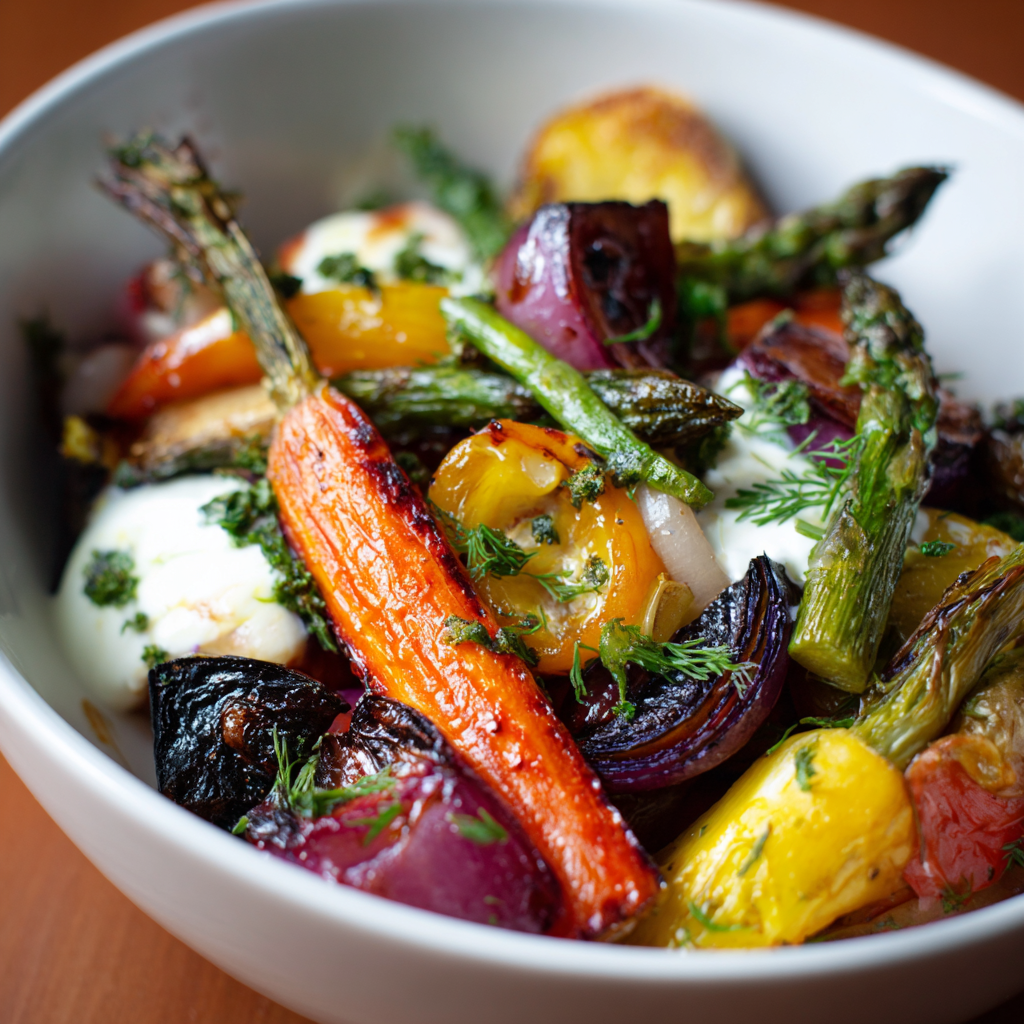
These bowls pair beautifully with herbal tea, kombucha, or sparkling water with lemon for refreshing beverages. Additionally, they work wonderfully alongside a simple green salad or fresh fruit for additional nutrition and variety. For entertaining, you can set up a roasted veggie bowl assembly bar where guests customize their bowls with preferred toppings and sauces.
Proper Storage and Keeping
Store the Winter Roasted Veggie Bowl components in separate airtight containers in the refrigerator for up to 4 days. This approach preserves vegetable texture and allows you to assemble fresh bowls as needed throughout the week. Additionally, store the tahini sauce separately in an airtight glass container for up to 5 days.
The roasted vegetables can be stored together in one container, and the grains in another for flexible meal assembly. Additionally, keep the greens, pomegranate seeds, and other toppings separate to maintain their individual textures and flavors. Store nuts and seeds in airtight containers at room temperature for up to 1 week.
These components don’t freeze well due to the water content in vegetables and greens, so refrigeration provides the best storage method. However, you can freeze the roasted vegetables in separate bags for up to 2 months if desired, then thaw and serve cold or reheated. To reheat components, warm the vegetables gently in a skillet over medium-low heat or in a microwave for 1 to 2 minutes.
Helpful Notes and Tips
This recipe is wonderfully adaptable to your personal preferences and seasonal ingredient availability. However, if you don’t have all the vegetables listed, substitute with other winter vegetables like parsnips, turnips, or celery root. For those seeking additional protein, add baked tofu, tempeh, or hard-boiled eggs to increase protein content and satiety.
Next, you can adjust the grain component based on preference—use millet, barley, or wild rice instead of quinoa or brown rice. Additionally, adding a scoop of hummus or mashed avocado creates extra richness and creaminess. For those preferring different sauce flavors, use a pesto-based sauce, curry sauce, or simple vinaigrette instead of tahini.
One common mistake involves not seasoning vegetables adequately during roasting, which results in bland-tasting components. Therefore, season vegetables generously with salt, pepper, and spices before roasting. Additionally, failing to roast vegetables at high enough temperature prevents proper caramelization, so maintain 425°F heat throughout cooking.
Another mistake involves adding sauce too far in advance of eating, which can make greens soggy. Therefore, drizzle sauce just before serving or provide it on the side for optimal texture maintenance. Furthermore, not toasting nuts and seeds limits their flavor and texture contribution, so take this extra step to improve the final bowl.
Chef’s Professional Tips
First, choosing high-quality tahini from Middle Eastern markets rather than grocery store versions provides superior, more authentic flavor that transforms the sauce dramatically. Next, roasting vegetables at higher temperature creates better caramelization and deeper flavor development that makes the entire bowl more satisfying and delicious.
Frequently Asked Questions
Can I make these bowls vegan? Yes, simply omit the optional goat cheese or feta, and ensure all other ingredients are plant-based—the bowls remain absolutely delicious and nutritionally complete.
How far in advance can I prepare these bowls? Prepare all components separately up to 24 hours ahead, then assemble with sauce just before serving to maintain optimal texture and freshness.
What if I don’t have tahini? Substitute with almond butter, sunflower seed butter, or a simple vinaigrette made with olive oil and lemon juice for different but equally delicious flavor profiles.
Can I make these bowls without grains? Absolutely—use additional vegetables or legumes as your base instead of grains for a grain-free option that remains equally satisfying.
Is this bowl suitable for specific diets? Yes, this bowl is naturally vegetarian, gluten-free when using gluten-free grains, and works beautifully for vegan, Mediterranean, and whole-food plant-based diets.
Why These Bowls Become Your New Favorite
The Winter Roasted Veggie Bowl represents the perfect intersection of nutrition, satisfaction, and visual beauty that home cooks seek. The combination of caramelized vegetables, hearty grains, and creamy sauce creates meals that satisfy completely while supporting your wellness goals. Additionally, the abundance of colors and textures create sensory excitement that makes eating nutritious food genuinely enjoyable.
Furthermore, this recipe proves that healthy meals don’t require sacrifice or complicated preparation. The simple process of roasting vegetables and assembling components transforms into something visually stunning and deeply satisfying. Next, the customizable nature of roasted veggie bowls allows everyone to create their perfect combination based on personal preferences and dietary needs.
These bowls work equally well for dedicated health enthusiasts, busy professionals needing quick lunches, or anyone seeking meals that nourish without weighing you down. Whether you’re meal prepping for the week, hosting a casual gathering, or simply craving something fresh and energizing, this Winter Roasted Veggie Bowl delivers every single time. The reliability of this recipe combined with its exceptional nutritional profile makes it a permanent addition to your regular rotation.
The beauty of this dish lies in how it celebrates winter’s best produce while delivering complete nutrition through simple assembly. First-time cooks achieve impressive, nutritionally complete meals while experienced home chefs appreciate the flexibility to customize with preferred ingredients. Additionally, the naturally plant-based protein from grains and chickpeas makes this bowl accessible for diverse dietary preferences and restrictions.
These bowls remain delicious at various temperatures, though they’re most spectacular when served warm with crispy vegetables and cool fresh greens creating textural contrast. The tahini sauce brings all components together beautifully, creating harmony between different flavors and temperatures. However, room-temperature bowls work wonderfully for portable lunches and outdoor eating occasions.
Did you love this recipe? Save it to your favorite recipe app, pin it to your Pinterest board, and share it with your friends and family who would absolutely adore this Winter Roasted Veggie Bowl! Your feedback and shares encourage us to keep creating more delicious recipes for your table. We can’t wait to hear how your roasted veggie bowl turns out—leave us a comment and let us know what you thought!