Imagine creating a restaurant-quality shrimp Alfredo bowl in your own kitchen—one where tender, succulent shrimp meets silky, luxurious Alfredo sauce over perfectly cooked pasta, all ready in under 30 minutes. This winter shrimp Alfredo bowl recipe delivers that elegant, sophisticated comfort food that tastes like you spent hours perfecting it despite requiring minimal time and effort. What makes this recipe truly special is how it balances fresh seafood with decadent sauce, aromatic garlic, and bright lemon juice that prevents the dish from feeling heavy despite its richness. The buttery Alfredo sauce develops genuine depth from quality Parmesan and cream, while perfectly cooked shrimp provides lean protein that keeps the dish from being overly indulgent. Each bite delivers tender shrimp, creamy pasta, and that deeply satisfying luxury that makes special occasion dinners memorable. Whether you’re seeking quick weeknight meals that feel impressive, wanting to impress dinner guests without exhausting yourself in the kitchen, pursuing romantic dinner ideas, or simply craving elegant comfort food, this winter shrimp Alfredo bowl accomplishes all four with remarkable ease.
Ingredients
Servings: 2-3
For the Alfredo Sauce:
- 3 tablespoons butter
- 4 cloves garlic, minced
- 1/2 cup heavy cream
- 1/2 cup whole milk
- 3/4 cup freshly grated Parmesan cheese
- 2 tablespoons cream cheese
- 1/4 teaspoon white pepper
- Pinch of sea salt
- 1/4 teaspoon nutmeg
- Juice of one-half lemon
For the Shrimp:
- 1 pound large shrimp, peeled and deveined
- 2 tablespoons olive oil
- 3 cloves garlic, minced
- 1/4 teaspoon sea salt
- 1/8 teaspoon black pepper
- 1/4 teaspoon paprika
- 1/4 teaspoon crushed red pepper flakes (optional)
- Juice of one-half lemon
For the Bowl:
- 8-10 ounces fettuccine or pasta of choice
- 2 cups fresh spinach or arugula
- Fresh parsley for garnish
- Additional Parmesan cheese for serving
- Lemon wedges for serving
Why Shrimp Alfredo Creates Elegant Winter Comfort
First, shrimp cooks incredibly quickly—in just a few minutes—making this dish perfect for quick weeknight dinners despite its elegant appearance. Meanwhile, the combination of succulent shrimp with buttery Alfredo sauce creates luxury that feels indulgent without being heavy. However, the real magic lies in how fresh seafood elevates simple pasta into something genuinely special and restaurant-worthy. Additionally, lemon juice and white pepper prevent the sauce from tasting flat or one-dimensional while maintaining elegance. As a result, this seemingly complicated dish delivers sophistication and satisfaction while remaining accessible for home cooks with time constraints.
Step-by-Step Instructions
1. Prepare your ingredients before cooking begins. To begin, ensure your shrimp is fully thawed and patted dry with paper towels. Next, peel and devein shrimp if not already done, removing the dark vein running down the back. Additionally, pat shrimp dry again—moisture prevents proper searing. Meanwhile, having ingredients prepped streamlines cooking and prevents scrambling. However, shrimp cooks quickly, so preparation is crucial. Furthermore, mince your garlic for both the Alfredo sauce and shrimp preparation.
2. Bring water to a boil for your pasta. Fill a large pot about three-quarters full with water. Next, bring it to a rolling boil over high heat. Meanwhile, you’ll need plenty of boiling water to cook pasta properly. Additionally, salting the water is optional but recommended for flavor. However, don’t add oil to the water—it prevents sauce from adhering to pasta. Furthermore, having boiling water ready streamlines the cooking process.
3. Season your shrimp properly for cooking. Pat your shrimp completely dry with paper towels. Next, in a small bowl, combine your sea salt, black pepper, paprika, and crushed red pepper flakes if using. Afterward, sprinkle this seasoning evenly over your shrimp pieces. Meanwhile, proper seasoning creates delicious flavor before cooking. Additionally, dry shrimp seasons better than wet shrimp. However, avoid overseasoning—light seasoning is more elegant. Furthermore, seasoning immediately before cooking prevents moisture from drawing out.
4. Cook your pasta according to package directions. Add your fettuccine or pasta to the boiling water once the water reaches a rolling boil. Next, stir occasionally and cook according to package directions—typically about 9-12 minutes. Meanwhile, pasta should be al dente—tender but with slight firmness. Additionally, tasting a piece at the minimum recommended time ensures proper doneness. However, don’t overcook pasta—it becomes mushy and compromises texture. Furthermore, you can reserve about one cup of pasta water before draining, which helps adjust sauce consistency later.
5. Heat your olive oil for shrimp cooking. While pasta cooks, place a large skillet over medium-high heat. Next, add two tablespoons of olive oil and allow it to shimmer and become very hot. Meanwhile, proper heat ensures shrimp develops golden color rather than steaming. Additionally, hot oil creates delicious browned exteriors. However, ensure oil is hot enough—test with a shrimp piece if uncertain. Furthermore, the skillet should be large enough to accommodate shrimp without crowding.
6. Sear your shrimp until pink and cooked through. Carefully place your seasoned shrimp into the hot oil. Next, allow them to sear undisturbed for about two to three minutes until they turn pink and develop golden-brown exteriors. Afterward, stir and cook the other side for another one to two minutes. Meanwhile, shrimp cook extremely quickly—overcooking makes them rubbery and tough. Additionally, shrimp should be opaque with no translucent parts remaining. However, watch carefully—the difference between perfectly cooked and overcooked shrimp is just seconds. Furthermore, remove shrimp to a plate and set aside.
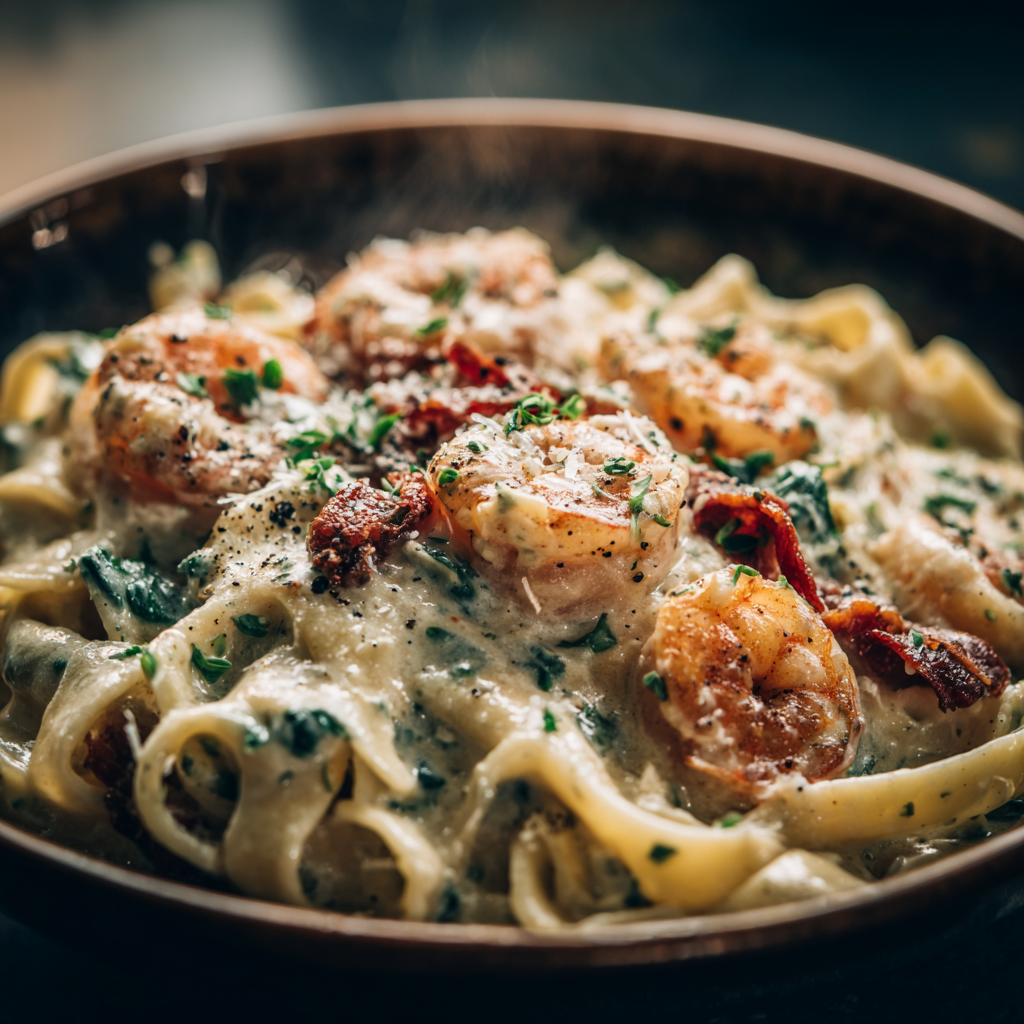
7. Create your Alfredo sauce in the same skillet. Reduce heat to medium. Next, add three tablespoons of butter to the skillet with the shrimp drippings. Allow it to melt completely. Meanwhile, the combination of butter and shrimp drippings creates incredible flavor. Additionally, the drippings add seafood depth to the sauce. However, avoid browning the butter—you want pale, foamy butter. Furthermore, melted butter is ready when it stops sizzling.
8. Add garlic to the butter and cook briefly. Add your minced garlic to the melted butter. Next, stir constantly for about one minute until the garlic becomes fragrant. Meanwhile, garlic releases its essential oils and flavors during this brief cooking. Additionally, the kitchen will smell absolutely delicious. However, avoid burning the garlic—this creates bitter flavors that compromise the sauce. Furthermore, watch carefully and keep the heat at medium. As a result, proper garlic cooking is essential.
9. Add your cream and milk slowly. Pour your heavy cream and whole milk into the skillet with the garlic butter. Next, add this slowly while stirring to combine smoothly. Meanwhile, the mixture will begin heating gently. Additionally, stirring prevents any scorching on the bottom. However, don’t allow the mixture to boil—keep heat at medium or lower. Furthermore, the combination of cream and milk creates luxurious texture. As a result, combining these carefully prevents textural issues.
10. Add your cheeses and seasonings carefully. Add your Parmesan cheese and cream cheese to the sauce. Next, stir gently until both cheeses melt completely into the sauce. Meanwhile, the sauce will become thick, creamy, and luxurious. Additionally, add your white pepper, sea salt, and nutmeg. However, nutmeg is optional—use cautiously as it’s an optional accent. Furthermore, these seasonings create subtle complexity. As a result, careful seasoning prevents overpowering other flavors.
11. Add brightness with lemon juice. Squeeze fresh lemon juice into the Alfredo sauce. Next, stir gently to incorporate. Meanwhile, lemon juice adds subtle acidity that brightens the sauce and prevents it from tasting flat. Additionally, citric acid enhances flavors you don’t taste consciously. However, add lemon juice cautiously—taste before adding more. Furthermore, excessive lemon creates overly sour sauce. As a result, balance is absolutely key.
12. Return shrimp to the sauce to warm through. Add your cooked shrimp back to the Alfredo sauce. Next, stir gently to coat with sauce. Meanwhile, the shrimp will warm through gently without additional cooking. Additionally, combining shrimp with the sauce allows flavors to meld. However, avoid cooking shrimp again—it’s already cooked through. Furthermore, gentle warming prevents overcooking. As a result, minimal additional cooking is important.
13. Taste your sauce and adjust seasonings. Taste your Alfredo sauce and shrimp mixture. Next, adjust salt, white pepper, or lemon juice as needed. Meanwhile, proper seasoning is absolutely essential for delicious sauce. Additionally, what seems perfect to you may need adjustment. However, taste as you go and adjust before plating. Furthermore, seasoning at this stage prevents needing excessive adjustment later. As a result, thoughtful seasoning ensures perfect results.
14. Drain your pasta and reserve pasta water. Once your pasta reaches proper doneness, drain it in a colander. Next, reserve about one cup of pasta water in a separate container. Meanwhile, pasta water contains starch that helps adjust sauce consistency. Additionally, having it available allows fine-tuning. However, don’t rinse the pasta—this removes its natural starch. Furthermore, the starch helps sauce adhere to pasta. As a result, pasta water is a valuable cooking ingredient.
15. Combine pasta with Alfredo sauce gently. Add your drained pasta to the skillet with the Alfredo sauce and shrimp. Next, toss gently to coat pasta evenly with sauce. Meanwhile, some pasta water may have clung to the noodles—this helps the sauce distribute. Additionally, if the sauce seems too thick, add pasta water one tablespoon at a time. However, avoid adding excessive water—you want sauce that clings to pasta, not broth. Furthermore, gentle tossing prevents breaking pasta. As a result, careful combining ensures proper texture.
16. Prepare your serving bowls and add base greens. Divide your fresh spinach or arugula between serving bowls. Next, this creates a nutritious base that will wilt slightly from the hot pasta and sauce. Meanwhile, greens add color and fresh contrast to the dish. Additionally, they provide vegetables and nutrition. However, spinach or arugula is optional—the bowl is absolutely delicious without greens. Furthermore, other greens work if you prefer different options. As a result, use your preferred vegetables.
17. Top bowls with the shrimp Alfredo mixture. Carefully spoon your shrimp Alfredo pasta mixture over the greens in each bowl. Next, distribute shrimp evenly among the bowls. Meanwhile, the hot pasta will begin wilting the greens slightly. Additionally, the presentation should be attractive and appetizing. However, don’t overthink plating—rustic presentations look wonderful. Furthermore, ensure generous portions of shrimp and sauce. As a result, generous plating shows care and appreciation.
18. Garnish and serve immediately. Top each bowl with fresh parsley, additional grated Parmesan cheese, and a lemon wedge. Next, serve immediately while the pasta is hot and the sauce is creamy. Meanwhile, hot pasta tastes best—serving promptly prevents cooling. Additionally, garnishes add visual appeal and fresh flavors. However, some people prefer fewer garnishes—adjust to your preference. Furthermore, lemon wedges allow guests to add additional brightness if desired. As a result, serve with enthusiasm and pride.
Serving and Storage Tips
How to Serve Your Winter Shrimp Alfredo Bowl
First, serve your Alfredo bowl immediately while the pasta is hot and the sauce is creamy. Next, crusty bread for dipping into sauce provides delightful contrast. Additionally, simple salad with vinaigrette creates light balance. However, the Alfredo bowl is absolutely satisfying and complete on its own. Furthermore, this dish works equally well for quick weeknight dinners and romantic dinner dates. As a result, serve whenever you want elegance and satisfaction.
Proper Storage and Reheating Considerations
To begin, store leftover shrimp Alfredo in an airtight container in the refrigerator for up to three days. Next, avoid storing longer—seafood deteriorates quickly. Additionally, leftover Alfredo reheats gently on the stovetop over low heat, stirring occasionally and adding a splash of cream if it seems too thick. However, avoid microwaving—this dries out shrimp and can cause separation. Furthermore, shrimp Alfredo is not recommended for freezing—the texture becomes compromised upon thawing. In contrast to many pasta dishes, this is best consumed fresh or within a few days.
Helpful Notes and Tips for Success
Understanding key techniques ensures your winter shrimp Alfredo bowl turns out absolutely delicious every single time. First, shrimp quality significantly affects the final dish. Meanwhile, wild-caught shrimp has superior flavor to farmed. However, either works acceptably. Additionally, size matters—large shrimp are easier to cook evenly and look more impressive. Furthermore, fresh or properly thawed shrimp produces superior results. As a result, quality shrimp investment pays off.
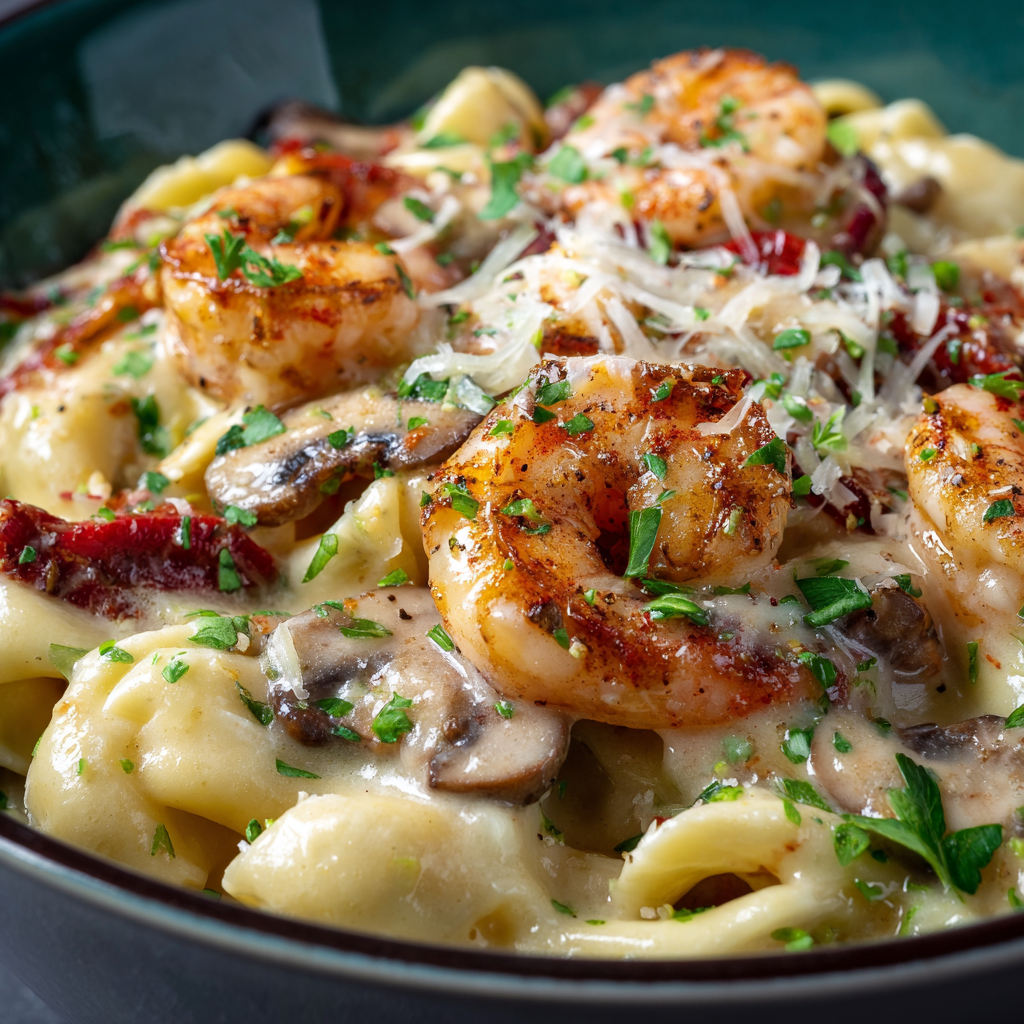
Next, thoroughly drying shrimp before cooking is absolutely essential for proper searing. Additionally, moisture prevents browning and creates steaming instead. Meanwhile, multiple paper towel pats remove maximum moisture. However, dry shrimp seems almost grainy—this is correct. Furthermore, proper drying ensures beautiful golden color. As a result, this preparation step is non-negotiable.
Furthermore, Alfredo sauce requires gentle heat and constant stirring to prevent breaking. To begin, excessive heat causes cream to separate. Meanwhile, low heat takes longer but produces superior results. However, proper temperature requires attention. Additionally, stirring prevents scorching on the pot bottom. As a result, careful heat management is crucial.
Additionally, using freshly grated Parmesan cheese is far superior to pre-shredded versions. To begin, pre-shredded cheese contains anti-caking agents that affect sauce texture. Meanwhile, freshly grated melts smoothly and creates better consistency. However, pre-shredded works acceptably if that’s all available. Furthermore, quality Parmesan makes a tremendous difference. As a result, investing in good Parmesan pays off.
Finally, white pepper is preferred over black pepper in Alfredo sauce because it doesn’t create visible specks that affect the sauce’s appearance. To begin, white pepper provides heat without visual impact. Meanwhile, black pepper works if white pepper is unavailable. However, use white pepper if possible for authentic appearance. Furthermore, proper pepper selection shows attention to detail. As a result, white pepper is worth seeking out.
Common Mistakes to Avoid
To begin, one frequent error is overcooking shrimp, resulting in rubbery, tough texture. Meanwhile, shrimp cooks in just minutes—overcooking is easy. However, careful watching prevents this issue. Additionally, another mistake involves using low heat when searing shrimp, causing steaming instead of searing. In contrast, proper heat creates golden color and delicious flavor.
Furthermore, some home cooks boil the cream or allow excessive heat, causing sauce to separate. Meanwhile, gentle heat and constant stirring prevent separation. Additionally, using pre-shredded cheese can cause textural issues compared to freshly grated.
Finally, some people create sauce that’s too thick, resulting in clumpy texture. Meanwhile, pasta water helps adjust consistency. As a result, proper consistency management is important.
Chef Tips
Professional chefs recommend adding one-quarter teaspoon of white wine to the Alfredo sauce for subtle complexity and sophistication that deepens flavor without making the dish taste alcoholic. Additionally, for extra elegance, add fresh lump crab meat alongside the shrimp—this transforms the dish into an even more luxurious combination.
Frequently Asked Questions
Can I use frozen shrimp instead of fresh? Absolutely. Ensure frozen shrimp is completely thawed and patted dry before cooking. Thawed shrimp produces excellent results identical to fresh—the key is proper drying before cooking.
What pasta shapes work best for Alfredo? Fettuccine is traditional and ideal for clinging to sauce beautifully. Penne, rigatoni, and spaghetti also work wonderfully. Choose your preferred pasta shape.
Can I make this without cream? You can use half-and-half or even whole milk instead, though the sauce will be less rich. The flavor remains delicious but texture won’t be quite as luxurious.
How can I make this dish lower in fat? Reduce cream and butter amounts, using more milk instead. You could also use Greek yogurt mixed with a small amount of cream for tartness and reduced fat.
Is this dish suitable for entertaining? Absolutely. You can prepare components ahead and quickly assemble and cook when guests arrive. This makes it perfect for romantic dinners or impressive entertaining.
Why This Winter Shrimp Alfredo Bowl Becomes a Favorite
First, the combination of elegant seafood with luxurious sauce creates something that feels special and restaurant-worthy. Next, the quick preparation—under 30 minutes—means impressive results without exhausting yourself. Meanwhile, the impressive presentation makes this appropriate for entertaining or romantic dinners. Additionally, the shrimp provides lean protein making the dish feel less guilty. Furthermore, because it tastes restaurant-quality, you’ll find yourself making it regularly.
As a result, this winter shrimp Alfredo bowl bridges the gap between elegance and accessibility perfectly. In contrast to restaurant versions costing significant money, homemade preparation costs far less while tasting equally impressive. However, homemade requires minimal effort—just attention to timing. Additionally, once you master this formula, you’ll experiment with variations. Therefore, this recipe deserves a permanent place in your entertaining repertoire.
The Bottom Line
Winter shrimp Alfredo bowl represents the ideal solution for those seeking elegant, restaurant-quality meals without spending hours in the kitchen. Next, whether you’re seeking impressive weeknight dinners, wanting to impress romantic partners, pursuing entertaining solutions, or craving elegant comfort food, this recipe delivers professional results every single time. Additionally, the combination of succulent shrimp, creamy Alfredo, and fresh pasta creates something genuinely memorable and worth making regularly.
To begin your shrimp Alfredo journey, invest in quality large shrimp and freshly grated Parmesan cheese this week. Afterward, set aside 30 minutes on your next evening to create this elegant dish. Furthermore, as you taste your restaurant-quality shrimp Alfredo and appreciate how simple yet impressive it is, you’ll understand why this recipe deserves regular rotation in your entertaining and weeknight meal plans. The elegant flavor, impressive presentation, quick preparation, and remarkable deliciousness combine to create something truly special that transforms ordinary evenings into memorable dining experiences.
Did you adore this winter shrimp Alfredo bowl recipe? We’d absolutely love to hear about it! Please save this recipe for your next special dinner, pin it to your Pinterest board for easy access, and share it with friends and family who deserve elegant, restaurant-quality home-cooked meals. Your love and support mean everything to us—every save, share, and pin encourages us to create more delicious recipes and helpful cooking content. Thank you for being part of our warm, welcoming culinary community!