When winter evenings demand something warm, indulgent, and exciting enough to wake up your taste buds, nothing satisfies quite like creamy pasta with just the right amount of heat that tingles pleasantly without overwhelming. This Italian-inspired dish combines silky cream sauce, aromatic garlic, fiery red pepper flakes, and al dente pasta into comfort food that’s far from boring. What makes this recipe truly exceptional is how it balances rich creaminess with bold spice, creating complexity that keeps you coming back for bite after bite. The combination of butter, cream, Parmesan cheese, and crushed red pepper creates layers of flavor that transform simple ingredients into something genuinely crave-worthy. Whether you’re cooking for yourself on a busy weeknight, impressing a date with minimal effort, or feeding your family a meal they’ll enthusiastically devour, this spicy cream pasta delivers satisfaction that makes winter feel more exciting. Best of all, it comes together in less than twenty-five minutes using pantry staples and straightforward techniques, proving that restaurant-quality Italian food is absolutely achievable in your own kitchen without advanced skills or exotic ingredients.
Ingredients
This recipe makes 4 servings.
For the Pasta:
- 1 pound pasta (penne, rigatoni, or fettuccine work best)
- 1 tablespoon salt (for pasta water)
- 1 cup reserved pasta water
For the Spicy Cream Sauce:
- 4 tablespoons unsalted butter
- 6 cloves garlic, minced
- 1 to 2 teaspoons red pepper flakes (adjust to heat preference)
- 1/4 teaspoon cayenne pepper (optional, for extra heat)
- 1.5 cups heavy cream
- 1 cup freshly grated Parmesan cheese
- 1/2 cup freshly grated Pecorino Romano cheese (optional)
- 1 teaspoon salt
- 1/2 teaspoon black pepper
- 1/4 teaspoon nutmeg
- 2 tablespoons tomato paste (optional, for color and depth)
For Finishing:
- 1/4 cup fresh basil leaves, torn
- 2 tablespoons fresh parsley, chopped
- Extra Parmesan cheese for serving
- Extra red pepper flakes
- Lemon wedges (optional)
- Extra virgin olive oil for drizzling
Instructions
- Bring a large pot of salted water to a rolling boil over high heat.
- Add the pasta and cook according to package directions until al dente.
- Reserve 1 cup of pasta water before draining.
- Drain the pasta but do not rinse it.
- Meanwhile, melt the butter in a large skillet over medium heat.
- Once the butter foams, add the minced garlic and sauté for 1 minute until fragrant.
- Add the red pepper flakes and cayenne if using, stirring for 30 seconds.
- Toast the spices briefly to release their oils and intensify the heat.
- Stir in the tomato paste if using, cooking for 1 minute until it darkens slightly.
- Pour in the heavy cream and bring to a gentle simmer.
- Reduce heat to medium-low and let the cream simmer for 3 to 4 minutes.
- Stir occasionally as the sauce thickens slightly.
- Remove the skillet from heat temporarily.
- Add the Parmesan cheese gradually, stirring constantly until melted.
- Add the Pecorino Romano if using, stirring until completely incorporated.
- Season with salt, black pepper, and nutmeg, stirring to combine.
- Taste the sauce and adjust heat level by adding more red pepper flakes if desired.
- Return the skillet to low heat if the sauce has cooled too much.
- Add the drained pasta to the sauce, tossing to coat every piece.
- Add splashes of reserved pasta water to loosen the sauce if it seems too thick.
- Continue tossing until the pasta is evenly coated and the sauce clings beautifully.
- Cook together for 1 to 2 minutes to allow the pasta to absorb the sauce flavors.
- Remove from heat and stir in the torn basil and chopped parsley.
- Taste and adjust final seasonings with more salt, pepper, or cheese as needed.
- Transfer the pasta to serving bowls or a large serving dish.
- Drizzle with extra virgin olive oil for shine and richness.
- Garnish with additional Parmesan, fresh herbs, and red pepper flakes.
- Serve immediately while hot and creamy, with lemon wedges on the side if desired.
Balancing Cream and Heat
Creating the perfect spicy cream sauce requires understanding how to balance richness with heat so neither element overwhelms the other. The heavy cream provides luxurious texture and mild sweetness that tames the sharp heat of the red pepper flakes, creating pleasant warmth rather than painful burning. This interplay allows you to use more spice than you could in a non-cream sauce, creating complex flavor where heat enhances rather than dominates. The result is pasta that’s exciting and bold without being uncomfortable to eat.
Adjusting the heat level to your preference involves understanding the different sources of spiciness. Red pepper flakes provide gentle, lingering heat that builds gradually with each bite. Cayenne pepper contributes sharper, more immediate heat that hits faster. Using both creates more complex spice profile with different layers that develop as you eat. Start conservatively with 1 teaspoon of red pepper flakes, taste the sauce, and add more gradually until you reach your ideal heat level—you can always add more but can’t remove it once added.
The optional tomato paste serves multiple purposes beyond just adding tomato flavor. It contributes subtle sweetness and acidity that balance the richness of the cream and sharp bite of the spices. Additionally, it adds beautiful color that makes the sauce more visually appealing—pale white cream can look less appetizing than sauce with warm, rosy hue. Finally, tomato paste contains glutamates that contribute umami depth, making the entire dish taste more complex and satisfying. While optional, this ingredient elevates the sauce significantly.
Creating Silky, Smooth Sauce
Achieving restaurant-quality cream sauce requires proper technique that prevents graininess, separation, or curdling. Starting with aromatics like garlic and red pepper in butter builds a flavorful foundation before adding cream. Toasting the spices briefly in the hot butter releases their essential oils, intensifying their flavors dramatically. This technique, called “blooming” spices, makes them taste more potent and aromatic than simply stirring them into finished sauce.
Bringing the cream to a gentle simmer rather than a rolling boil allows it to thicken naturally without breaking or separating. High heat can cause the proteins in cream to curdle, creating grainy texture instead of silky smoothness. Simmering also reduces the cream slightly, concentrating its flavor and creating proper sauce consistency. Additionally, the gentle heat allows the garlic and spices to infuse the cream thoroughly, distributing their flavors throughout rather than leaving hot spots of intense taste.
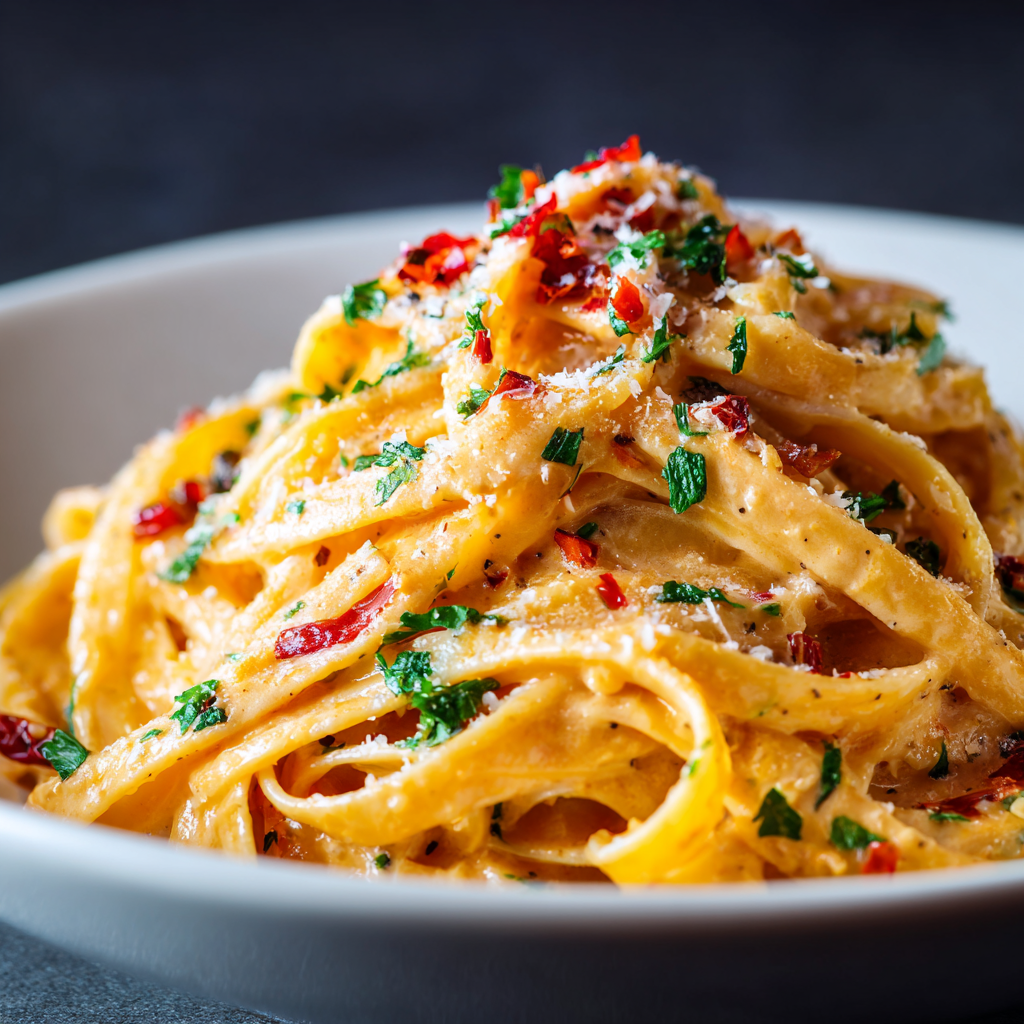
Adding cheese off heat or over very low heat prevents it from becoming stringy or grainy. Parmesan contains proteins that clump when overheated, creating unpleasant texture instead of smooth incorporation. Removing the pan from heat before adding cheese and stirring constantly ensures it melts gently and emulsifies into the sauce beautifully. Adding cheese gradually rather than all at once also promotes smoother melting. These careful techniques create sauce that stays silky and glossy rather than separated or grainy.
Choosing the Right Pasta Shape
Selecting the appropriate pasta shape significantly impacts how well the sauce coats and how enjoyable each bite becomes. Short, tubular pasta like penne or rigatoni works beautifully because the sauce gets trapped inside the tubes, creating flavor bombs in every piece. The ridged surfaces of these shapes also grab sauce effectively, ensuring thorough coating. Additionally, their sturdy structure holds up well to creamy sauce without becoming overwhelmed or mushy.
Long pasta like fettuccine or linguine creates elegant presentation and that classic twirling experience many people love. The wide, flat ribbons provide substantial surface area for sauce adhesion while creating satisfying mouthfeel. However, long pasta requires more careful tossing to ensure even coating, and some people find it messier to eat than short shapes. Choose based on your preferences and the formality of your meal—short pasta feels more casual while long pasta seems more elegant.
Whatever shape you choose, cooking it properly to al dente texture is absolutely essential. Pasta should be tender but still have slight firmness when bitten—not soft, mushy, or crunchy. Al dente pasta has better texture, holds sauce more effectively, and continues cooking slightly when tossed with hot sauce. Additionally, properly cooked pasta releases starches into the cooking water that you’ll use to adjust sauce consistency. These details separate mediocre pasta dishes from exceptional ones that taste restaurant-quality.
The Magic of Pasta Water
Understanding how to use pasta water transforms good sauce into exceptional sauce through the power of starch emulsification. The cloudy cooking water contains dissolved starches from the pasta that act as natural thickener and emulsifier, helping fat-based and water-based ingredients combine smoothly. Adding splashes of this starchy water to your sauce creates glossy, clingy consistency that coats pasta beautifully rather than pooling at the bottom of the bowl. This technique represents one of the most important secrets of great Italian pasta cooking.
The amount of pasta water needed varies depending on how thick your sauce became during cooking and how much sauce you started with. Add it gradually—start with 1/4 cup and add more as needed while tossing the pasta. The sauce should flow when you stir but immediately coat the pasta rather than sliding off. It should look creamy and cohesive, not watery or separated. Learning to judge proper consistency comes with practice, but erring on the slightly thinner side is safer since sauce continues thickening from residual heat.
Reserving pasta water before draining represents a crucial step that many home cooks forget until it’s too late. Keep a heatproof measuring cup near the pot and scoop out at least a cup before pouring pasta into the colander. Once drained, that precious starchy water is gone forever, so making this a habit ensures you always have it available. This simple preparation prevents the frustration of needing pasta water after you’ve already drained everything away and having to start over or compromise on texture.
Serving and Storing Tips
Serving Tips
Serve this spicy cream pasta immediately while it’s hot and the sauce is at its silkiest consistency. The pasta tastes best fresh when the textures and temperatures are perfect and the flavors are most vibrant. Twirling pasta into nests on individual plates creates restaurant-style presentation, or serve family-style in a large shallow bowl where everyone can help themselves. Drizzling with high-quality olive oil adds fruity richness and makes the dish look glossy and professional.
Simple accompaniments complement without overwhelming this flavorful pasta. A crisp green salad with lemon vinaigrette provides refreshing contrast to the rich, spicy cream sauce. Garlic bread or crusty Italian bread soaks up any extra sauce beautifully and adds satisfying carbohydrates. Roasted vegetables like broccoli, asparagus, or Brussels sprouts add color, nutrition, and textural variety. Additionally, a glass of crisp white wine like Pinot Grigio or a light red like Chianti cuts through the richness and enhances the Italian flavors.
For added protein that transforms this side dish into complete meal, several options work beautifully. Grilled chicken breast sliced over the top adds substantial protein. Pan-seared shrimp creates elegant surf-and-turf combination. Crispy pancetta or bacon contributes salty, smoky notes. Italian sausage adds heartiness and complements the spicy profile. These additions make the pasta more filling while creating different flavor experiences that showcase its versatility.
Storage Tips
Store leftover spicy cream pasta in airtight containers in the refrigerator for up to 3 days. The sauce will thicken considerably as it cools and the pasta continues absorbing liquid, which is completely normal. When reheating, add generous splashes of cream, milk, or chicken broth to loosen the sauce and restore creamy consistency. Heat gently over medium-low on the stovetop, stirring frequently, or microwave in 1-minute intervals with added liquid.
The best reheating method involves adding the pasta to a skillet with a few tablespoons of cream or milk over medium-low heat. Stir constantly until warmed through and the sauce loosens and becomes creamy again. This stovetop method produces significantly better results than microwaving, which can create rubbery pasta and separated sauce. Adding a pat of butter and a sprinkle of fresh Parmesan at the end refreshes the flavors and makes leftovers taste nearly as good as fresh.
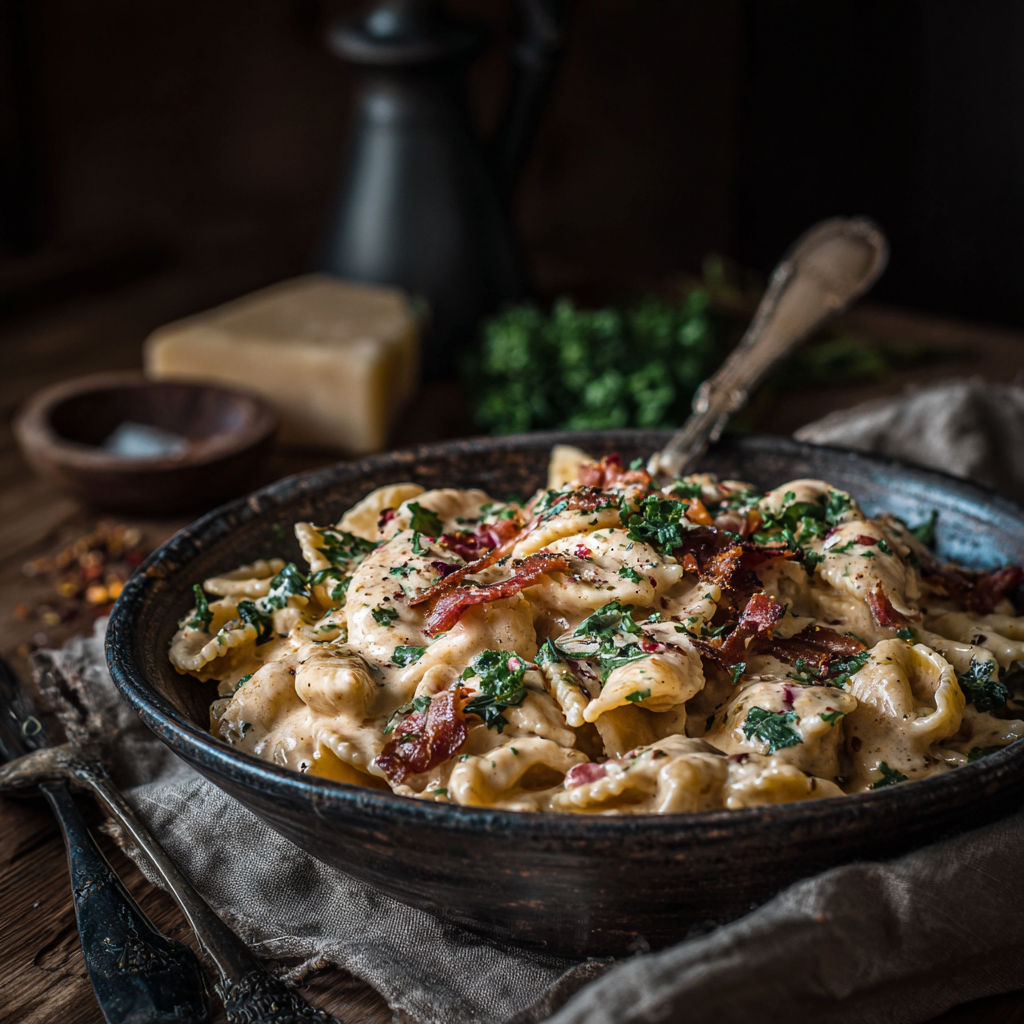
Freezing cream-based pasta isn’t generally recommended because the sauce often separates and becomes grainy when frozen and thawed. The pasta texture also suffers, becoming mushy or mealy rather than al dente. If you must freeze it, consume within 2 months and expect to need aggressive stirring and added cream when reheating. However, since this recipe comes together so quickly, making it fresh whenever you want it is usually more practical than dealing with frozen leftovers that won’t taste as good.
Helpful Notes
Making this pasta even more weeknight-friendly involves minimal shortcuts that save time without affecting quality. Use pre-minced garlic from a jar if fresh garlic feels too fussy. Choose quick-cooking pasta shapes to reduce boiling time. Buy pre-grated Parmesan if convenience matters more than optimal texture, though freshly grated melts more smoothly. These modifications make an already-quick recipe practically effortless while still producing delicious results that satisfy comfort food cravings.
For those wanting lighter versions that maintain good flavor while reducing calories, several adjustments help. Use half-and-half instead of heavy cream for moderately lighter sauce. Add chicken broth to extend the sauce without excessive cream. Increase the Parmesan slightly to compensate for reduced cream richness. Use whole wheat or chickpea pasta for added fiber and nutrition. These modifications create lighter pasta that still satisfies comfort food cravings while supporting wellness goals better than the fully indulgent version.
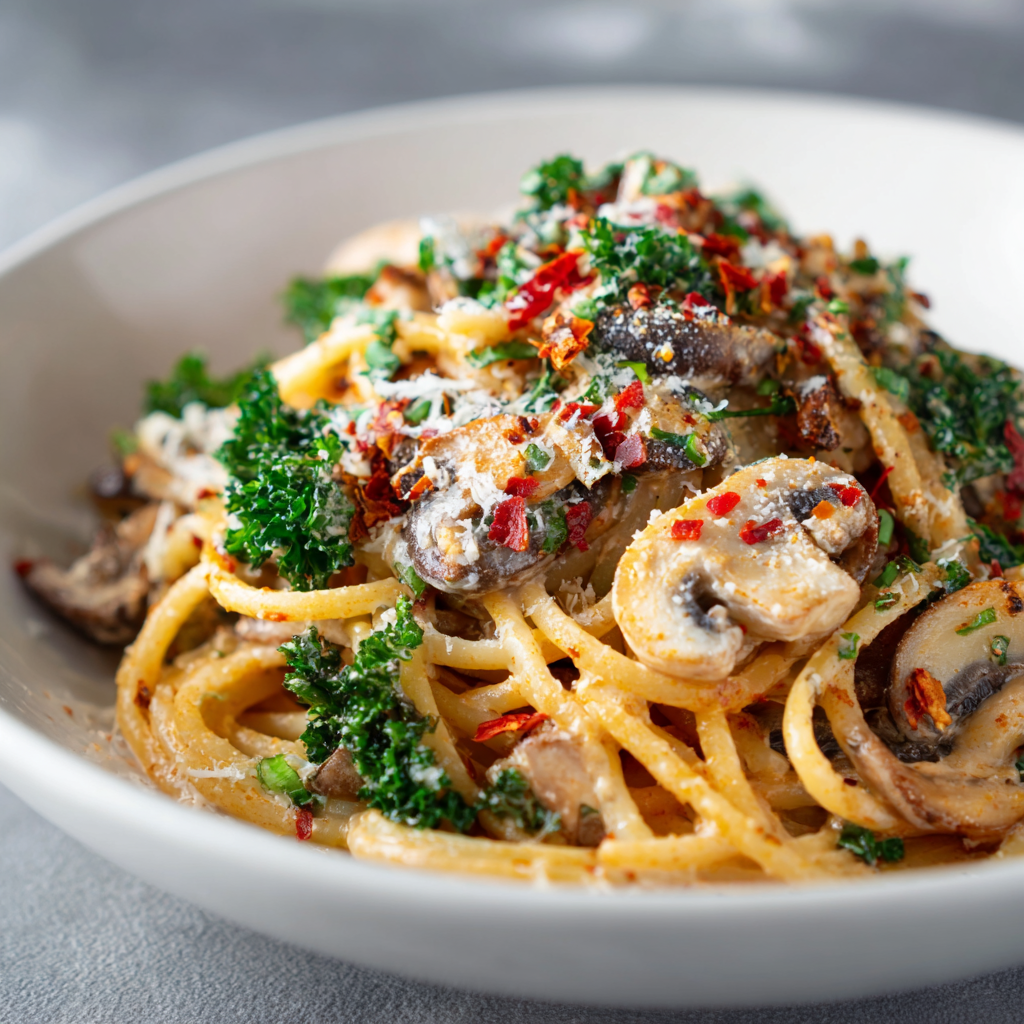
Customizing the flavor profile keeps spicy cream pasta interesting across multiple preparations. Add sun-dried tomatoes and spinach for Mediterranean variation. Include mushrooms and white wine for earthier, more sophisticated version. Stir in vodka before adding cream for trendy vodka sauce variation. Use different cheeses like Asiago or fontina for different flavor profiles. Fresh lemon zest and juice create brighter, more vibrant version. These variations showcase the recipe’s versatility and prevent boredom from eating the same preparation repeatedly.
Common mistakes include using pre-shredded cheese that won’t melt smoothly, adding cheese to sauce that’s too hot, or not reserving pasta water. Always shred cheese fresh from blocks when possible, remove the pan from heat before adding cheese, and remember to save that precious pasta water before draining. Additionally, avoid rinsing cooked pasta, which washes away the starches that help sauce adhere. These simple precautions ensure restaurant-quality results rather than disappointing amateur outcomes.
Chef Tips
Professional chefs know that finishing the pasta in the sauce over low heat for a minute or two creates superior integration where the pasta actually absorbs flavor rather than just being coated. This technique, called “marrying” the pasta and sauce, uses starchy pasta water to create an emulsified sauce that clings perfectly to every piece. The gentle heat helps bond everything together rather than simply mixing them, which is why restaurant pasta always seems more cohesive than home-cooked versions that just toss pasta with sauce.
Another expert technique involves adding a splash of the pasta cooking water to the sauce even before adding the pasta. This pre-thinning creates the right consistency for coating pasta and helps the sauce emulsify more effectively. Then, as you add the pasta and toss, you can fine-tune the consistency with additional pasta water as needed. This approach gives you more control over final texture and ensures the sauce never becomes too thick or pasty.
Frequently Asked Questions
Can I make this sauce without cream? Not for authentic results; try using cashew cream or blended silken tofu for dairy-free creaminess, though the flavor will be different.
Why did my sauce separate or become grainy? The sauce got too hot after adding cheese, causing proteins to clump; always add cheese off heat or over very low heat while stirring constantly.
How do I make this less spicy? Reduce red pepper flakes to 1/2 teaspoon or omit entirely; you can always add more heat at the table with additional flakes.
Can I add vegetables to this pasta? Absolutely, spinach, sun-dried tomatoes, mushrooms, or roasted red peppers all work beautifully; add them when tossing the pasta with sauce.
What if I don’t have Parmesan cheese? Use any hard Italian cheese like Pecorino Romano, Grana Padano, or aged Asiago; avoid pre-grated versions that won’t melt smoothly.
Creating Cozy Winter Dinners
Few meals capture the essence of winter comfort quite like a bowl of creamy, spicy pasta that warms you from the inside out while exciting your taste buds. This recipe represents more than dinner—it’s the kind of food that makes cold evenings feel cozier, transforms ordinary weeknights into something special, and provides the comfort we all crave during the darkest months. When you serve generous portions of this silky, golden pasta with its perfect balance of cream and heat, you’re offering more than calories; you’re creating an experience of warmth and satisfaction that makes everything feel better.
The practical advantages of this pasta extend beyond its incredible taste to include remarkable speed and simplicity that fit seamlessly into busy lives. This dish comes together faster than ordering delivery and waiting for it to arrive, making it perfect for those evenings when you want something special but have minimal time or energy. Furthermore, the recipe uses pantry staples and basic techniques, meaning you can make it spontaneously without special shopping trips or advanced planning.
As you make this spicy cream pasta repeatedly, you’ll develop your own signature touches and preferred heat levels. Perhaps you’ll find your perfect spice balance, discover favorite cheese combinations, or create variations that become family traditions. These personal adaptations transform a basic recipe into your signature dish—something you become known for among friends and family who request it for gatherings and celebrations.
The simple ritual of stirring silky cream sauce, tossing pasta with care, and watching everything come together creates satisfaction that extends beyond eating. These acts of intentional cooking become meditations on care and nourishment, transforming ordinary evenings into moments worth savoring. Spicy cream pasta isn’t just food—it’s edible comfort with excitement, proving that cozy winter dinners don’t have to be boring or bland to provide warmth and satisfaction.
Did this Winter Spicy Cream Pasta become your new cold-weather craving? If you loved how creamy and perfectly spicy the sauce turned out, how quickly it came together, and how it satisfied your comfort food needs while keeping things interesting, we’d be thrilled if you could save this recipe for regular rotation, pin it to your pasta Pinterest board, or share it with friends who appreciate Italian classics with a kick. Your support and enthusiasm inspire us to continue creating and sharing recipes that bring warmth, flavor, and excitement to your table. Tell us in the comments how you adjusted the heat level and what you served alongside your pasta—we love hearing about your spicy pasta adventures!