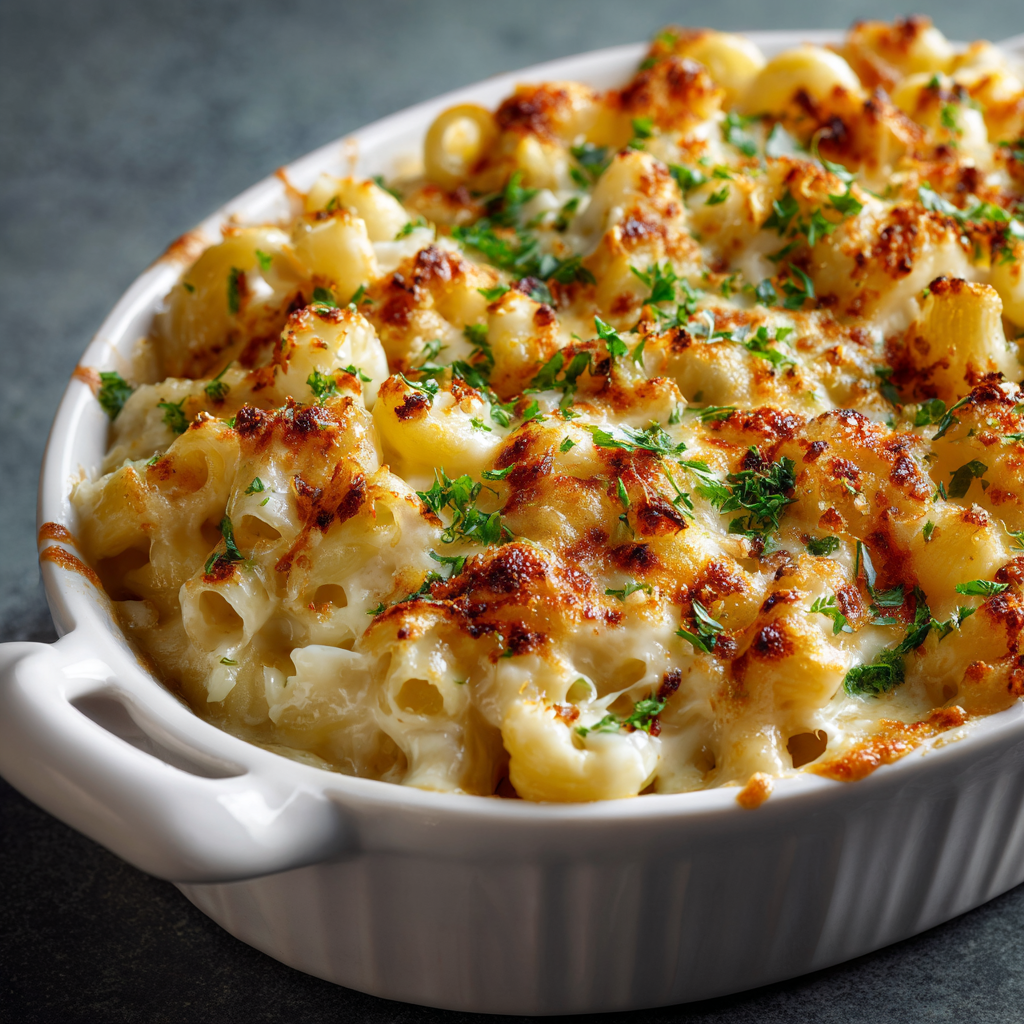
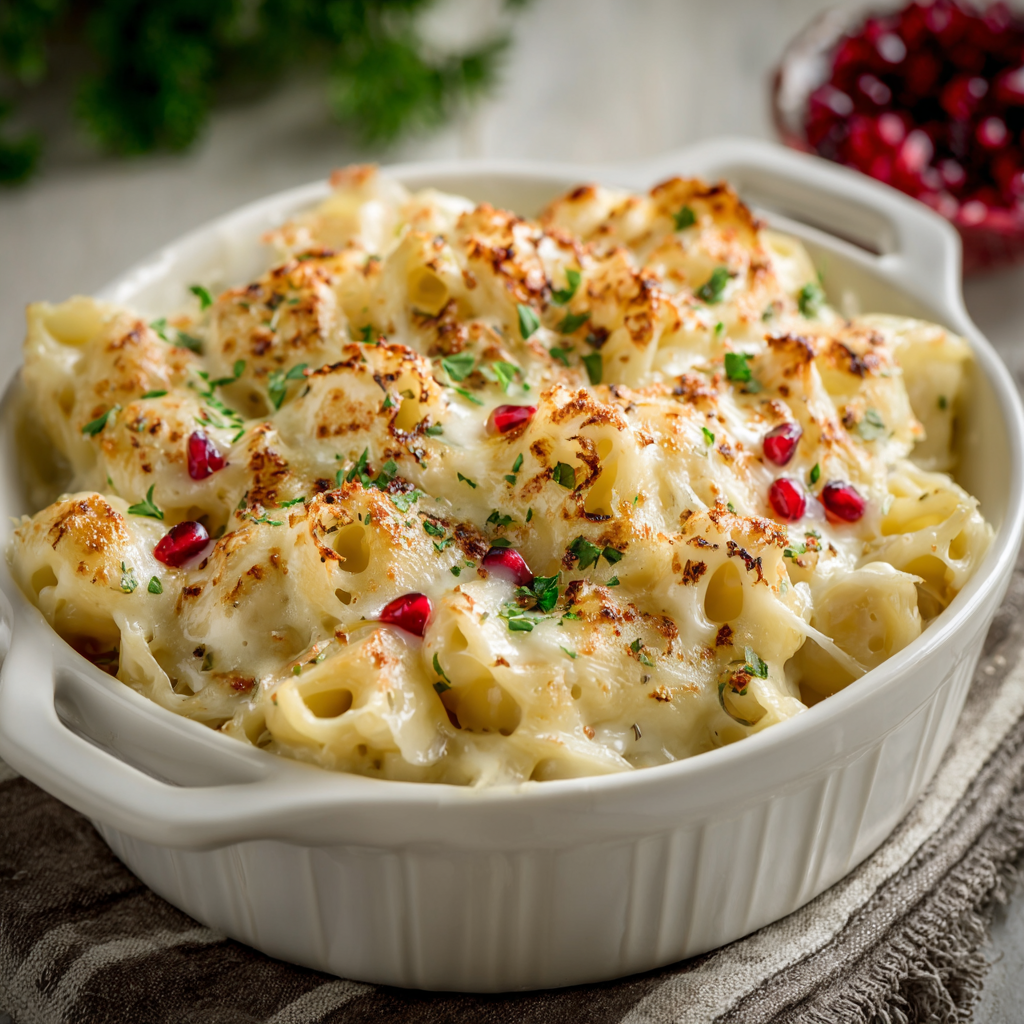
Winter ultra creamy mac and cheese represents the ultimate embodiment of comfort food, delivering velvety, luxurious satisfaction that feels like pure indulgence with every single forkful. This exceptional dish combines tender pasta with an extraordinarily creamy cheese sauce made from a blend of carefully selected cheeses that work together harmoniously to create something absolutely transcendent. What makes this recipe truly special is how it achieves that restaurant-quality creaminess without relying on processed cheese products, instead using real cheeses and proper technique to create something genuinely memorable and deeply satisfying. Whether you’re seeking ultimate comfort food for chilly evenings, impressive sides for winter entertaining, or simple weeknight solutions that feel special, this ultra creamy mac and cheese delivers impressive results that become instant household favorites. The combination of multiple cheeses, silky béchamel sauce, and perfectly cooked pasta creates layers of flavor and texture that develop beautifully, becoming more complex and satisfying with every creamy bite. From the moment you begin preparing the first components to the final moment you savor the most indulgent, creamy mac and cheese you’ve ever experienced, you’ll appreciate how thoughtful ingredient selection and proper technique create something genuinely exceptional that surpasses any restaurant version or boxed alternative.
Ingredients
This recipe makes 6 to 8 generous servings.
- 1 pound elbow macaroni or small pasta shells
- 4 tablespoons unsalted butter
- 4 tablespoons all-purpose flour
- 3 cups whole milk, room temperature
- 1 cup heavy cream, room temperature
- 2 cups sharp aged cheddar cheese, shredded
- 1 cup gruyere cheese, shredded
- ½ cup fontina cheese, shredded
- ½ cup grated Parmesan cheese
- 2 teaspoons Dijon mustard
- ½ teaspoon smoked paprika
- ¼ teaspoon cayenne pepper (optional, for subtle heat)
- ½ teaspoon white pepper
- ¾ teaspoon sea salt (adjust based on preference)
- ¼ teaspoon garlic powder
- 2 tablespoons fresh thyme leaves (or ½ teaspoon dried thyme)
- 1 tablespoon fresh lemon juice
- 4 tablespoons unsalted butter, melted (for topping)
- 1½ cups panko breadcrumbs
- ½ cup grated Parmesan cheese (for topping)
- 2 tablespoons fresh parsley, finely chopped (for topping)
- Sea salt and black pepper to taste
Step-by-Step Instructions
Cook the Pasta
- Bring a large pot of salted water to a rolling boil over high heat, adding enough salt so the water tastes like the sea. Next, salting the water properly seasons the pasta from the inside out, creating better flavor throughout the finished dish.
- Add the elbow macaroni to the boiling water and cook according to package directions, stirring occasionally to prevent sticking. Meanwhile, you want the pasta slightly underdone—about 1 minute less than the package suggests—since it will continue cooking in the cheese sauce.
- Drain the cooked pasta in a colander without rinsing it, as the residual starch helps the cheese sauce adhere better to the pasta. Next, set the drained pasta aside while you prepare the cheese sauce.
Create the Béchamel Base
- In a large heavy-bottomed pot or Dutch oven, melt the 4 tablespoons of unsalted butter over medium heat, swirling gently to ensure even melting. Meanwhile, using high-quality butter contributes richness that defines exceptional mac and cheese.
- Once the butter is completely melted and foaming slightly, add the all-purpose flour, stirring constantly with a wooden spoon to create a paste-like roux. Next, cook the roux for about 1 to 2 minutes, stirring frequently, removing the raw flour taste while being careful not to allow browning.
- Slowly pour the room-temperature whole milk into the roux while whisking constantly to prevent lumps from forming. Furthermore, whisking vigorously incorporates the milk smoothly rather than creating a lumpy, unpleasant texture.
- Continue whisking until all the milk is incorporated and the mixture becomes smooth and uniform. Additionally, pouring the milk slowly and whisking continuously ensures a silky, lump-free sauce base.
- Increase the heat to medium and continue stirring constantly with a wooden spoon as the sauce thickens, which usually takes 8 to 10 minutes. Meanwhile, the sauce should begin to coat the back of the spoon, creating a silky béchamel base.
Add the Cream and Dairy
- Once the sauce thickens to a béchamel consistency, remove the pot from heat briefly and stir in the room-temperature heavy cream, combining it thoroughly. Next, adding the cream away from direct heat prevents it from breaking or separating.
- Return the pot to medium heat and continue cooking for another 2 to 3 minutes, stirring frequently, allowing the sauce to come back to a gentle simmer. Furthermore, simmering ensures the cream incorporates completely and the sauce becomes uniformly velvety.
Add the Cheeses
- Reduce the heat to medium-low and begin adding the shredded sharp cheddar cheese gradually, about ½ cup at a time, stirring constantly until it melts completely before adding more. Meanwhile, adding cheese slowly and stirring frequently prevents clumping and ensures silky, smooth integration.
- Continue this process with the gruyere cheese, fontina cheese, and finally the grated Parmesan cheese, stirring constantly and ensuring each addition melts completely before adding the next. Furthermore, this methodical approach prevents the sauce from becoming grainy or developing separated, broken texture.
- Once all the cheeses are melted and incorporated completely, stir in the Dijon mustard, smoked paprika, cayenne pepper if using, white pepper, sea salt, and garlic powder. Meanwhile, these seasonings complement the cheeses beautifully while adding subtle depth and warmth.
- Add the fresh thyme leaves and fresh lemon juice, stirring to combine thoroughly and ensure even distribution. Additionally, the lemon juice brightens the rich cheese flavor while the thyme adds herbaceous complexity.
Combine Pasta and Sauce
- Add the cooked, drained pasta to the cheese sauce, stirring gently but thoroughly to coat every piece with the creamy sauce. Next, careful folding ensures the pasta is evenly coated without breaking the tender noodles or creating lumpy clumps.
- Taste the finished mac and cheese and adjust seasonings as needed, adding more salt, pepper, lemon juice, or mustard according to personal preference. Furthermore, individual taste preferences vary, so this final step ensures the dish reflects your specific desires perfectly.
Prepare for Baking (Optional)
- If serving immediately from the stovetop, transfer the ultra creamy mac and cheese to serving bowls and enjoy it while still steaming hot. Alternatively, for a baked version with crispy topping, transfer the pasta and sauce mixture to a buttered 9×13-inch baking dish.
- In a small bowl, combine the melted butter, panko breadcrumbs, grated Parmesan cheese, and fresh parsley, stirring until the breadcrumbs are evenly coated with butter. Meanwhile, this topping adds textural contrast and visual appeal to the finished dish.
- Sprinkle the breadcrumb mixture evenly over the mac and cheese, covering the entire surface completely. Additionally, the golden topping bakes to crispy perfection while the creamy interior remains silky and luxurious.
Bake to Perfection
- Preheat your oven to 350 degrees Fahrenheit and bake the covered mac and cheese for 20 to 25 minutes until the breadcrumb topping becomes golden brown and crispy. Meanwhile, the baking time allows the flavors to meld while the top develops that coveted contrast of crispy exterior and creamy interior.
- Remove the baking dish from the oven and allow it to rest for 5 minutes before serving, which allows the sauce to set slightly and makes serving easier. Furthermore, this resting period prevents the cheese sauce from being excessively runny immediately after baking.
- Garnish with additional fresh parsley if desired and serve immediately while the mac and cheese is still steaming hot and the topping remains crispy. Finally, this dish is best enjoyed fresh from the oven when the contrast between the creamy interior and crispy top is most pronounced.
Serving and Storing Tips
How to Serve This Ultra Creamy Mac and Cheese
First, serve this indulgent, luxurious mac and cheese immediately after preparation while it’s still steaming hot and the creamy sauce is at peak silkiness. Additionally, this dish works beautifully as a standalone dinner, requiring no additional components beyond perhaps a simple green salad for balance. Furthermore, it serves wonderfully as an impressive side dish alongside roasted meats, grilled vegetables, or fresh seafood for winter entertaining. For casual family dinners, present it in individual bowls with crispy breadcrumb topping for each serving. Alternatively, serve it family-style in the baking dish, allowing guests to serve themselves and enjoy the combination of creamy interior and crispy top.
Storing Your Mac and Cheese
Next, allow the mac and cheese to cool to room temperature before transferring it to airtight containers for refrigerator storage, where it keeps beautifully for up to 4 days. Additionally, the flavors actually develop and deepen after the first day, making leftovers increasingly delicious and satisfying. Furthermore, this dish reheats wonderfully in the oven at 325 degrees for about 20 to 25 minutes covered with foil, then you can add additional breadcrumb topping and broil for 2 to 3 minutes if desired to re-crisp the top. Alternatively, reheat individual portions in the microwave, though oven reheating preserves texture better than microwaving. For freezing, allow the mac and cheese to cool completely, then transfer to a freezer-safe container where it keeps beautifully for up to 2 months—thaw overnight in the refrigerator before reheating gently.
Helpful Notes and Variations
Ingredient Substitutions and Adjustments
Meanwhile, if gruyere or fontina cheeses aren’t available or are prohibitively expensive, use additional sharp cheddar and Parmesan to maintain the total cheese volume while adjusting flavors accordingly. For those avoiding dairy entirely, substitute heavy cream with full-fat coconut milk and use dairy-free cheese alternatives, though the flavor will differ from the traditional version. Additionally, if you prefer less intense cheese flavor, reduce the sharp cheddar and add more gruyere, which has milder character. For a lighter version, use half-and-half instead of heavy cream, though the final dish will be slightly less luxurious and velvety.
Creative Variations to Explore
To create a lobster mac and cheese, fold in chunks of cooked lobster meat just before serving for luxurious elegance. Additionally, you might make a bacon mac and cheese by stirring in crispy crumbled bacon and topping with bacon bits instead of breadcrumbs. For a spicier version, increase the cayenne pepper significantly and add diced jalapeños or hot sauce for heat. Furthermore, create a truffle mac and cheese by adding a small drizzle of truffle oil to the finished sauce just before serving for sophisticated, earthy flavor. Another wonderful option is to make a green mac and cheese by stirring in blanched broccoli, spinach, or kale with the pasta for added nutrition and color.
Common Mistakes to Avoid
First, don’t skip the step of creating a proper roux—this is essential for creating the silky, creamy texture that defines exceptional mac and cheese. Additionally, avoid adding cold milk directly to the roux; room-temperature milk incorporates more smoothly and creates fewer lumps. Furthermore, don’t add all the cheese at once; adding it gradually while stirring constantly ensures smooth, silky integration without graininess. Another common error is adding cheese too quickly over high heat, which causes the sauce to break and separate into oily, unpleasant texture. Finally, don’t overcook the pasta initially—slightly underdone pasta continues cooking in the hot cheese sauce, creating the ideal tender-creamy bite.
Chef Tips
The secret to ultra creamy mac and cheese lies in using a proper roux-based béchamel sauce, multiple cheeses with complementary flavors, and never allowing the sauce to boil vigorously once cheese is added. Additionally, for the most velvety, luxurious texture, use room-temperature milk and cream—cold dairy can cause the sauce to break or become grainy, so allowing it to warm before use ensures perfect results.
Frequently Asked Questions
Can I make this mac and cheese without baking it?
Absolutely! The stovetop version is equally creamy and delicious—simply prepare the pasta and sauce as directed, then serve immediately from the pot while still steaming hot. The breadcrumb topping is optional and adds textural contrast, but the dish is delicious without it.
What if I want to make this dairy-free and vegan?
Substitute butter with vegan butter, use unsweetened plant-based milk and full-fat coconut milk for the dairy, and use dairy-free cheese alternatives. The flavor will differ but can still be delicious with adjusted seasonings and quality alternatives.
How do I prevent the cheese sauce from becoming grainy or separated?
Keep the heat at medium or below once cheese is added, add cheese gradually while stirring constantly, and avoid ever allowing the sauce to boil vigorously. Using room-temperature milk and cream also helps prevent separation.
Can I make this ahead and bake later?
Yes! Prepare the mac and cheese through combining it with the sauce, then transfer to a baking dish, cover, and refrigerate for up to 1 day. When ready to bake, allow it to come closer to room temperature for about 30 minutes, add the breadcrumb topping, then bake as directed.
What’s the best way to reheat leftover mac and cheese?
Reheat in the oven at 325 degrees covered with foil for about 20 to 25 minutes until heated through, then add fresh breadcrumb topping and broil for 2 to 3 minutes if desired. This method preserves creamy texture better than microwave reheating.
Conclusion
Winter ultra creamy mac and cheese proves that indulgent, luxurious comfort food can be created at home using quality ingredients and proper technique without relying on processed shortcuts or artificial additives. This exceptional dish showcases how multiple cheeses work together to create complexity, how a proper béchamel base creates silky creaminess, and how thoughtful cooking transforms simple pasta into something genuinely memorable. From the moment you begin whisking the béchamel to the final moment you savor the most creamy, satisfying bite you’ve ever experienced, you’ll appreciate how straightforward cooking creates something genuinely exceptional. Whether you’re seeking ultimate comfort food, impressive dinner party sides, or special family meals, this ultra creamy mac and cheese delivers reliable, consistent results that taste absolutely exceptional.
Did you absolutely love making this winter ultra creamy mac and cheese? Please save this recipe, pin it to your comfort food board, or share it with friends and family who would adore this indulgent, creamy, and absolutely delicious dish. We’d genuinely love to hear from you—drop a comment below and tell us if you tried a creative variation, served it at a special gathering, or discovered your own favorite cheese combination that became a household favorite. Your feedback and shares inspire us to continue creating delicious, approachable recipes that bring joy and comfort to your kitchen!